


Vintage Writing Desk Box
These vintage writing desk box examples are practical portable containers designed for correspondence, featuring fitted interiors and compartments that suit daily desk use.
Vintage Writing Desk Box
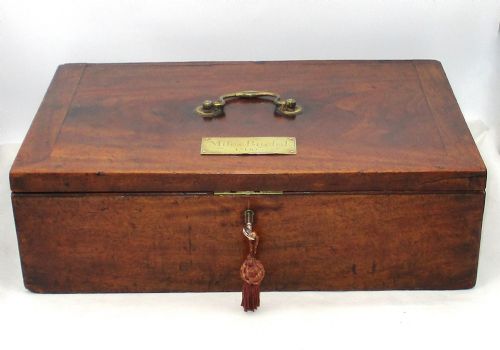
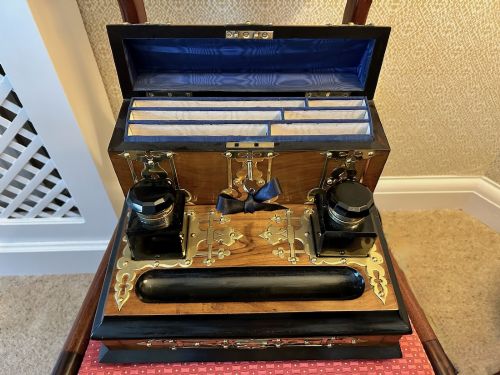
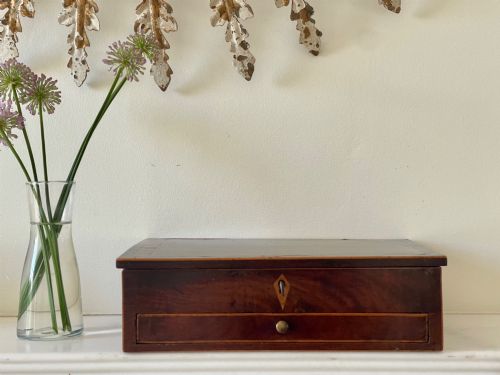
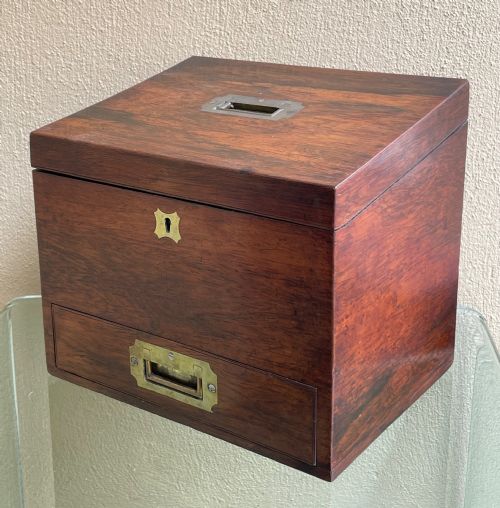
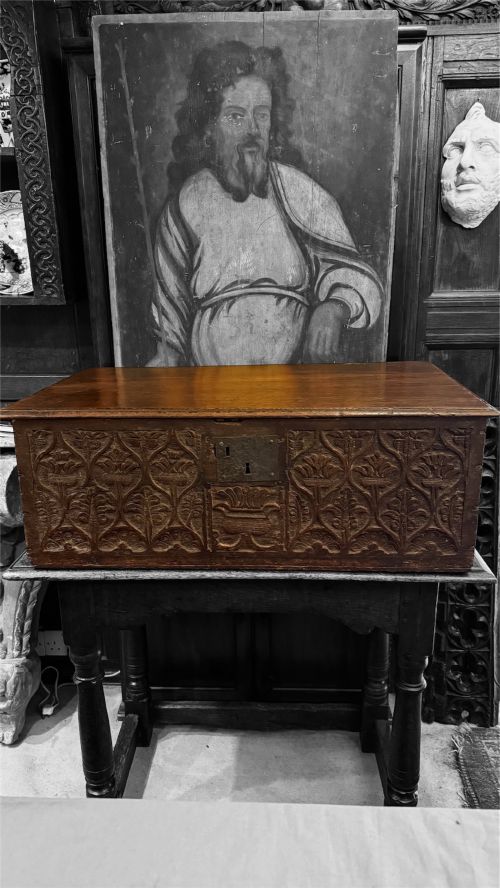
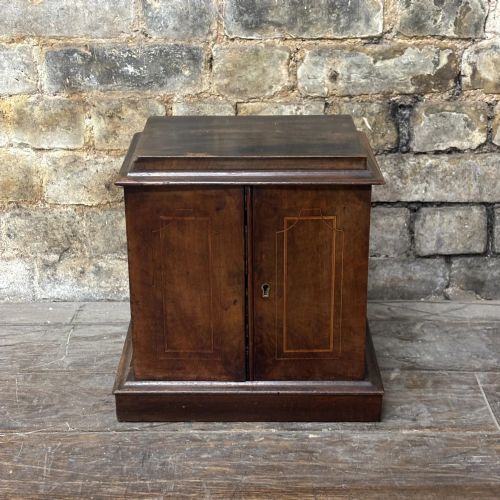
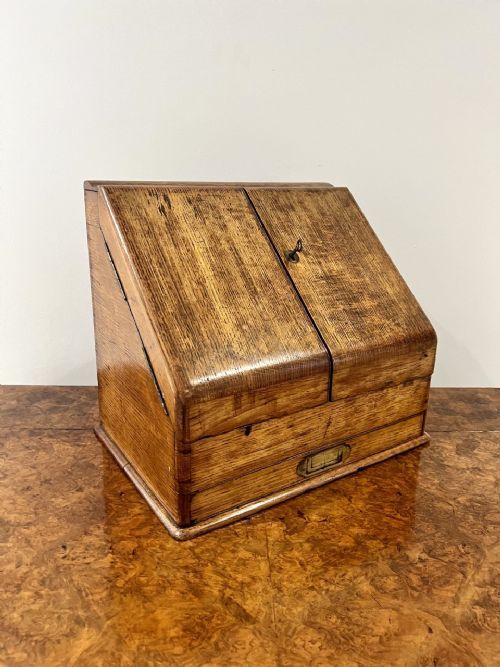
A vintage writing desk box encompasses portable writing slopes, stationery cabinets, document chests and fitted desk boxes produced across several centuries. The selection on this page leans heavily towards Victorian and Georgian mahogany, rosewood and walnut examples, often reinforced with brass bindings for travel.
Makers and manufacturers designed these pieces to hold paper, inkwells, pens and personal documents securely within domestic or military settings. Forms range from simple oak bible boxes and document chests to elaborate campaign writing slopes with secret compartments and folding writing surfaces.
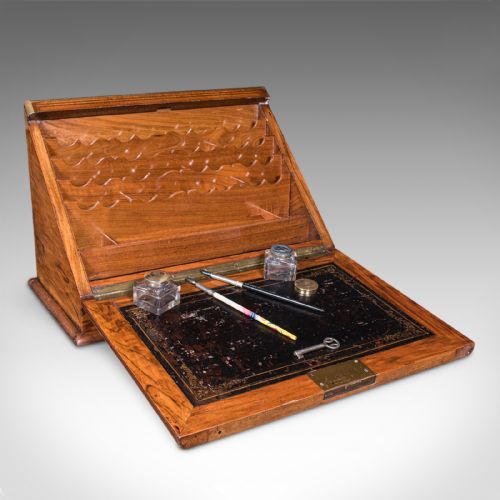
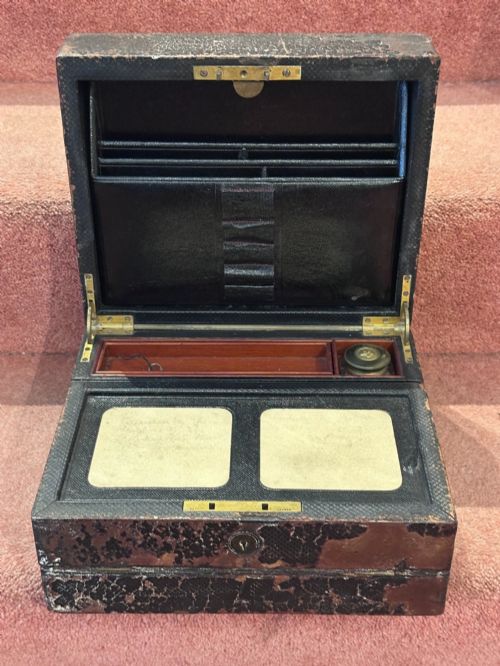
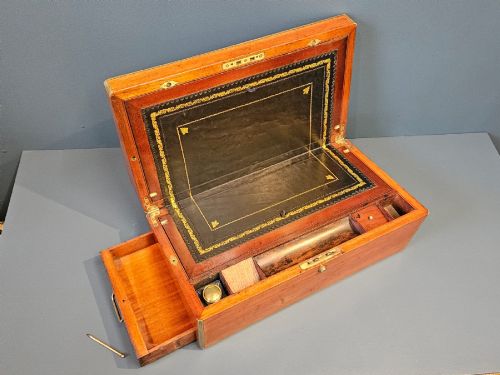
Buyers encounter items originating from English, French, Chinese and Anglo-Indian workshops utilising timbers like mahogany, walnut, oak and rosewood. Interior fittings frequently include tooled leather writing surfaces, glass inkwells and small storage compartments for stamps and seals.
Materials and construction methods
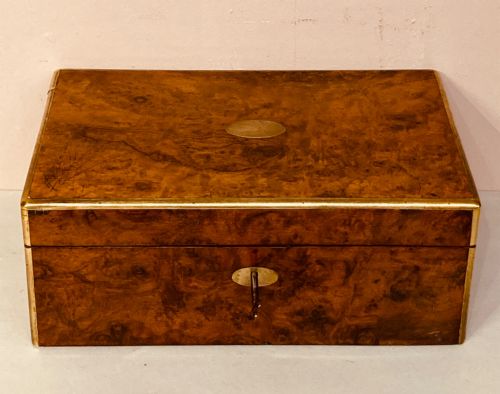
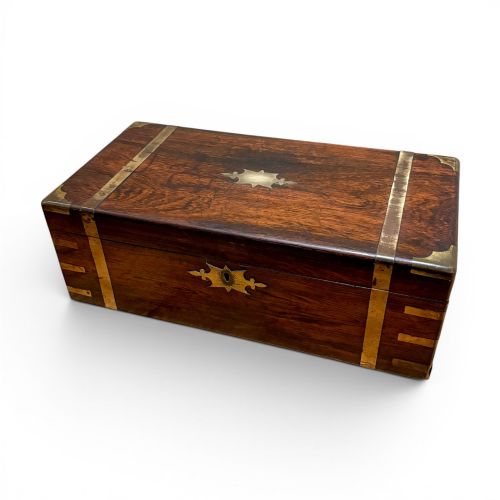
Cabinet makers built these pieces using dense hardwoods such as mahogany, rosewood, oak and walnut, occasionally selecting burr veneers or flame mahogany for decorative lids. Brass corners, straps and inlay reinforced the edges and joints against the rigours of travel, particularly on campaign pieces.
Interiors often incorporate secondary timbers alongside precision-cut pigeonholes, secret drawers and pen trays operated by hidden spring mechanisms or small levers. Surface finishes relied on traditional polishes that highlighted the natural grain and colour of the wood without synthetic varnishes.
Several boxes contain concealed secret drawers requiring a sequence of hidden wooden triggers to release.
Factors influencing quality
Quality rests upon the selection of timber figures, such as flame mahogany or burr walnut, and the precision of the brass corners, hinges and flush-fitting campaign handles. Superior pieces retain matching internal stationery dividers, original glass inkwells and functioning locks with working keys.
The complexity of the interior joinery distinguishes standard utility boxes from high-tier examples equipped with secret compartments, spring-loaded drawers and fitted leather slopes. Construction integrity is evident in the tightness of the dovetail joints and the smooth operation of folding writing surfaces.
The Vintage Writing Desk Box Glossary
- Writing slope
- A portable box with a hinged sloping lid that folds down to provide an angled surface for writing letters. Interiors typically contain spaces for paper, pens and inkwells.
- Campaign box
- A sturdy portable chest or writing desk designed for military officers on the move, distinguished by brass corner brackets and flush recessed handles. These pieces prioritised structural durability during transport.
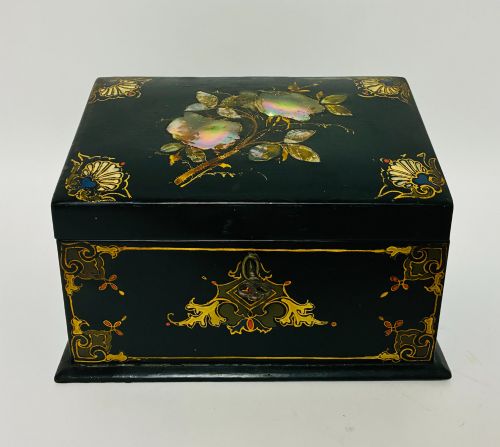
- Papier mache
- A composite material made from paper pulp or layers of paper mixed with glue and resin, then lacquered and decorated. Victorian stationers utilised this for lightweight decorative boxes.
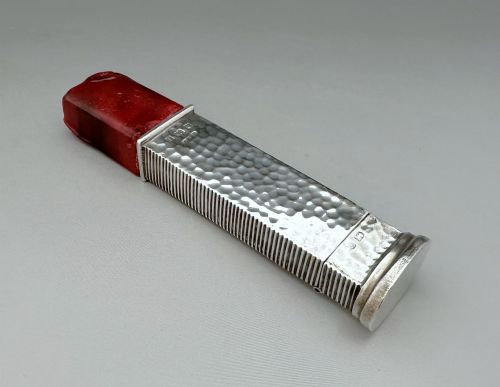
- Vesta case
- A small pocket-sized container manufactured to hold matches, often fashioned from silver or mixed metals. They frequently appear alongside desk accessories and writing sets.
- Stationery cabinet
- An upright desk accessory featuring a fall-front or doors enclosing vertical slots and compartments for paper and envelopes. These pieces became popular during the Victorian and Edwardian periods.
Vintage Writing Desk Box: Frequently Asked Questions
What is a campaign writing slope?
A campaign writing slope is a portable desk encased in hardwood and fitted with brass corners and recessed handles for military travel. The hinged lid opens to form a dual-plane writing surface lined with leather.
Inside, compartments secure inkwells, nibs, and stationery while locking mechanisms protect sensitive documents. These units fold compactly into a single rectangular box when transport is required.
How do I use a vintage writing box today?
These boxes function effectively as decorative storage containers for modern stationery, fountain pens, and correspondence items on a contemporary desk. The internal compartments organise small desk accessories while keeping surfaces clear of clutter.
Opening the folding lid of a writing slope provides a stable, inclined plane suitable for writing letters or journaling by hand. Many collectors also utilise document boxes for storing important papers and photographs securely.
How can I tell a Georgian box from a Victorian one?
Georgian boxes generally exhibit restrained lines, simpler brass hardware, and secondary timbers like oak or pine inside mahogany frames. The proportions focus on structural clarity and refined timber selection without excessive ornamentation.
Victorian pieces often introduce more complex interior mechanisms, secret drawers, papier mache finishes, and heavier brass bound edges. Manufacturers during the Victorian era produced a wider variety of specialised stationery cabinets and brass-inlaid boxes.