



English Desk Box
An english antique desk box brings centuries of fitted stationery storage and correspondence organisation directly to the modern writing table.
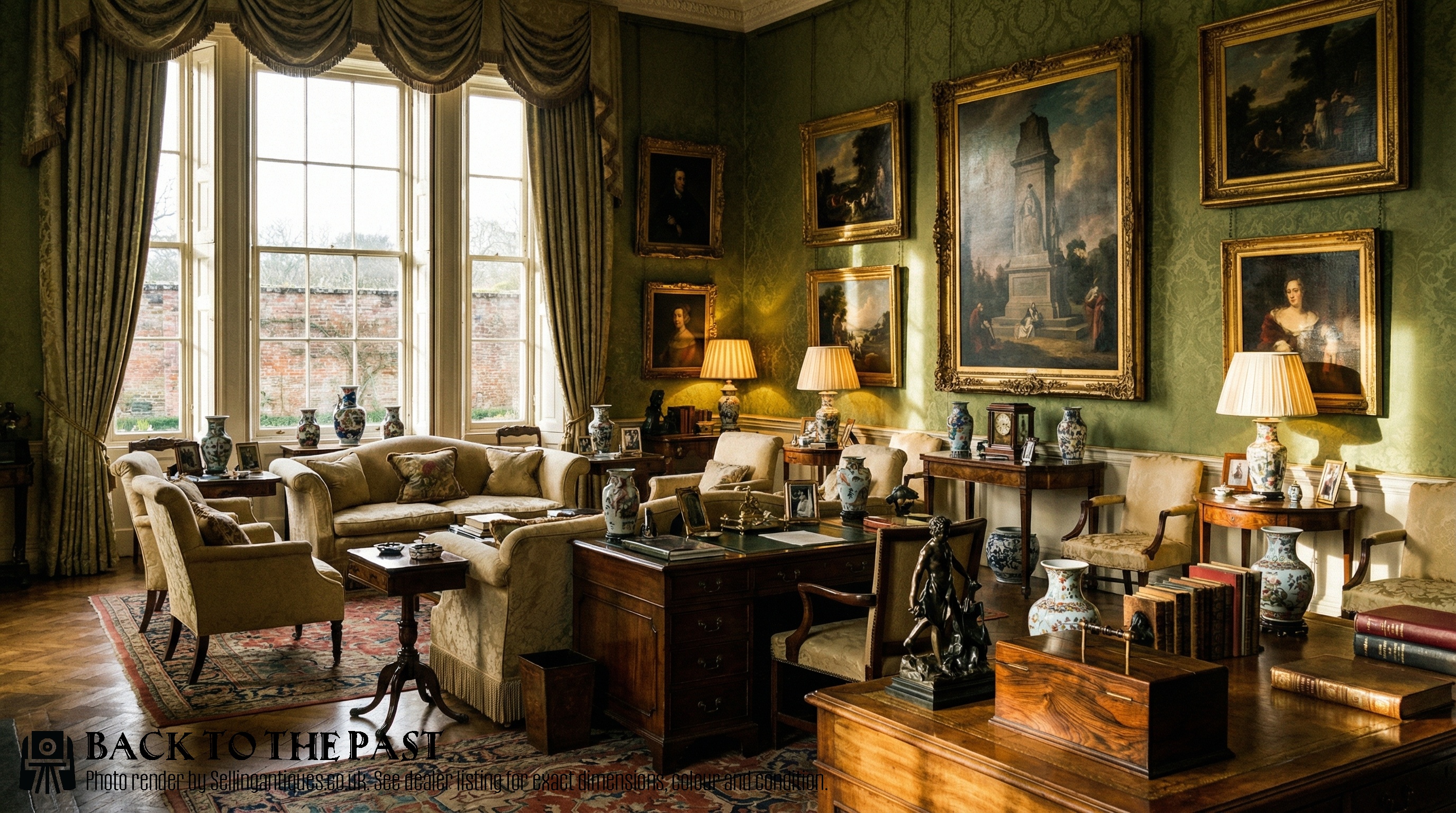
English Desk Box
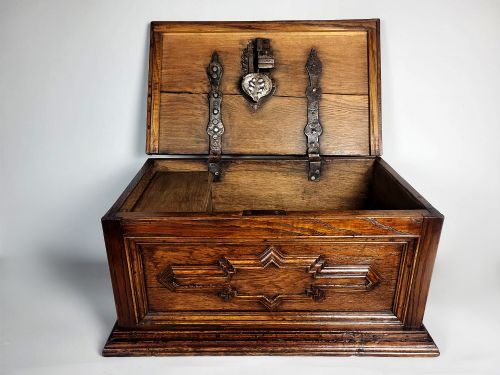
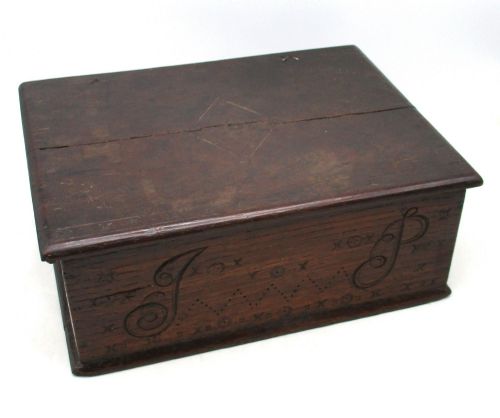
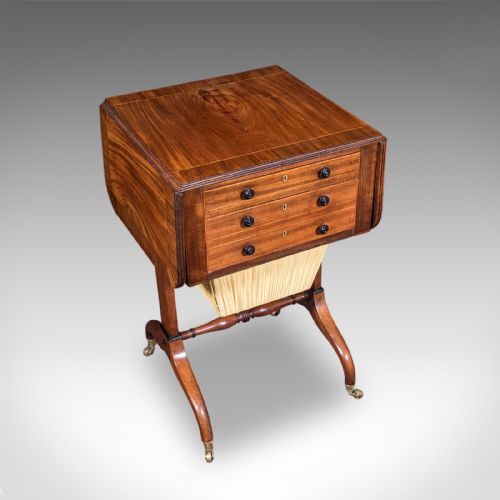
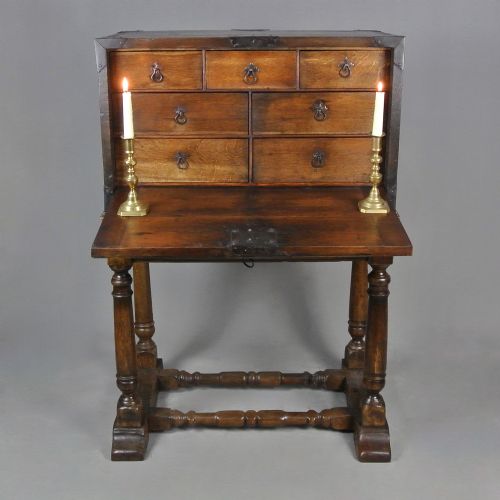
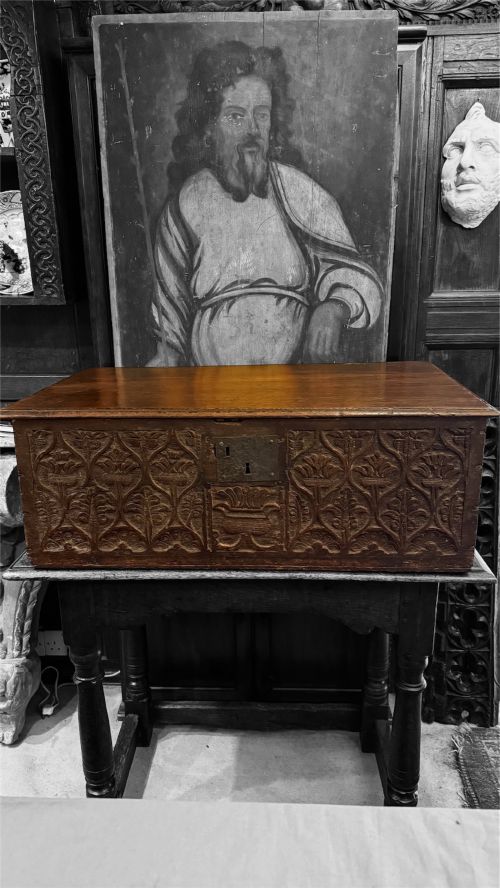
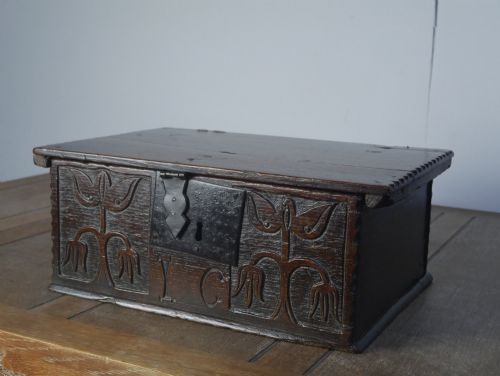
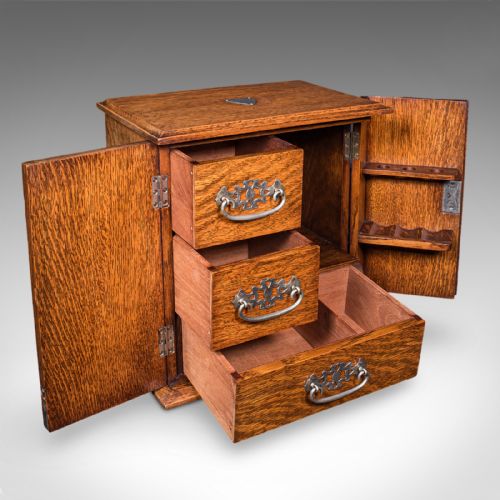
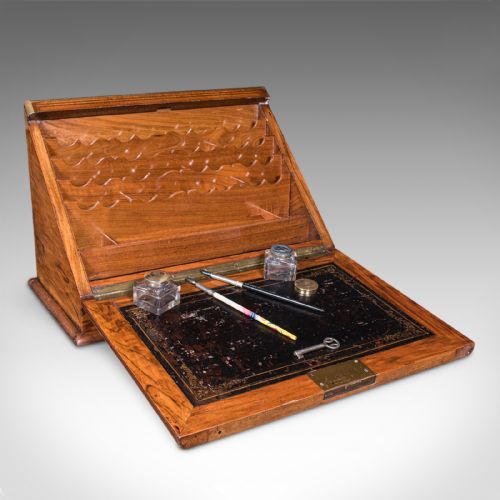
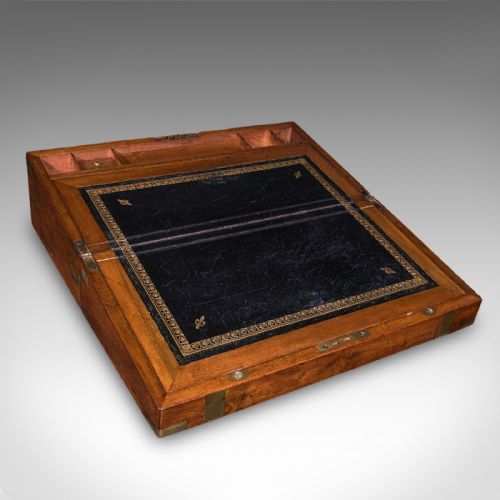
An english antique desk box comprises a portable or tabletop container designed specifically to hold letters, paper, and writing implements securely. These pieces range from seventeenth-century oak document chests and Bible boxes to nineteenth-century walnut and rosewood writing slopes. Buyers encounter everything from simple timber deed boxes to elaborate brass-bound campaign cases and fitted stationery tidies.
Early examples originate in solid oak, often featuring carved panels and complex iron locks suited to safeguarding legal papers or religious texts. Later nineteenth-century versions utilise exotic veneers such as coromandel, burr walnut, and satinwood, frequently inlaid with brass or Tunbridge ware. The interior arrangements alter accordingly, shifting from open compartments to velvet-lined slopes with dedicated slots for inkwells and nibs.
How They Were Made
Joiners and cabinetmakers constructed these boxes using a variety of native and imported timbers, employing dovetailed joints for stability on fine nineteenth-century specimens and heavy pegged framing on seventeenth-century oak pieces. Surfaces received finishes of wax or polish over carefully selected veneers like mahogany, walnut, and rosewood. Metalwork played an essential structural and decorative role, with brass carrying handles, escutcheons, strapwork, and complex steel locks fitted flush into the wood.
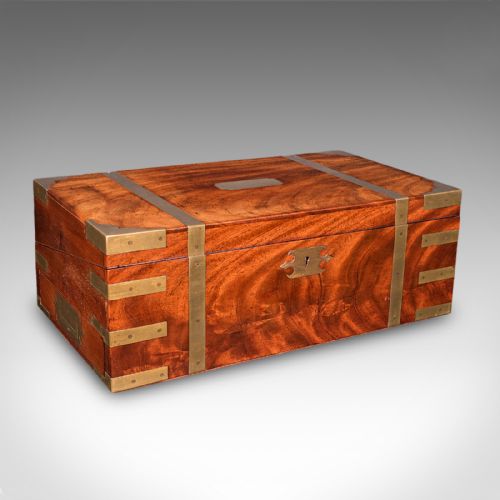
Specialised decorative techniques appear across different eras, including intricate pokerwork, mother-of-pearl inlay, and painted papier-mâché. Campaign styles integrated recessed brass corners and flush handles to withstand travel, while ecclesiastical boxes displayed carved strapwork and geometric patterns. Interior compartments utilised secondary timbers such as cedar or pine, lined with leather or velvet for writing surfaces.
Some nineteenth-century writing boxes feature hidden spring-loaded secret drawers that release only when the correct internal peg is pressed.
What Varies In Quality
The standard of an english antique desk box depends heavily on the selection of timber and the precision of its construction. Superior pieces display book-matched veneers, tight dovetail joints, and substantial brass hardware rather than plated substitutes. The complexity and originality of internal fittings - such as secret drawers, working inkwells, and folding slope mechanisms - distinguish finer workshop productions from simpler utilitarian containers.
Originality of components heavily influences the integrity of each piece, including matching keys, undamaged locks, and untouched surface patination. Hand-carved details on seventeenth-century oak boxes show varying degrees of depth and competency among regional makers. Similarly, the delicacy of Tunbridge ware mosaics or inlaid brass stringing reflects the skill level applied during manufacture.
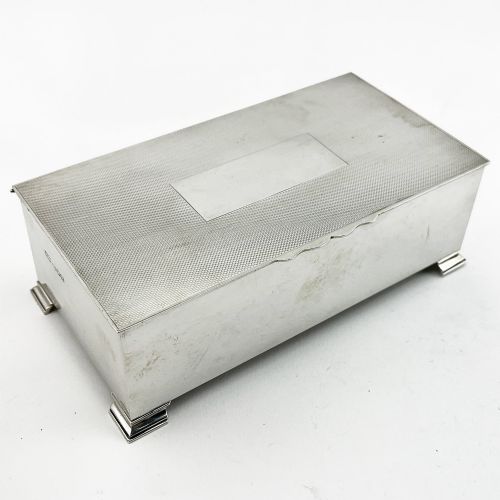
Mappin & Webb·Vickery
The English Desk Box Glossary
- Writing slope
- A portable box featuring a hinged, sloping writing surface that typically folds down to reveal internal storage compartments for paper and correspondence. These pieces were standard writing furniture before the widespread use of fixed stationary desks.
- Bible box
- A small wooden chest historically used to store family Bibles, legal documents, or deeds, usually featuring a sloping lid to double as a reading desk. They date predominantly from the seventeenth and eighteenth centuries in solid oak.
- Campaign box
- A sturdy portable desk or chest designed for military officers and travellers, characterised by flush-fitting brass handles, reinforced corners, and robust construction. These boxes dismantled or folded to withstand rigorous transport.
- Tunbridge ware
- A meticulous form of woodwork featuring mosaic decoration made from thousands of tiny tinted wood blocks to create geometric or pictorial scenes. It appears frequently on Victorian desk boxes and stationery cases.
- Escutcheon
- A protective plate surrounding a keyhole, usually fashioned from brass, bone, or ivory, designed to prevent the surrounding wood from wearing down with repeated use.
English Desk Box: Frequently Asked Questions
How do I date an early oak Bible box?
Dating relies on examining the construction methods, such as hand-cut dovetails, pegged mortise and tenon joints, and the style of surface carving. Seventeenth-century examples often display strapwork, initials, or dated inscriptions directly into the solid oak panels.
Ironwork also provides clues, as forged steel locks and H-hinges are characteristic of seventeenth and early eighteenth-century vernacular joinery.
Were nineteenth-century desk boxes used for travel?
Many nineteenth-century boxes, particularly campaign styles outfitted with brass mounts and recessed handles, were built for officers and colonial administrators on the move. Other tabletop versions made from delicate coromandel or burr walnut remained stationary in drawing rooms and libraries.
The presence of heavy brass carrying hardware usually indicates a portable design intended for shifting between locations.
How should I care for a veneer desk box?
Maintenance requires keeping the piece away from direct sunlight and steady heat sources to prevent the nineteenth-century veneers from drying out or lifting. Applying a microcrystalline wax periodically helps nourish the polished wood surfaces without building up heavy residues.
Care should also be taken with internal leather or velvet writing surfaces, avoiding excessive moisture during cleaning.