
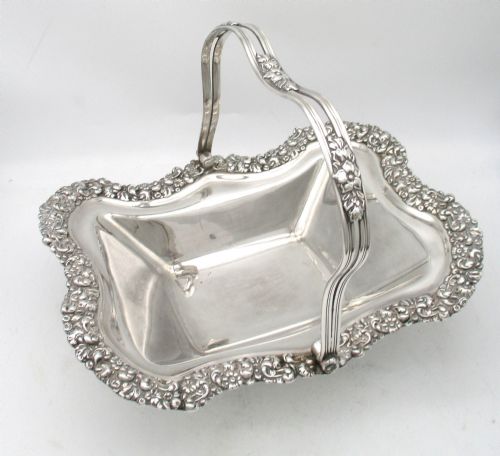


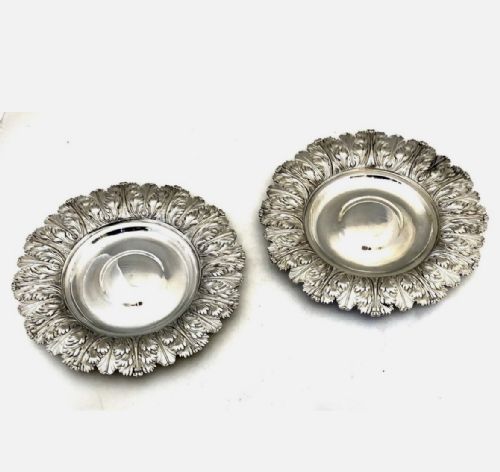
Regency Silver Dish
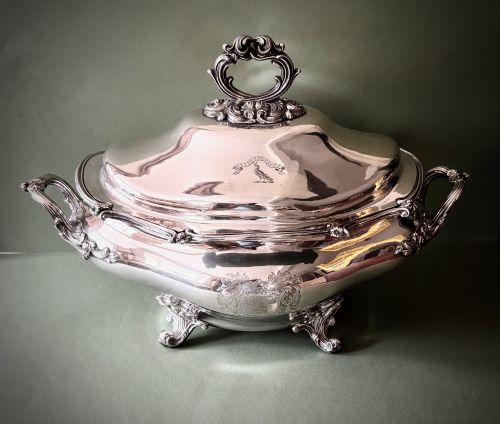
These regency silver dish examples range from tureens to warming dishes, offering the heavy plate and sterling quality required for formal dining tables.
Regency Silver Dish
When you search for a regency silver dish, you encounter substantial dining table forms produced during the nineteenth century, Georgian, and early Victorian periods.
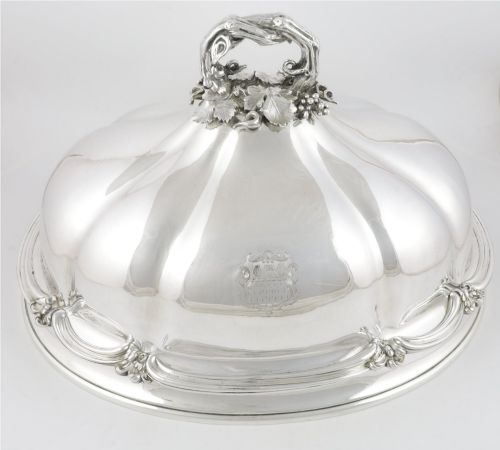
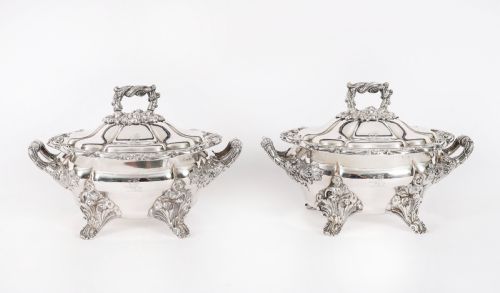
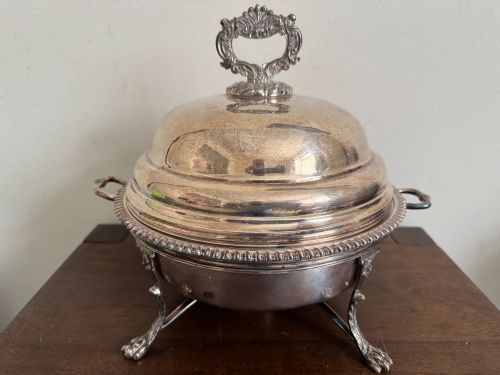
The selections on this page lean heavily towards Old Sheffield Plate and sterling silver, appearing as meat domes, tureens, entree dishes, and warming plates.
Originating predominantly from British workshops, alongside notable Indian Colonial pieces, these items served the elaborate dining rituals of their era.
How they were made
Makers utilised sterling silver and Old Sheffield Plate, a method fusing a thin sheet of silver onto a heavier copper core, often complemented by gold vermeil accents.
Silversmiths employed techniques such as wirework, stamping, and casting to produce shaped rims, handles, and applied crests on heavy base metal structures.
One hefty meat dome proudly bears the provenance of the Duke of Somerset.
What varies in quality
The distinction between ordinary and superior pieces rests on the crispness of applied crests, the weight of the silver or plate, and the integrity of the fused copper base.
Master silversmiths achieved better proportions, cleaner junctions on handles and feet, and more refined engraved decoration that elevates the presence of the table service.
Roberts Cadman·Creswick·Paul Storr·Boulton·Walker Knowles·Matthew Linwood·Samuel Hennell·Dan Holy
The Regency Silver Dish Glossary
- Old Sheffield Plate
- A fused bilayer metal formed by melting a sheet of silver onto a copper ingot before rolling them into sheets together. This technique preceded modern electroplating.
- Vermeil
- Sterling silver gilt with a thin layer of gold on the surface. It provides the rich appearance of solid gold while maintaining structural strength.
- Entree dish
- A covered serving vessel designed for the second course of a formal meal. Pairs of these items often fit onto specialised warming stands.
- Meat dome
- A large, high-domed cover used to keep joints of meat warm on the table. They frequently bear engraved family crests and sturdy handles.
Regency Silver Dish: Frequently Asked Questions
What is Old Sheffield Plate?
Old Sheffield Plate is an early form of silver plating created by fusing silver to a copper core through heat and pressure rather than electricity. This creates a durable material where the copper may occasionally show at high points or edges through wear.
Items made this way possess a distinct weight and warmth that differentiates them from later electroplated wares. The technique was largely superseded by nineteenth-century plating innovations.
How were warming dishes used?
Warming dishes featured a lower compartment designed to hold hot water or fit above a lampstand. This kept food warm through long formal dining courses.
They formed an essential part of wealthy household tableware during the Georgian and Regency periods. The water compartments often include small plugs or side handles for filling.
How do I care for silver plate?
These pieces require gentle cleaning with non-abrasive silver polishes to protect the thin silver layer, particularly on Old Sheffield Plate where excessive rubbing exposes the base metal. Soft cloths and mild soapy water suffice for routine maintenance.
Store them in dry environments away from direct sunlight to minimise tarnishing. Avoid harsh chemical dips that strip the character from engraved crests and details.
How can I tell the period?
Dating relies on hallmarks stamped on sterling silver pieces, indicating the assay office and year, alongside stylistic clues such as neoclassical motifs or heavier Victorian ornamentation. Maker marks provide further evidence when traced to active working dates.
Construction methods also help, as fused plate techniques and hand-raised forms give way to machine-stamping later in the nineteenth century.