


Antique Pen Tray
An antique pen tray organises the desktop while bringing fine brass, silver, or carved wood into daily writing routines.
Antique Pen Tray
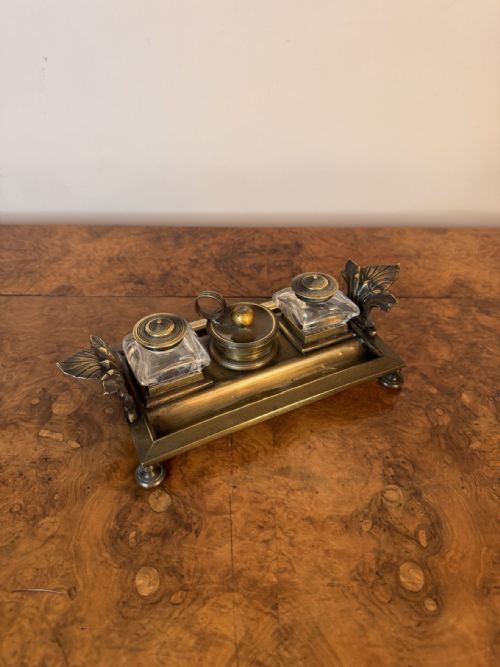
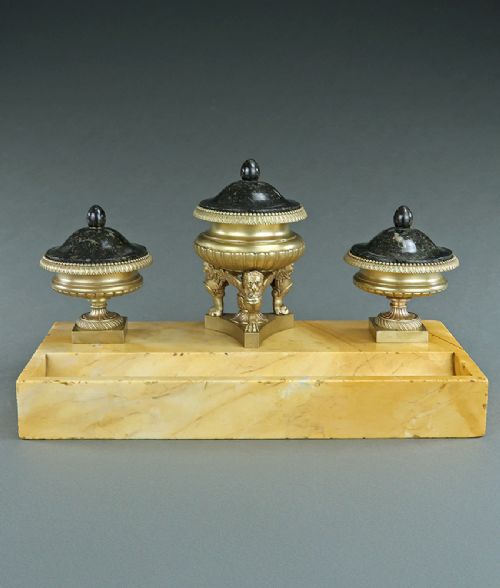
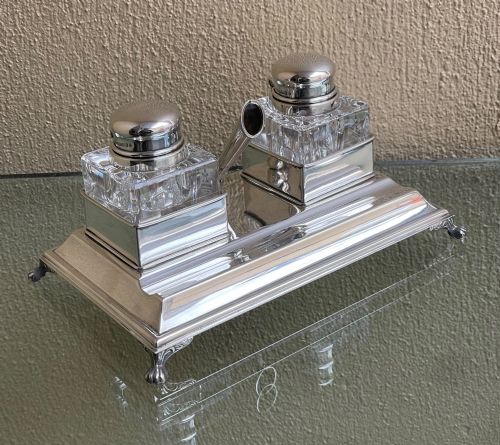
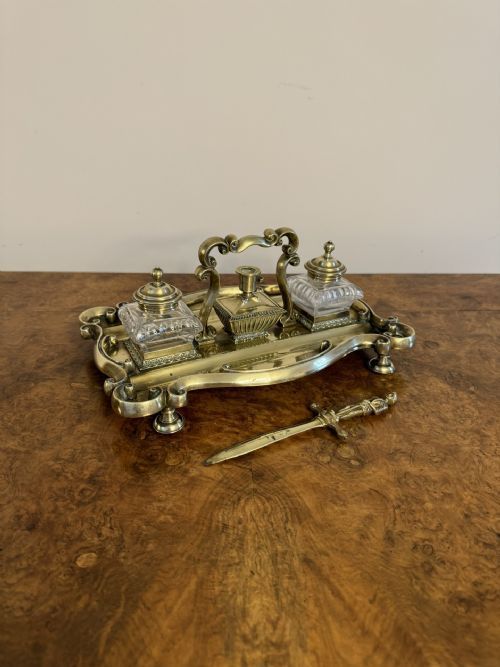
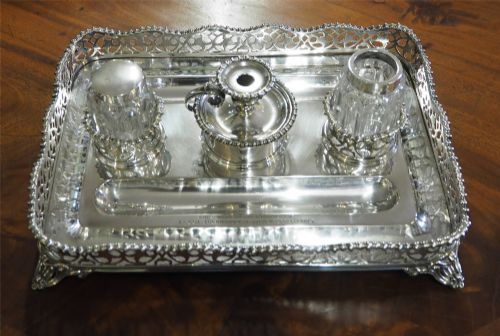
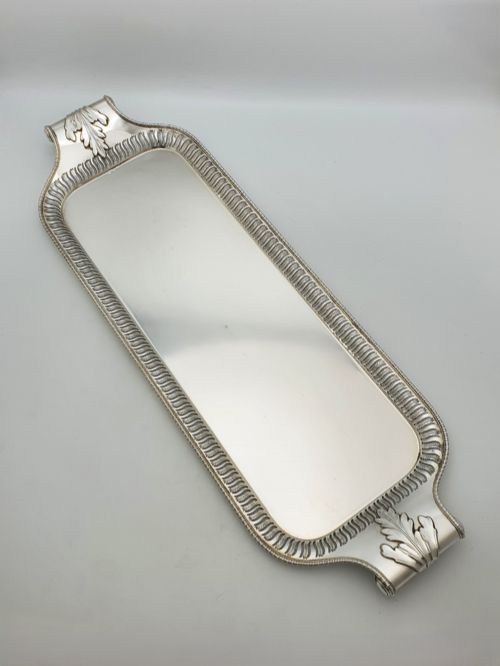
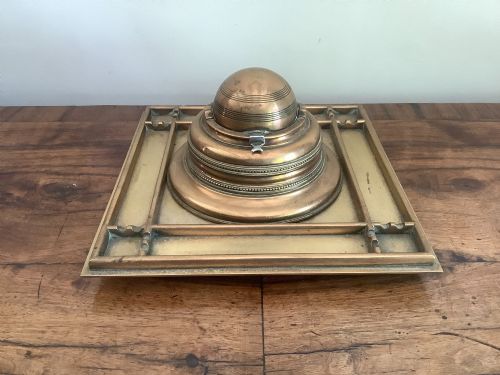
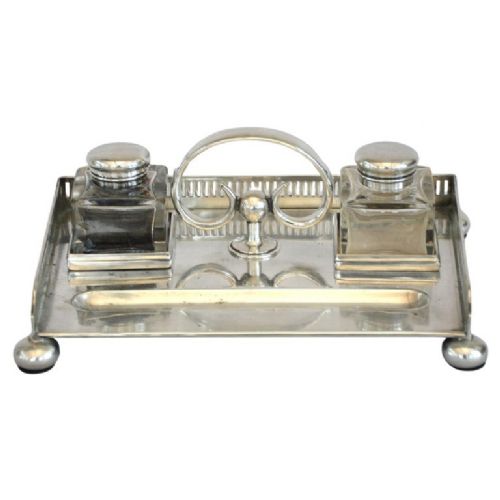
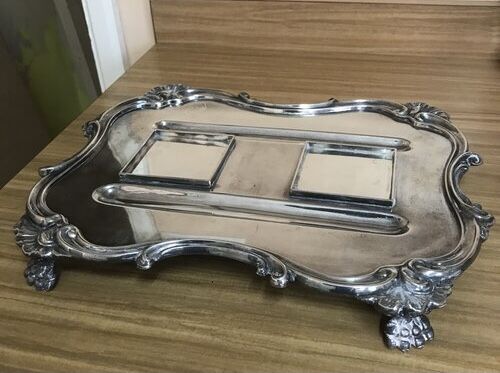
An antique pen tray serves as a shallow trough designed to hold writing instruments on a writing desk or table. These desk accessories appear in singular trough forms or integrated into larger inkstands alongside inkwells and stamp boxes.
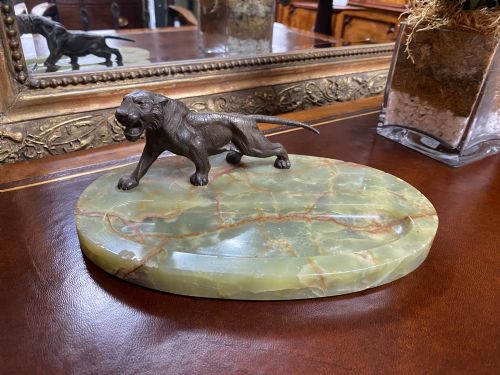
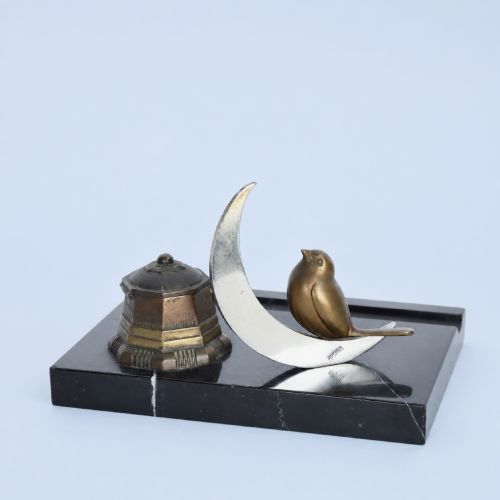
Pieces on this page emerge from the nineteenth and early twentieth centuries, spanning Victorian, Edwardian, and Art Nouveau periods. Collectors encounter everything from plain sterling silver dishes to ornate bronze models featuring animals or figural motifs.
Origin points range from English silversmith workshops to continental European foundries and artisanal centres like Tunbridge Wells. Domestic forms often match larger desk suites, while smaller dishes function independently as standalone desk tidies.
Materials and construction methods
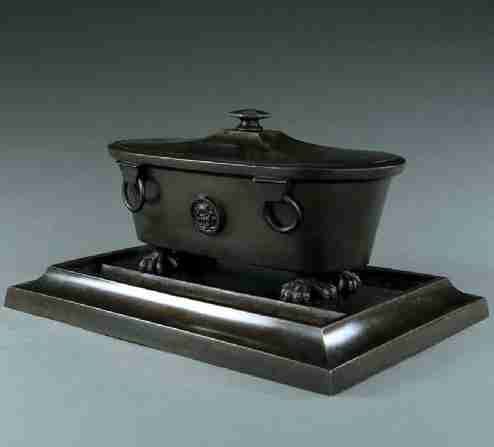
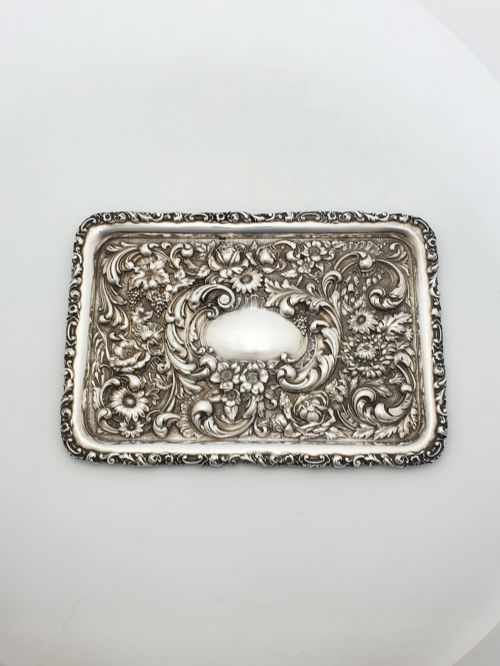
Metalworking dominates production, utilising sterling silver, silver plate, cast brass, bronze, and pewter shaped through casting, repoussé, or piercing. Silversmiths hammered and chased precious metals, while foundries cast bronze and brass components with fine surface detail.
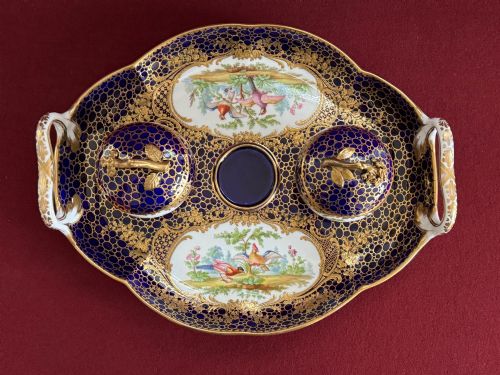
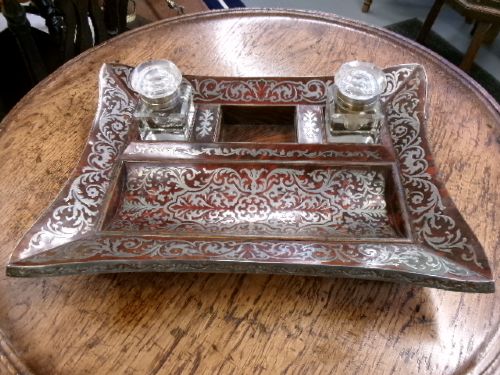
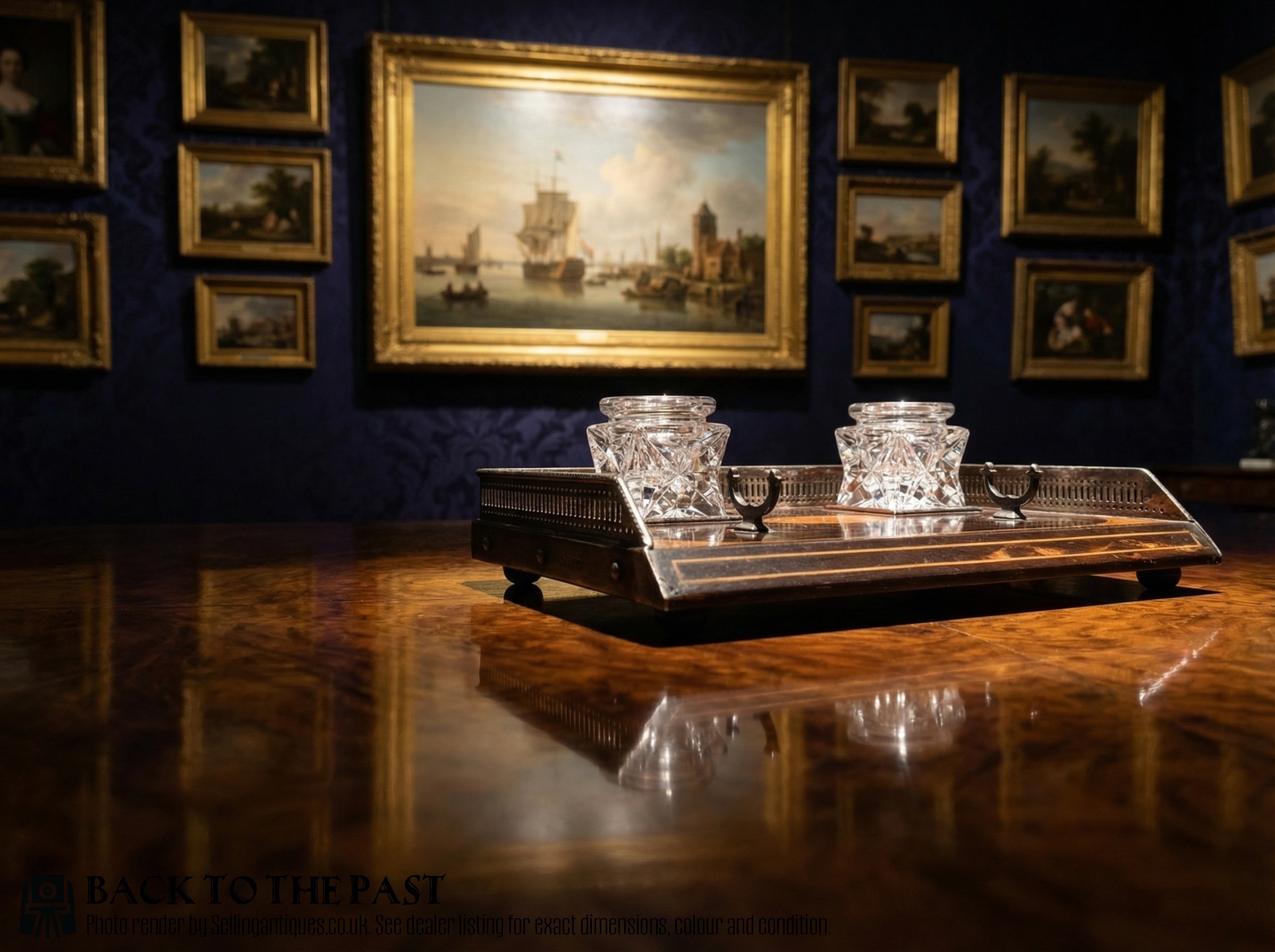
Cabinetmakers utilised exotic timbers like coromandel, walnut, fruitwood, and oak, frequently incorporating marquetry, tortoiseshell inlay, or boulle work. Ceramic and glass variants employ cut crystal, Dutch Delft faience, and porcelain painted with floral or figural scenes.
Antique Pen Tray Retail Price Guide 2026
Typical asking prices for pen tray among the pieces listed under this phrase on Sellingantiques today, from the lower quarter to the upper quarter. They describe what is for sale here now, not the wider market.
The archive records pieces spanning the Victorian, Edwardian, Regency, Art Nouveau, Art Deco, and Black Forest styles.
Markers of distinction
Quality rests upon the crispness of the casting, the precision of metal chasing, and the clarity of hallmarks or maker stamps. Superior examples display depth in repoussé floral work or finely rendered sculptural elements such as birds, hounds, and cherubs.
Material selection and secondary ornamentation dictate overall grade, separating simple turned wooden troughs from complex pieces featuring inlaid brass, mother-of-pearl, or hand-painted porcelain. Integrated assemblies with matching inkwells and lids retain higher desirability than single displaced components.
Elkington·Walker And Hall·Creswick·Walker Knowles·Robert Garrard·Asprey Of London·Peter and Anne Bateman·Barnard·John Grinsell·Vickery
The Antique Pen Tray Glossary
- Repoussé
- Metalworking technique where the design is hammered into relief from the reverse side. This process creates tactile floral and scroll motifs across silver and brass surfaces.
- Boulle work
- Elaborate marquetry style using tortoiseshell and brass inlaid into wooden carcases. It appears frequently on mid-nineteenth-century desk stands.
- Champlevé
- Enamelling method where troughs are gouged into a metal surface and filled with vitreous enamel before firing. It adds vibrant colour to French desk trays.
- Snuffer tray
- Narrow rectangular dish originally designed for extinguishing candle wicks but frequently utilised as a pen tray. Georgian and Victorian examples often feature decorative borders.
- Ormolu
- Gilt bronze decoration applied to decorative objects and desk accessories during the nineteenth century. It provides a bright golden finish to cast metal mounts.
Antique Pen Tray: Frequently Asked Questions
How were antique pen trays used?
These trays rested on writing tables to keep dip pens from rolling onto the floor and staining the surface. They held quill pens and steel nibs close to the inkwell during correspondence.
In larger desk sets, they formed part of a coordinated suite that included blotters, letter racks, and candlesticks. Wealthy writers utilised them in studies, libraries, and boardrooms across the nineteenth century.
How do I clean tarnished silver trays?
Sterling silver and silver-plated trays require gentle treatment with a specialist cloth to remove tarnish without abrading the metal. Avoid harsh chemical dips that strip away the original patina accumulated over decades.
Keep pieces away from damp environments and rubber bands, which accelerate corrosion on silver surfaces. Regular dusting with a soft brush preserves intricate repoussé details.
Can I use these for modern pens?
Antique trays accommodate modern fountain pens, rollerballs, and pencils just as easily as nineteenth-century dip pens. Their shallow troughs keep everyday writing implements tidy on a modern desk.
Care should be taken with heavy metal pens on delicate tortoiseshell or glass surfaces to prevent scratching. Placing a thin felt pad inside the tray protects vulnerable antique materials.