




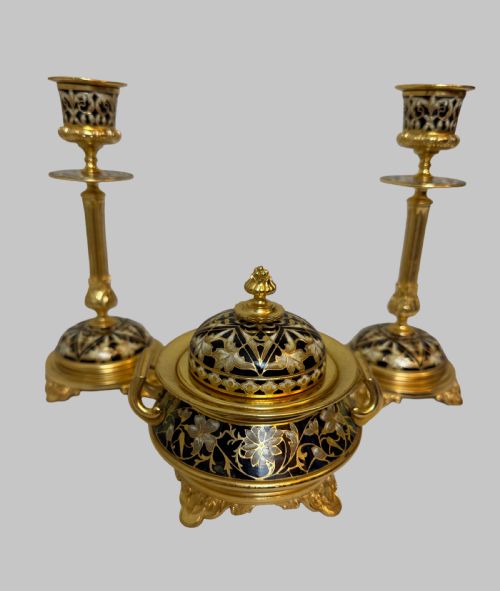
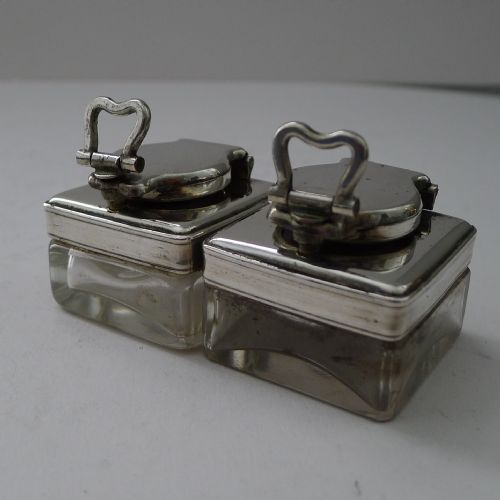


19th Century Inkwell
A 19th century inkwell brings tangible weight to a desk, offering practical ink containment alongside miniature sculpture or cabinet-maker craft.
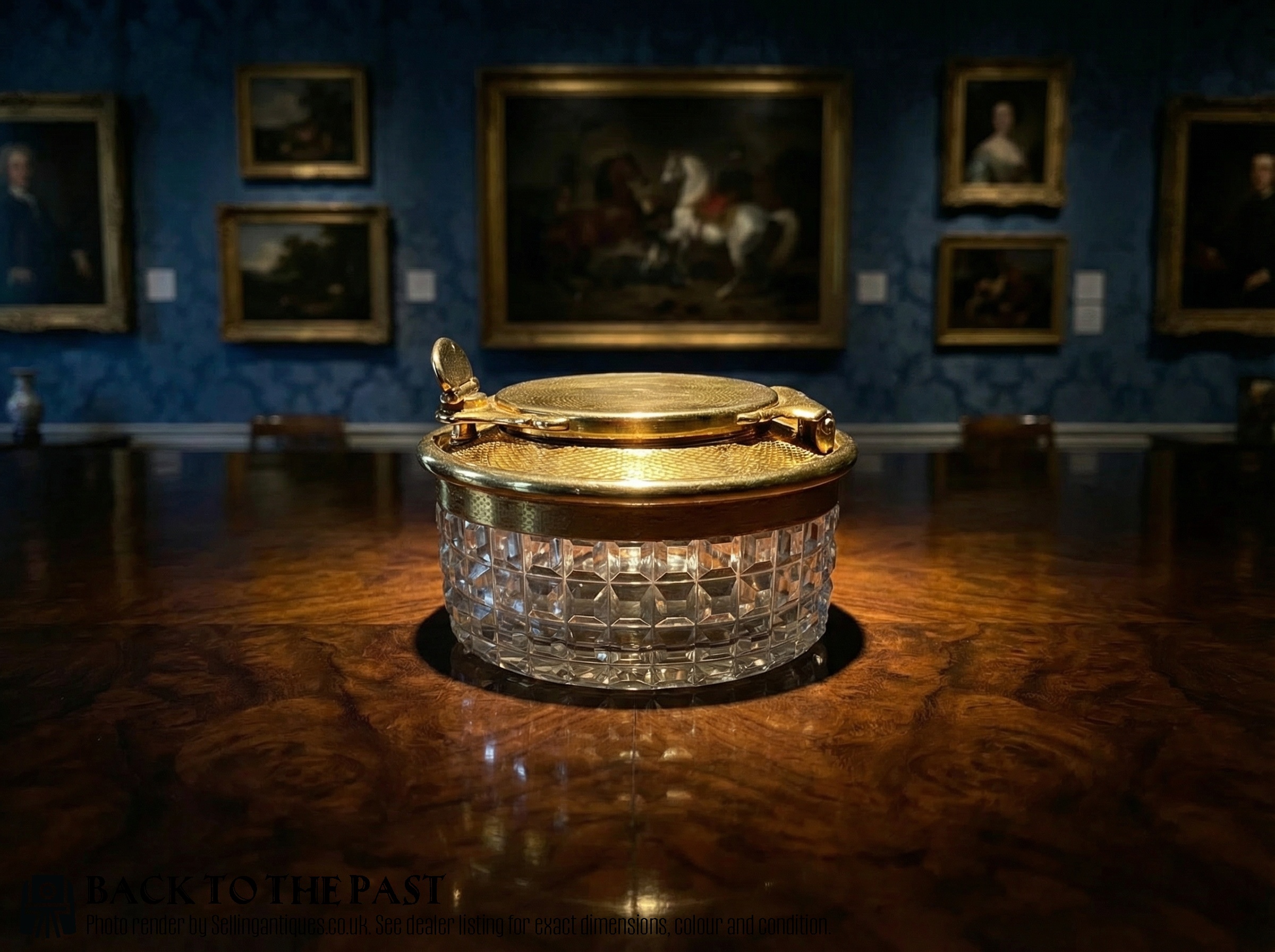
19th Century Inkwell
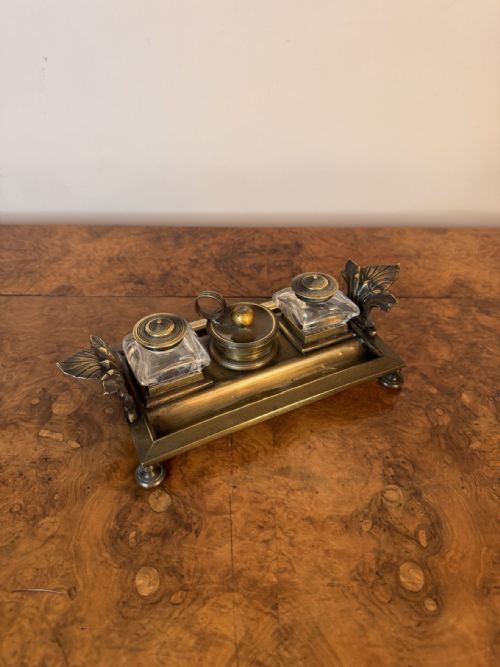
A 19th century inkwell encompasses desk accessories designed to hold liquid ink alongside pens, ranging from simple glass inserts to elaborate stands featuring multiple ink receptacles, pounce pots, and pen trays. This page presents pieces originating from Regency, Victorian, and French Empire periods, reflecting both domestic writing habits and grand continental styling.
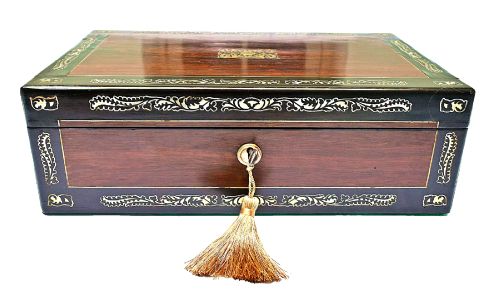
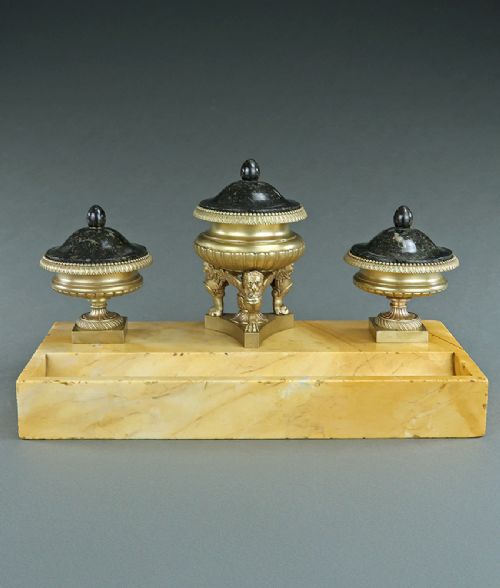
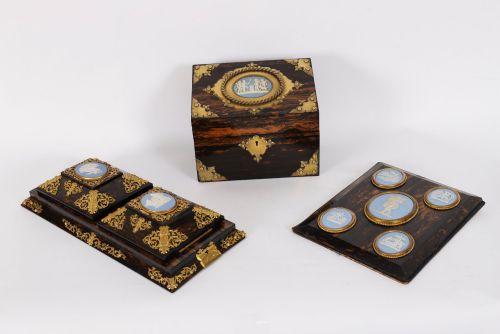
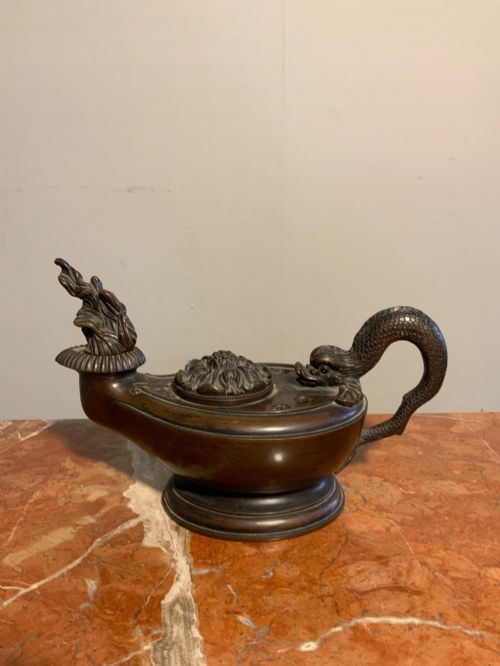
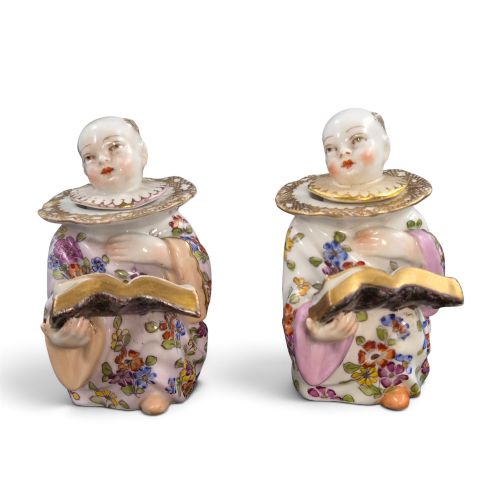
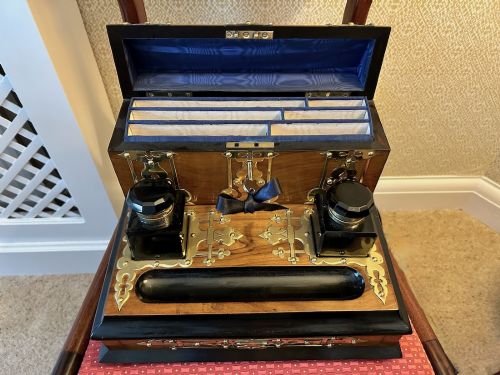
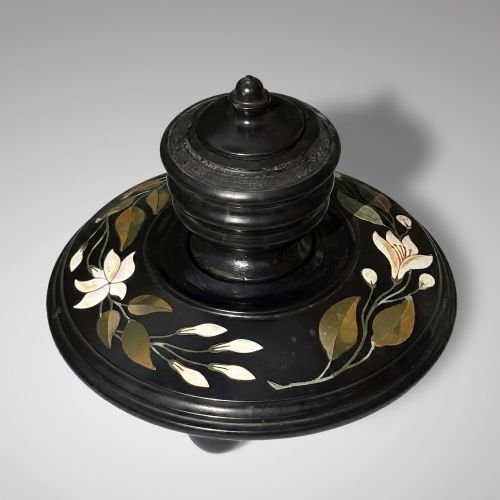
The objects take many forms, including single lidded pots, substantial inkstands with marble bases, travelling inkwells for luggage, and novelty designs carved to resemble animals or architectural models. Walnut, brass, bronze, porcelain, and glass dominate the selection, often arranged as matched desk sets with matching candlestands or stationery compartments.
Buyers seeking these pieces typically encounter items fashioned in specific historical revivals, such as Neoclassical Grand Tour bronzes, Champleve enamels, or intricately carved Black Forest wood subjects. These variations show how writing equipment served as a primary decorative focus for nineteenth-century desks.
What varies in quality
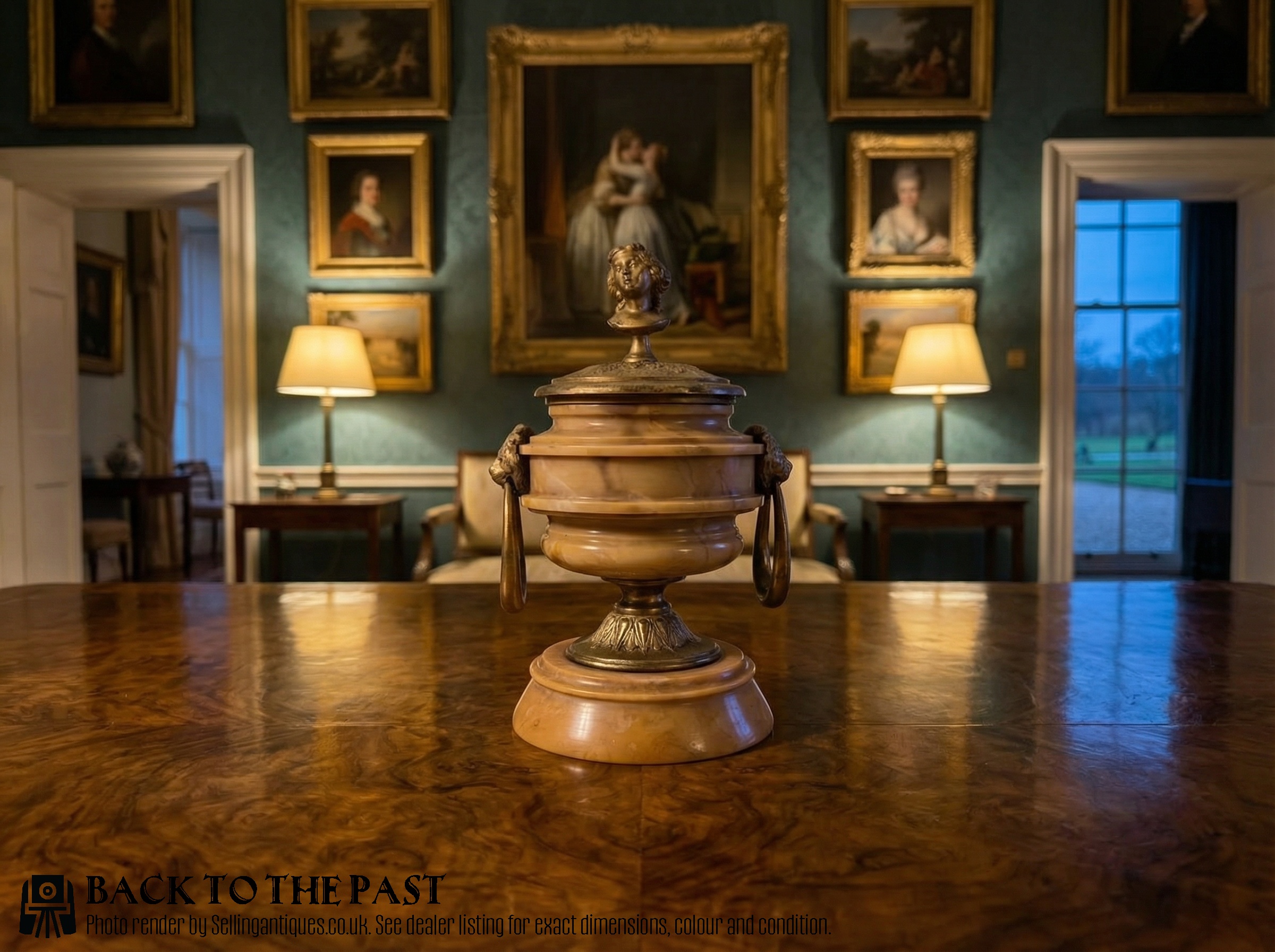
The standard of an inkwell depends upon the crispness of its casting and the precision of its assembly. Finer metalwork displays deep, hand-finished chasing on bronze and ormolu mounts, whereas lesser examples rely on soft, mass-produced cast definition.
Material selection and completeness dictate the standing of a piece within the range. Original glass liners, matching covers, and undamaged stone bases separate complete desk sets from altered or married components.
19th Century Inkwell Retail Price Guide 2026
Typical asking prices for 19th century inkwell among the pieces listed under this phrase on Sellingantiques today, from the lower quarter to the upper quarter. They describe what is for sale here now, not the wider market.
Some nineteenth-century writers dipped their pens into cunningly carved cats, owls, and hidden devils.
Wilkinson & Co·Flight Barr & Barr·Edmé Samson·Robert Garrard·Robert Hennell·Lefebvre of Belgium·Rupert Favell
The 19th Century Inkwell Glossary
- Inkstand
- A complete desk stand incorporating one or more inkwells, pen rests, and sometimes companion items like candlestands. These larger desk accessories anchored the centre of a writing table.
- Pounce pot
- A small perforated shaker used to sprinkle resin powder over paper to dry ink or smooth rough parchment before writing. It frequently accompanies an inkwell on a desk stand.
- Ormolu
- Gilded bronze produced by applying a mercury-gilding technique to cast brass or bronze. This treatment yields a warm, durable metallic finish common on French Empire and Victorian pieces.
- Champlevé
- An enamelling technique where troughs are dug into a metal surface and filled with vitreous enamel before firing. It creates colourful decorative patterns on bronze and gilt metal frames.
- Grand Tour
- A term for souvenirs purchased by travellers visiting classical European sites during the nineteenth century. These items often replicate antique architecture or sculpture in bronze and marble.
19th Century Inkwell: Frequently Asked Questions
What is a travelling inkwell?
A travelling inkwell is a compact, securely lidded container designed to hold ink safely inside luggage or a writing box during transit. These pieces usually feature screw-top glass inserts and tight seals to prevent leaks.
They were essential accessories for nineteenth-century writers on the move, often shaped as small cylinders, leather-clad pouches, or novelty items like Gladstone bags.
How do I clean a brass inkstand?
Brass and bronze stands require careful dusting with a soft brush to protect patination and gilding. Avoid aggressive polishes that strip historical surface finishes and wear away fine chasing.
Glass liners can be removed and washed gently in warm water to clear dried ink residue. Ensure the liner is thoroughly dry before returning it to the metal mount.
Why do some inkwells have sand?
Early writing desks utilised sand or pounce pots rather than blotting paper to dry wet ink. The fine powder absorbed excess liquid from the page to prevent smudging.
These pots share space on inkstands alongside inkwells and pen trays, forming a matched set for correspondence.
How do I identify Regency inkwells?
Regency inkwells often feature clean Neoclassical lines, dark patinated bronzes, and classical architectural motifs inspired by ancient Greece and Rome. Materials like ormolu, cut glass, and fine mahogany predominate in this era.
They emphasise symmetry and restraint compared to the busier ornamentation seen on later Victorian or Napoleon III pieces.