




Antique Glass Inkstand
These antique glass inkstand pieces are functional desk accessories in glass, often mounted in brass or silver, prized for period desk utility.
Antique Glass Inkstand
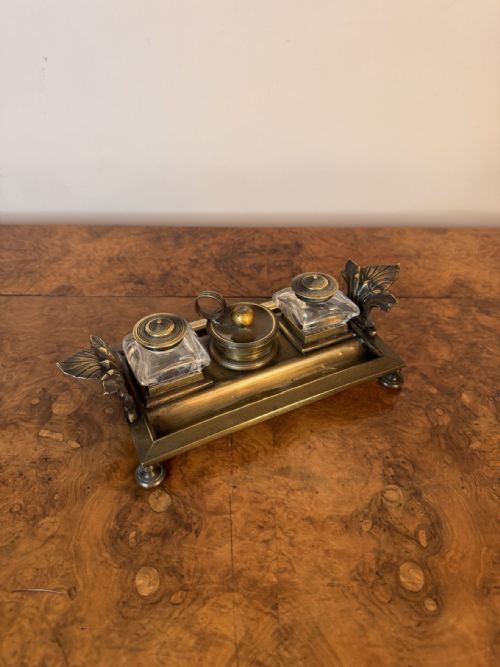
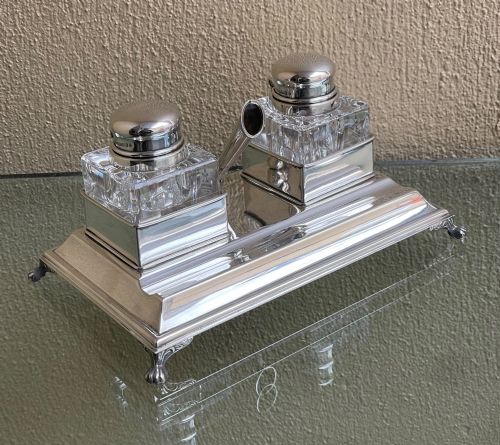
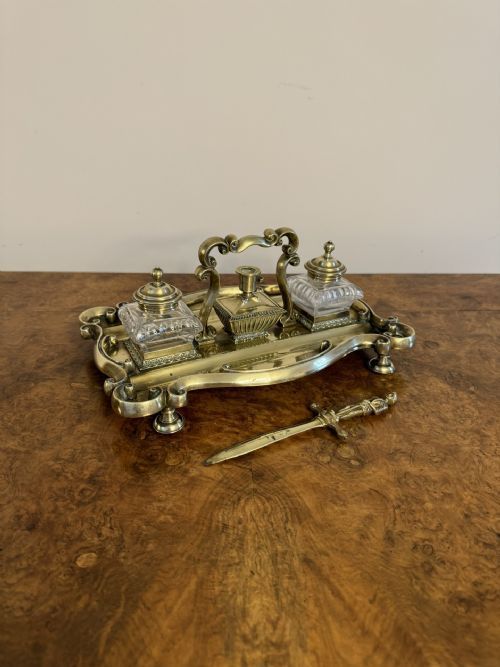
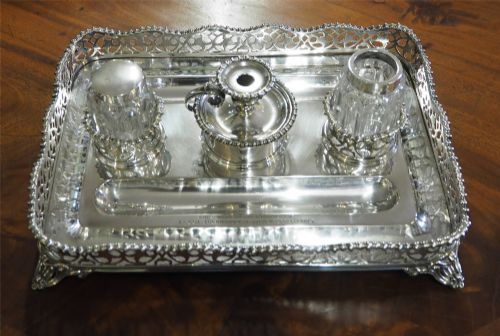
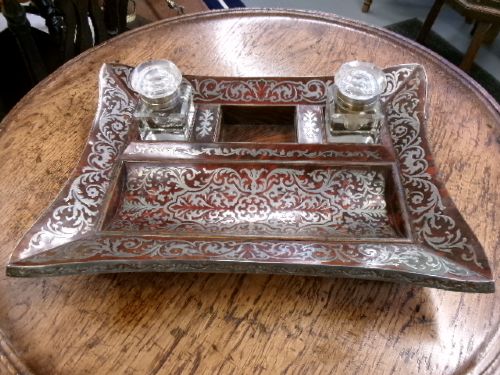
An antique glass inkstand provides a dedicated desk accessory for writing materials, combining a glass inkwell with a base or stand. Pieces on this page span the Georgian, Victorian, and Edwardian periods, reaching up to the early twentieth century.
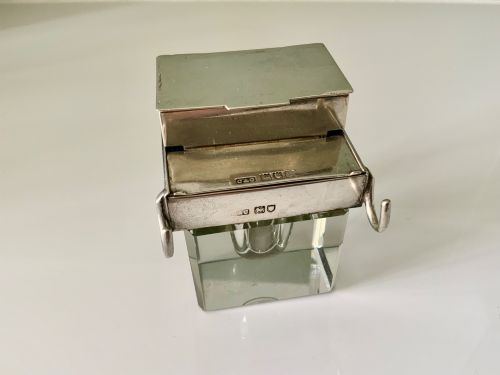
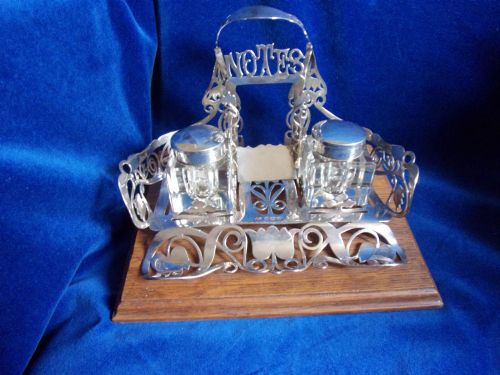
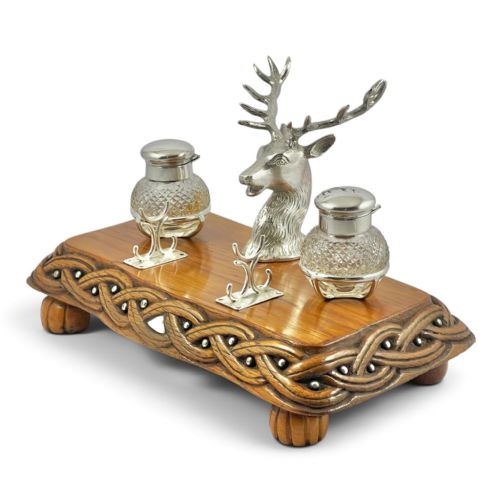
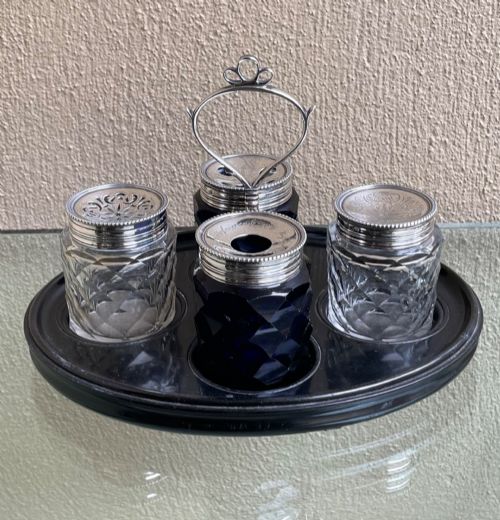
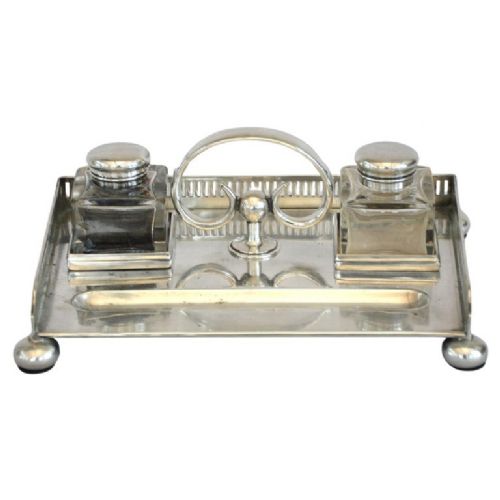
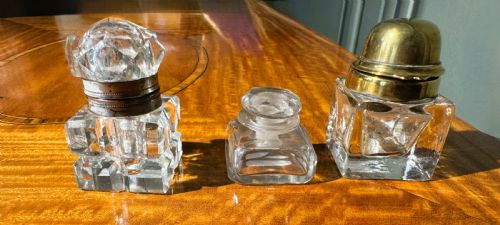
Forms include single inkwells, double inkstands, and travelling versions designed for portability. Materials range from plain glass and cut glass to iridescent glass, paired with brass, silver gilt, and ebonised wood.
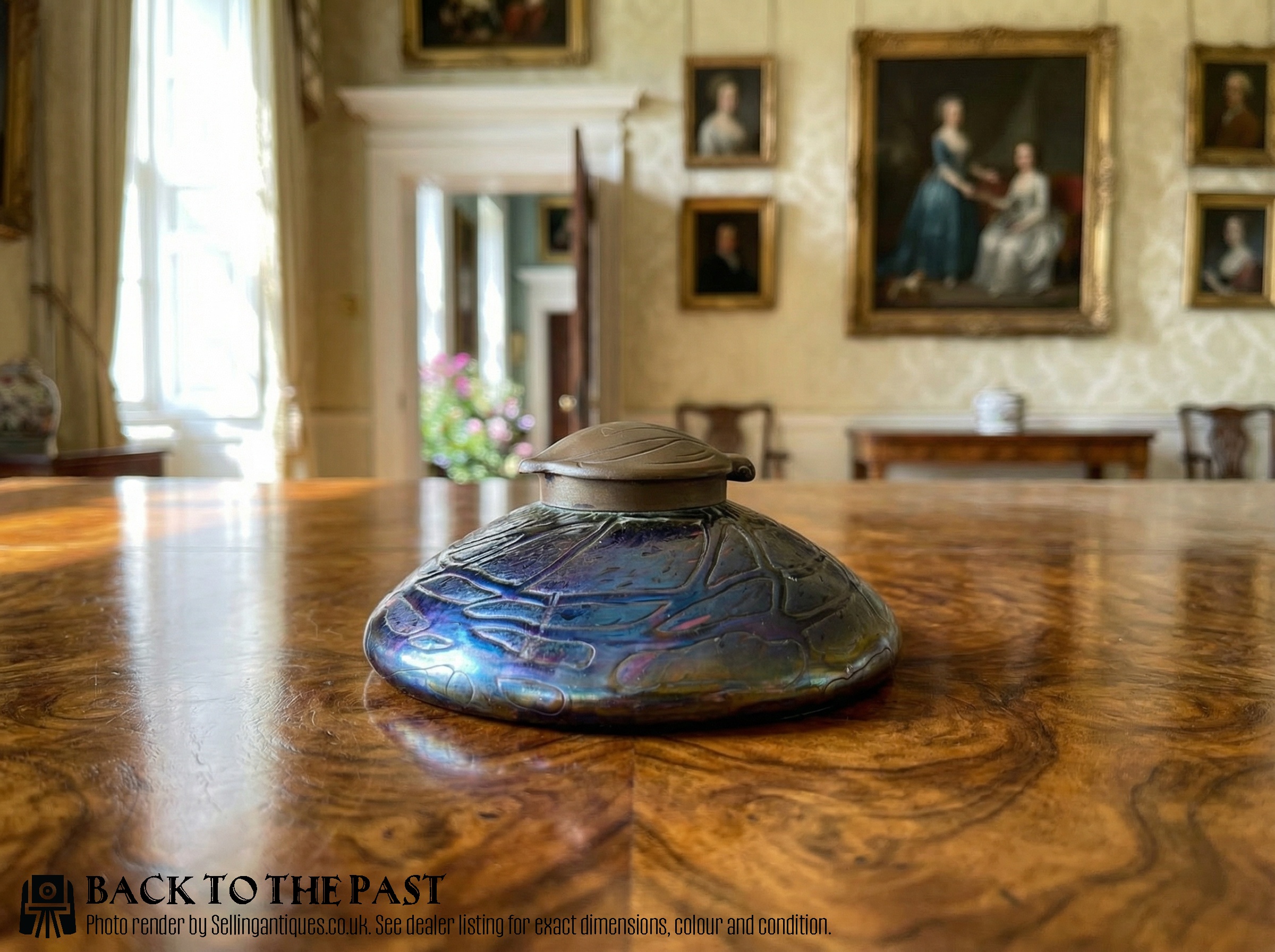
The styles represented cover George IV, Victorian, and Art Nouveau designs, reflecting both domestic writing furniture and portable desk equipment from these eras.
How they were made
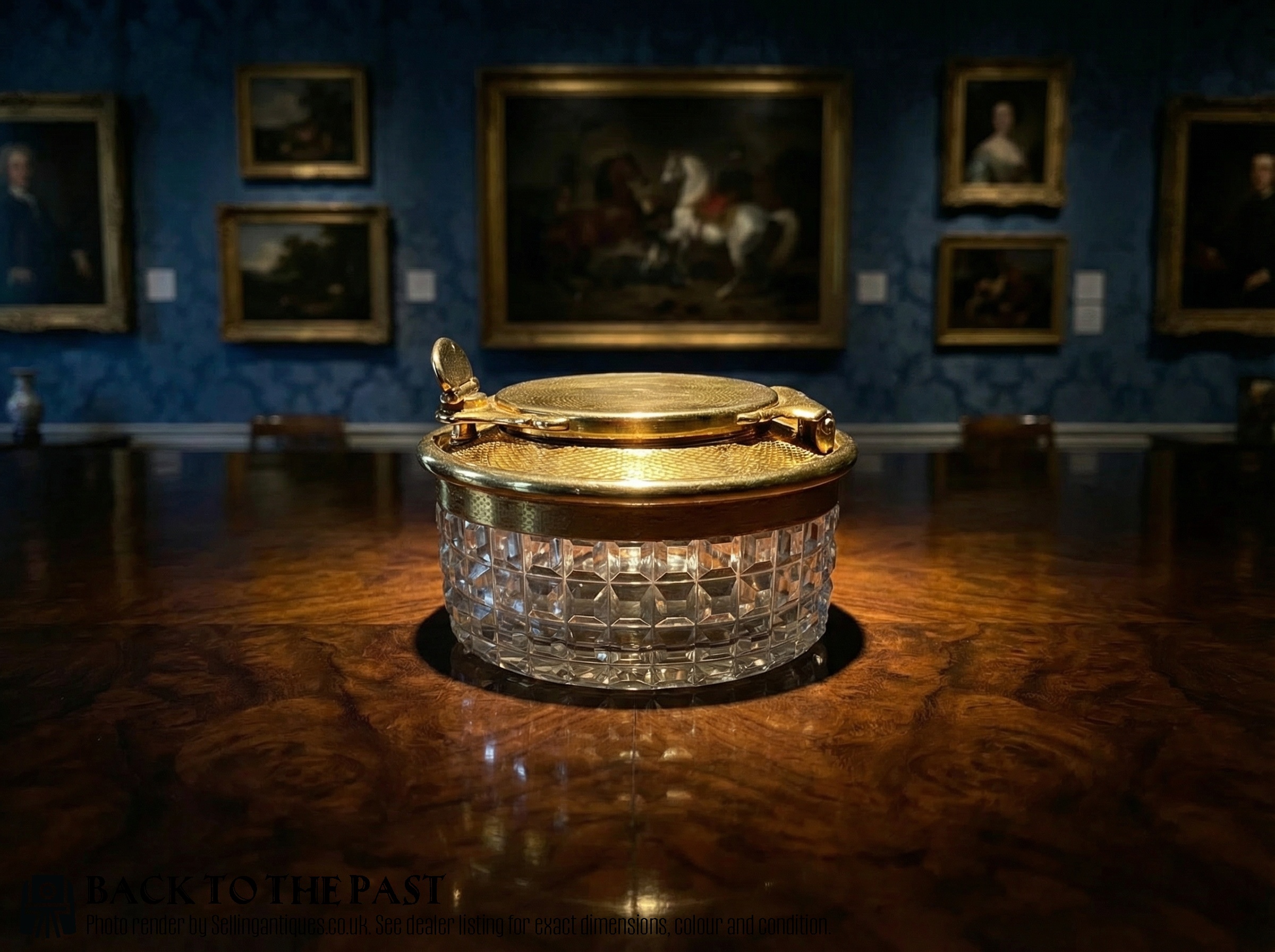
Makers shaped the inkwells using glassblowing and cutting techniques, producing heavy cut glass or iridescent glass bodies. Metal mounts in brass or silver gilt provide structural support and hinged lids for the ink reservoirs.
Bases incorporate materials such as ebonised wood or cast metal, sometimes featuring decorative motifs like lizards or dolphin feet. Silver components carry hallmarks indicating London assay offices and specific years of production.
Antique Glass Inkstand Retail Price Guide 2026
Typical asking prices for glass inkstand among the pieces listed under this phrase on Sellingantiques today, from the lower quarter to the upper quarter. They describe what is for sale here now, not the wider market.
A lizard sometimes climbs across the brass and glass.
What varies in quality
Quality rests on the fineness of the glass cutting, the weight of the metal mounts, and the complexity of the design. Art Nouveau pieces show fluid organic forms in iridescent glass, while Georgian and Victorian examples rely on crisply cast silver gilt or brass frames.
The presence of fully hallmarked silver components and integrated stands with multiple wells distinguishes more elaborate production. Finer items combine detailed casting, such as figural mounts or shaped feet, with heavy cut glass reservoirs.
The Antique Glass Inkstand Glossary
- Cut glass
- Glass decorated by cutting facets or patterns into the surface using a wheel. This technique creates sharp geometric designs that catch the light.
- Silver gilt
- Sterling silver that has been coated with a thin layer of gold. It provides the durability of silver with a rich gold finish.
- Iridescent glass
- Glass treated with metallic salts to produce a shimmering, rainbow-like surface effect. It is characteristic of Art Nouveau production.
- Inkstand
- A complete desk set holding one or more inkwells alongside space for pens and nibs. It forms the central station for correspondence.
- Travelling ink well
- A portable inkwell designed with secure seals and robust outer cases for use on journeys. These pieces protect against spills while away from a fixed desk.
Antique Glass Inkstand: Frequently Asked Questions
What is an antique glass inkstand?
An antique glass inkstand is a desk accessory comprising a glass ink reservoir mounted in a base of brass, silver, or wood. These items held ink for writing with dip pens.
They served as functional desk furniture and portable writing equipment across the Georgian, Victorian, and Edwardian periods.
How do I date an inkstand?
Dating relies on stylistic clues like Art Nouveau curves or Georgian silver mounts, alongside hallmarks on silver components. Silver parts often bear assay office marks and date letters.
Materials such as iridescent glass point towards the turn of the twentieth century, while heavy cut glass and brass mounts frequently indicate Victorian manufacture.
Were these used for travel?
Some pieces are specifically designated as travelling ink wells, built with secure lids and robust mountings to prevent leaks in transit. They allowed writers to carry liquid ink safely.
Larger double inkstands remained stationary on library desks, while smaller formats suited portable writing boxes.
What styles are common?
Common styles include ornate Victorian brass and glass combinations, George IV silver gilt designs, and fluid Art Nouveau iridescent glass. Each style reflects the aesthetic preferences of its period.
Decorative elements range from simple cut glass patterns to cast animal motifs and specialised feet.