


Antique Desk Inkwell
An antique desk inkwell brings tangible weight to a workspace, combining practical stationery utility with the refined metalwork, glass or ceramics of past centuries.
Antique Desk Inkwell
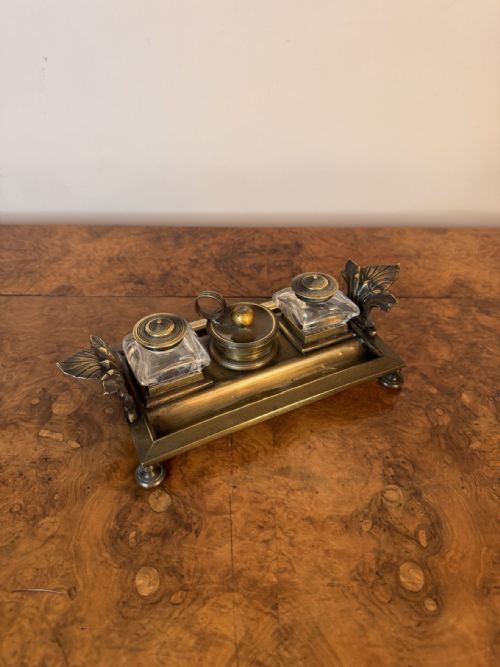
When searching for an antique desk inkwell, buyers encounter various forms ranging from simple glass reservoirs to elaborate multi-piece desk sets, stands, and travel pieces.
The selections span the eighteenth, nineteenth, and early twentieth centuries, covering Georgian, Victorian, Edwardian, and Art Deco periods across British, French, and other continental origins.
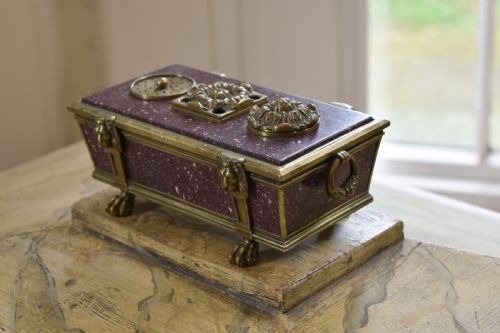
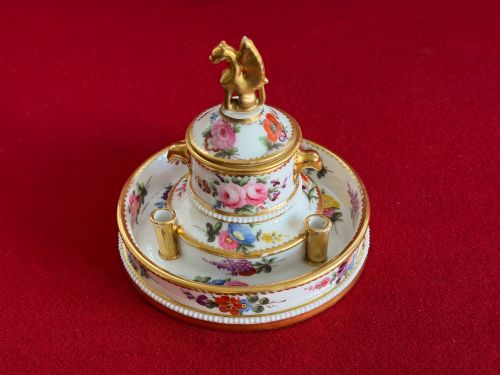
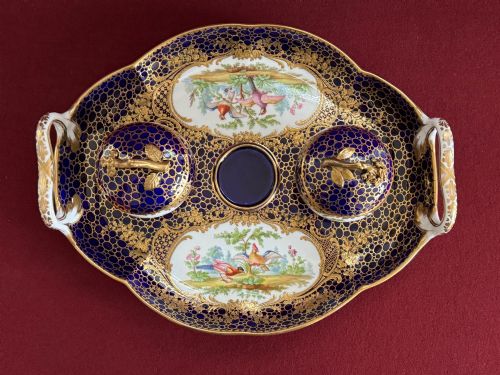
Many examples incorporate companion desk accessories such as pen rests, stamp boxes, candle holders, and blotters alongside the central ink container.
Materials and Construction
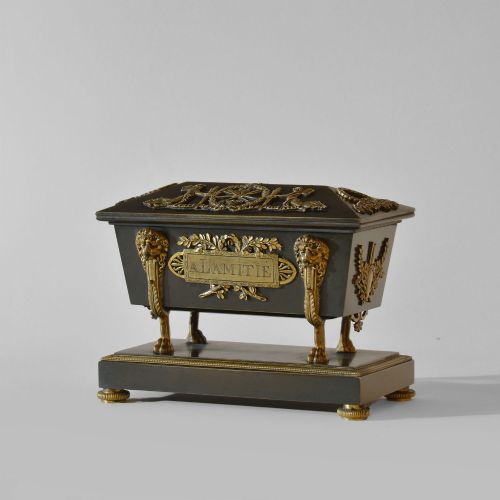
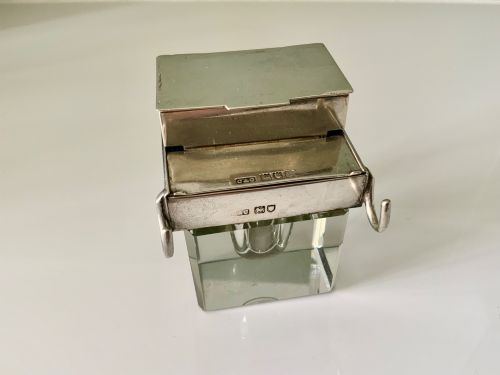
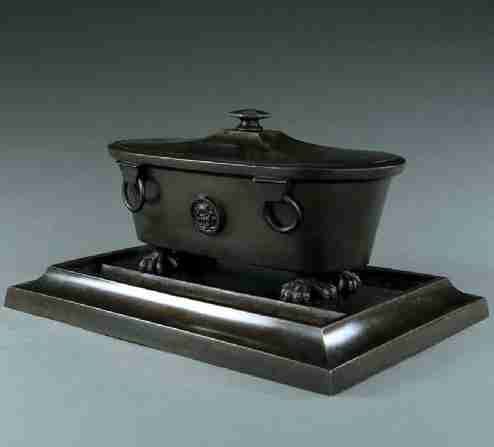
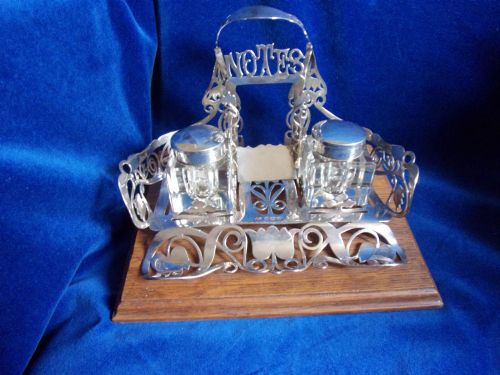
Metalworking techniques produced cast bronze, polished pewter, chased silver, and silver plate, often housing internal glass ink inserts.
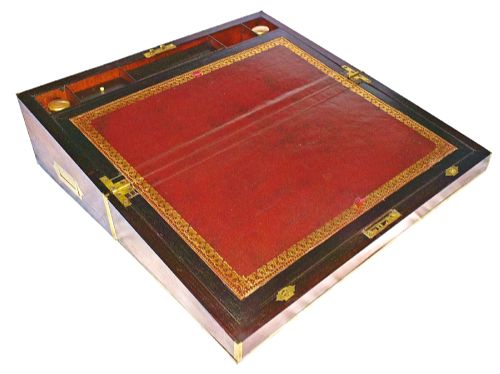
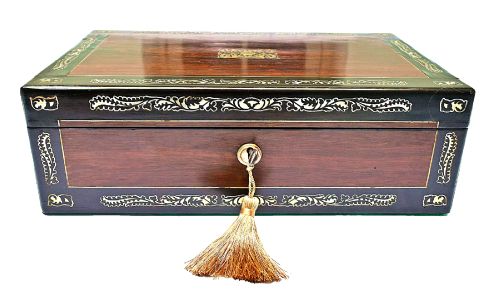
Cabinetmakers utilised hardwoods like walnut, coromandel, and ebony, frequently embellished with brass mounts, tortoiseshell, mother of pearl, or boulle work.
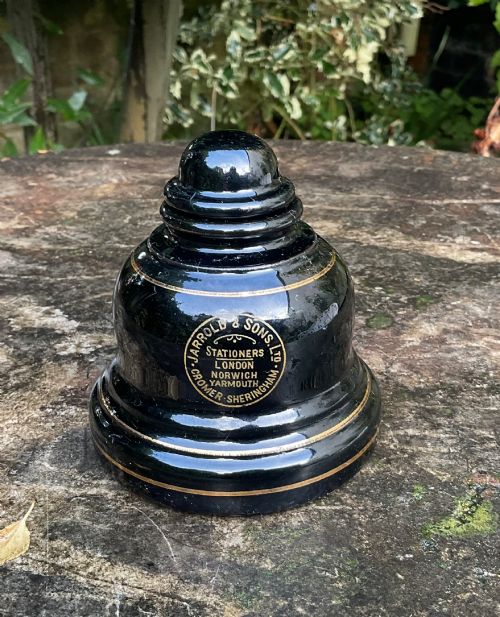
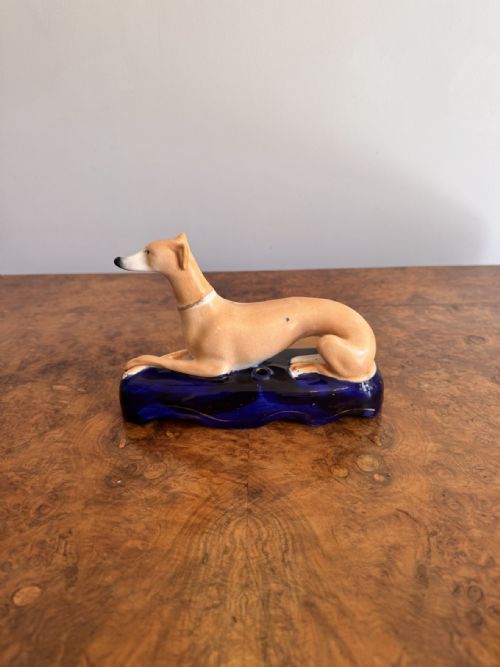
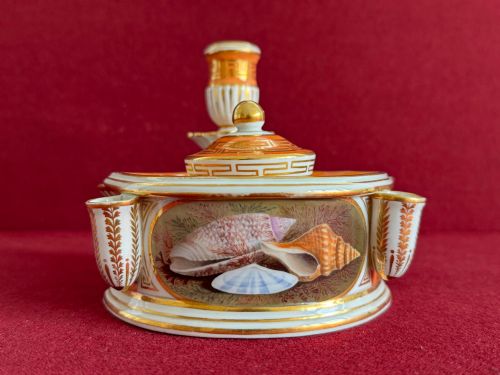
Ceramic and stone versions display porcelain bodies, cast marble bases, malachite mounts, and hand-carved wooden animal figures with glass eyes.
Antique Desk Inkwell Retail Price Guide 2026
Typical asking prices for desk inkwell among the pieces listed under this phrase on Sellingantiques today, from the lower quarter to the upper quarter. They describe what is for sale here now, not the wider market.
Several Victorian desk pieces take the surprising form of taxidermy horse hooves mounted with silver caps and hinged lids.
Evaluating Craftsmanship
Quality rests in the precision of the casting, the integration of mixed materials, and the survival of matching components within a desk set.
Superior pieces display crisp detail in figural elements, substantial metal weight, and original glass liners or fitted interior compartments.
The distinction between standard commercial production and finer workshops shows in the finishing touches, such as hand-chased metalwork and specialised decorative cabochons.
Edmé Samson·Archibald Knox Liberty Tudric·William Hutton·Henry Matthews·Walker And Hall
The Antique Desk Inkwell Glossary
- Inkstand
- A complete tray or stand holding one or more inkwells, usually accompanied by pen rests and other writing implements.
- Capstan inkwell
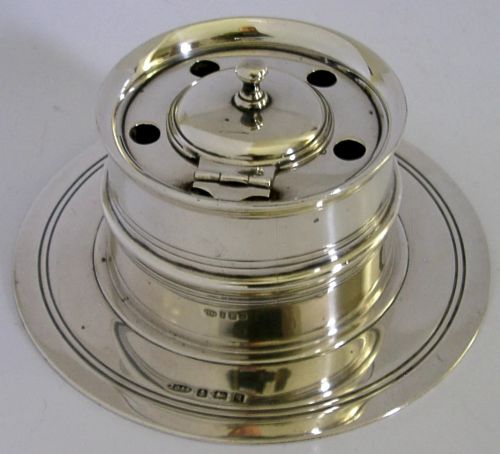
- A desk inkwell shaped like a ship's capstan, widening from a narrow top toward a broad circular base.
- Standish
- An alternative traditional term for a portable desk stand or inkstand containing ink and writing sand.
- Boulle work
- An elaborate form of marquetry utilising tortoiseshell and brass inlay developed in seventeenth-century France and revived later.
Antique Desk Inkwell: Frequently Asked Questions
What is an antique inkstand?
An inkstand is a larger desk accessory base designed to hold one or more inkwells alongside slots for pens and drying sand.
These pieces served as the central writing station on a library or partners desk.
How do I date a capstan inkwell?
Capstan inkwells often feature hallmarks on their silver rims or mounts that indicate the specific assay office and year of production.
Stylistic shifts in the breadth of the base and the shape of the hinged lid also help distinguish Edwardian examples from later twentieth-century versions.
Were inkwells used for travel?
Travel inkwells were engineered with screw-down tops or secure internal lids to prevent ink from spilling inside luggage or carriage compartments.
These portable versions frequently used leather cases or rugged glass and metal combinations to withstand transit.
What materials are common in desk sets?
Desk sets combine sterling silver, brass, pewter, and bronze with cut glass inserts, marble bases, and wooden frames like walnut or coromandel.
Decorative accents often include tortoiseshell, enamel, semi-precious stones, and carved wooden motifs.