




Silver Plated Desk Tidy
A silver plated desk tidy keeps your writing desk in order, bringing period metalwork and cut glass together to hold inkwells and pens.
Silver Plated Desk Tidy
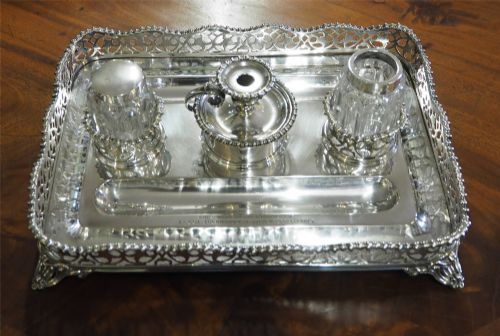
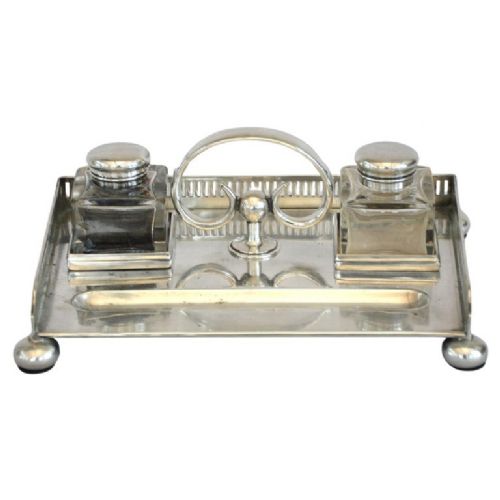
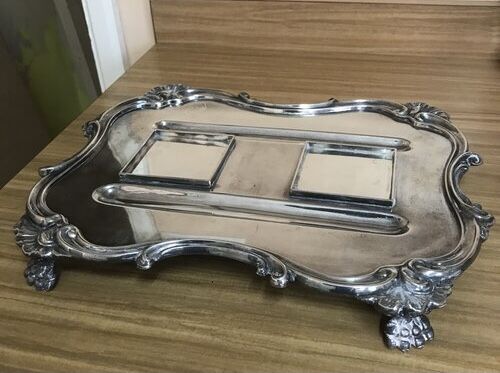
A silver plated desk tidy gathers inkstands, pen rests, and trays into a single desk accessory designed for correspondence. These pieces span from the nineteenth century through the Edwardian period and into the twentieth century, appearing in Victorian, Rococo Revival, and Art Nouveau styles.
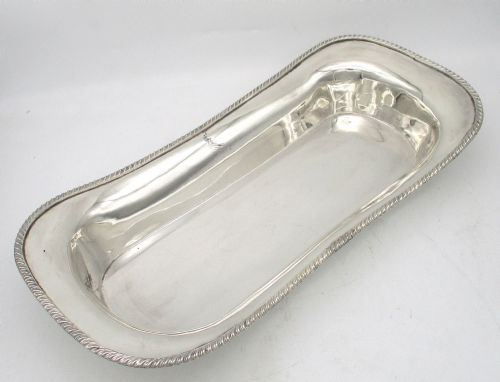
You are most likely to encounter Victorian and Edwardian examples featuring fitted glass or cut glass inkwells alongside metal stands. Forms range from simple knife trays and vide poche vessels to elaborate double inkstands with dedicated pen rests.
Materials and construction
Workshop production relies on silver plate, Old Sheffield plate, and base metal foundations combined with cut glass and horn. Makers shape copper and other metals before applying silver plating, often incorporating fitted glass inkwells and compartments.
Construction techniques include cast or pierced metal frames paired with heavy glass reservoirs. Early pieces utilise Old Sheffield plate methods, while later Victorian and Edwardian examples employ standard silver plating over base metal.
Silver Plated Desk Tidy Retail Price Guide 2026
Typical asking prices for silver plated desk tidy among the pieces listed under this phrase on Sellingantiques today, from the lower quarter to the upper quarter. They describe what is for sale here now, not the wider market.
Some Victorian desks required a novelty inkwell shaped like an animal to keep correspondence entertaining.
Distinctions in quality
Quality depends upon the weight of the metal base and the crispness of any cast ornamentation. Heavier stands with substantial mounts and intact cut glass vessels indicate superior workshop output.
The survival of original glass inserts and the precision of pen rests distinguish better examples. Pieces bearing identifiable maker marks from established firms demonstrate higher manufacturing standards.
Elkington·Walker And Hall·Walker Knowles·W M F·Maria Pergay·Daniel Holy·Martin Hall
The Silver Plated Desk Tidy Glossary
- Silver Plate
- A thin layer of silver bonded to a base metal such as copper. This technique allowed makers to produce affordable items with the appearance of solid silver.
- Old Sheffield Plate
- An early method of fusing a sheet of silver to a copper ingot before rolling them together. This process creates a distinctive edge where the underlying copper appears.
- Inkstand
- A fitted tray holding one or more inkwells alongside sanders and pen rests. These desk accessories served as the centrepiece for letter writing.
- Vide Poche
- A small tray or dish used for emptying pockets or holding small items. French makers produced these designs for domestic use.
- Pen Rest
- A dedicated support integrated into a desk stand to hold quill pens or nib pens. This feature keeps writing implements elevated above the desk surface.
Silver Plated Desk Tidy: Frequently Asked Questions
What is a silver plated desk tidy?
A desk tidy is a metal stand or tray designed to hold writing equipment like inkwells, pens, and sanders. They keep a writing surface organised and protect the desk from ink.
Most examples combine a silver plated metal frame with cut glass inserts or horn bodies. They reflect the styles of their period, from Victorian rococo scrolls to Edwardian simplicity.
How do I date a silver plated inkstand?
Dating relies on stylistic clues, registration marks, and the manufacturing technique used on the metal. Victorian pieces often display ornate cast decoration, while later twentieth-century items adopt cleaner lines.
Examining the metal base beneath the silver plate also helps determine whether the piece uses Old Sheffield plate or later electroplating methods.
Are the glass inkwells usually original?
Many surviving desk sets retain their original cut glass or plain glass inkwells, shaped to fit the specific compartments of the stand. Replacement glass inserts are common due to the fragility of glass over time.
Matching glass thickness and cutting styles helps determine if the inkwells belong to the original stand.
How should I clean a silver plated desk stand?
Cleaning requires a mild silver polish and a soft cloth to remove tarnish without wearing through the thin silver layer. Avoid abrasive cleaners that can damage the plated surface.
Glass inkwells and horn components should be cleaned separately from the metal stand to protect different materials.
Where were these desk accessories used?
These pieces sat upon writing desks in libraries, studies, and offices for daily correspondence. They provided a secure place for ink and pens before the invention of the fountain pen.
Wealthy households used elaborate double inkstands, while simpler trays served practical writing needs.