




Victorian Novelty Inkwell
These playful victorian novelty inkwell pieces transform functional desk accessories into animals, figures and everyday objects designed to amuse the writer.
Victorian Novelty Inkwell
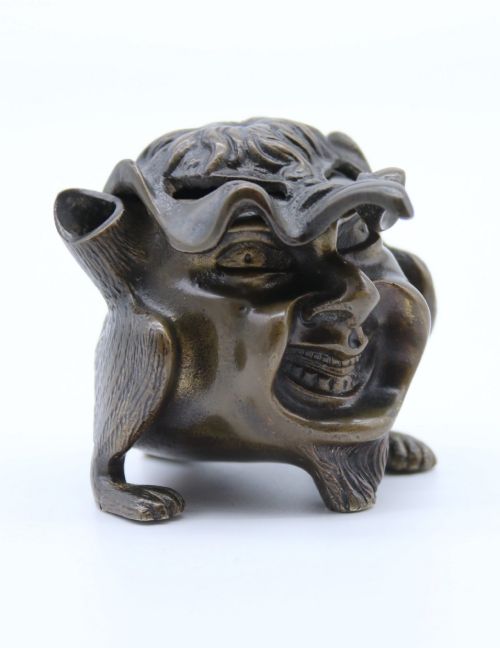
When you search for a victorian novelty inkwell, you encounter desk accessories that depart from standard geometric forms to take the shape of animals, birds, equestrian items and curious objects. These pieces range from small silver bell designs and pen wipes to large double inkstands and heavy taxidermy desk tidies.
Originating predominantly from the Victorian and Edwardian periods, these inkwells combine domestic utility with sculptural humour. They sit on writing desks as conversation pieces, concealing glass or ceramic wells within hinged bodies, heads or caps.
How they were made
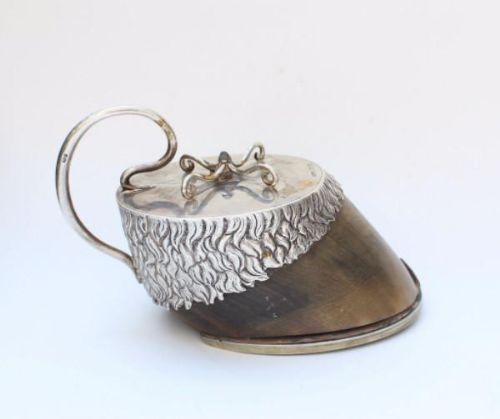
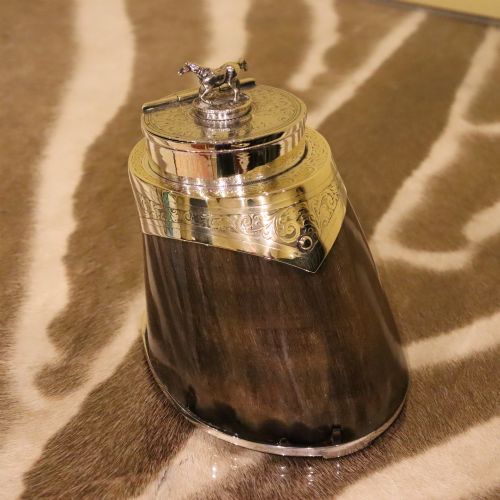
Metals such as bronze, brass, silver and silver plate were cast utilising techniques like ormolu and gilding, often incorporating inset glass eyes to bring animal subjects to life. Found materials also played a significant role, with artisans mounting horse hooves, horns, tortoise shell, coconut shells and boar feet with metal collars and hinges.
Carved wood pieces, particularly from the Black Forest tradition, relied on hand-carving oak and pine to shape detailed figures of owls, dogs and cats. Stoneware and glass were moulded into specific forms like balls and cornucopias, then fitted with hinged lids to contain the ink.
Victorian Novelty Inkwell Retail Price Guide 2026
Typical asking prices for victorian novelty inkwell among the pieces listed under this phrase on Sellingantiques today, from the lower quarter to the upper quarter. They describe what is for sale here now, not the wider market.
One exceptional bronze fox wears a detailed nightgown, bringing domestic Victorian humour directly to the writing desk.
What varies in quality
The distinction between ordinary and exceptional pieces lies in the sculptural precision and the lifelike quality of the modelling. Master modellers captured muscle tension in animals and expressive detail in human figures such as clowns or jockeys, whereas lesser examples rely on generic casting without individual character.
Material choice and the preservation of original components also dictate the standard of a piece. The presence of undamaged original glass liners, intact glass eyes and crisp chasing on bronze or silver surfaces elevate the piece significantly above those with replaced or worn elements.
Sampson Mordan
The Victorian Novelty Inkwell Glossary
- Animalier
- A nineteenth-century artistic movement and style focusing on the realistic portrayal of animals, frequently seen in bronze inkwells modelled as dogs, stags or birds.
- Black Forest
- A style of ornate wood carving originating from the mountainous region in Germany, characterised by deep relief carvings of animals like cats, dogs and owls.
- Ormolu
- A technique of applying finely ground, high-carat gold-mercury amalgam to a bronze object, giving the metal a rich, golden finish.
- Desk Tidy
- A multipurpose desk accessory designed to hold writing instruments, inkwells and paperwork in one integrated stand.
- Pen Wipe
- A small desk accessory made from materials like silver or fabric used by writers to clean surplus ink from nibs.
Victorian Novelty Inkwell: Frequently Asked Questions
What animals appear most often?
Owls and dogs dominate the selection, appearing in bronze, carved wood and silver plate with glass eyes.
Other frequent subjects include horses, ostriches, cats and monkeys.
How do you open the inkwell?
Most pieces feature hinged mechanisms hidden within the head, back or top of the modelled object.
Lifting the cap or hinged body reveals the original glass or ceramic ink container inside.
Were horse hooves used for inkwells?
Yes, Victorian and Edwardian taxidermy desk accessories frequently utilised actual horse or pony hooves.
These were mounted with silver or brass rims, lids and handles to serve as inkstands or paperweights.
What materials were used besides metal?
Carved wood is prominent, particularly in Black Forest dog and cat figures made from oak and other timbers.
Makers also utilised horn, stoneware, glass, tortoise shell and coconut shells.