
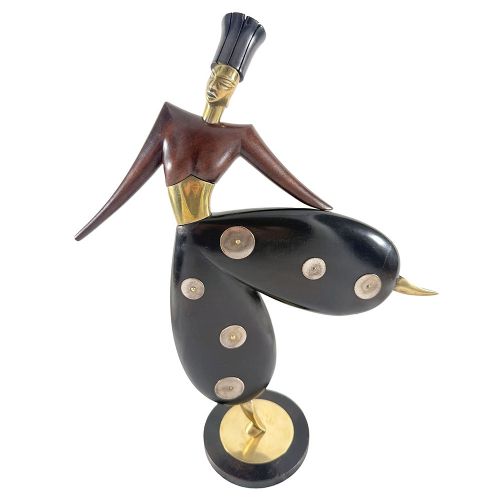


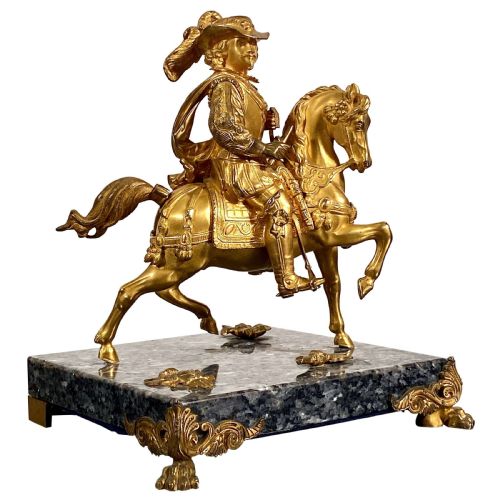


Brass Desk Ornament
A brass desk ornament brings heavy weight and bright metal to a working surface, combining practical function with nineteenth and twentieth century display.
Understanding the brass desk ornament
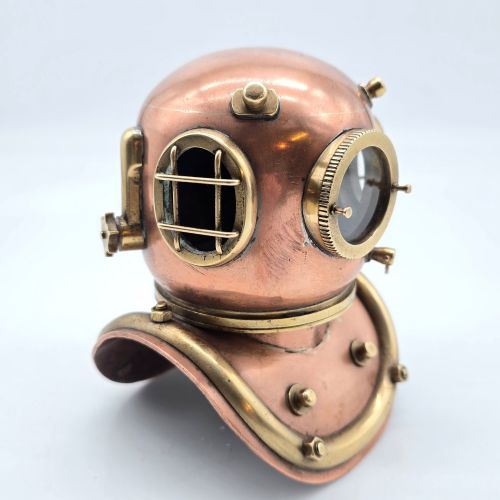
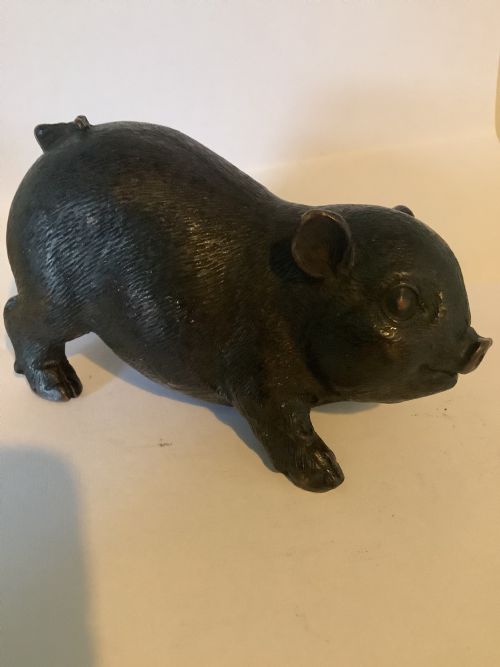
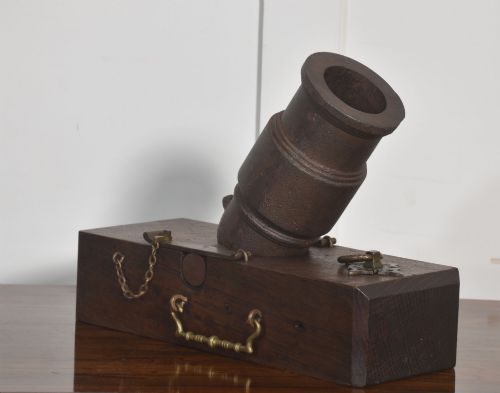
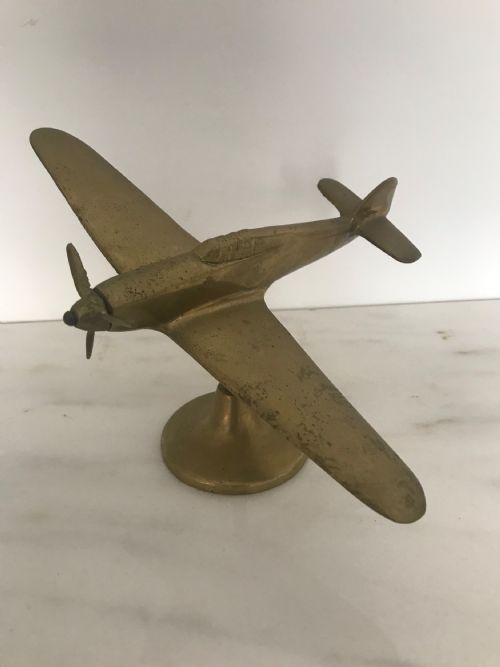
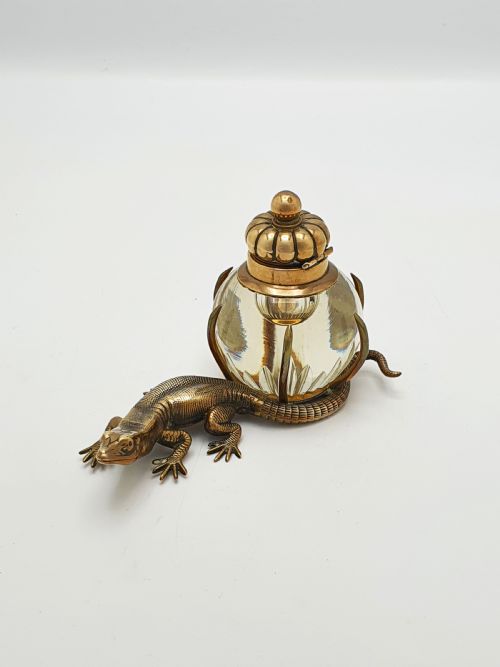
Every brass desk ornament serves as a tactile focal point for a study or library table, spanning utilitarian instruments and decorative sculptural forms. The selection encompasses maritime models, scientific tools, inkwells, and animal sculptures.
Most examples date from the nineteenth and twentieth centuries, reflecting the Victorian appetite for desk paraphernalia through to mid-century modern design. These pieces often adapt working machinery or natural subjects into miniature display items for the home.
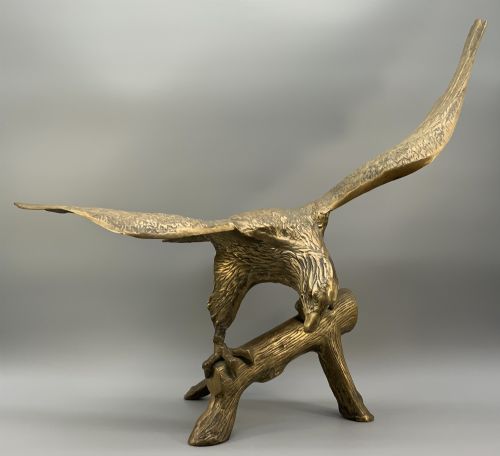
Forms range from mechanical ship's logs and anchors to cast eagles and novelty parrots. Each item occupies a distinct category of desk accessory designed to hold paper, measure conditions, or simply provide visual weight.
Materials and construction
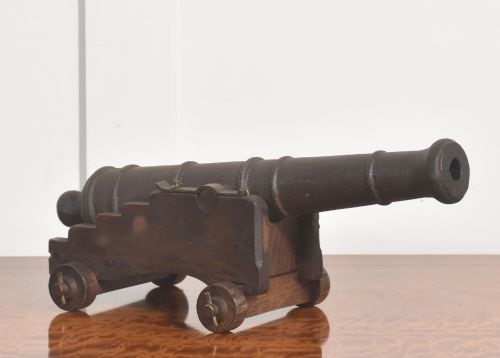
Makers relied primarily on cast brass, often utilising bronze alongside glass, oak, and other supporting materials to construct functional instruments and figures. Casting allowed for intricate detail in items such as the field gun, bird sculptures, and mechanical anchors.
Complex maritime and scientific instruments required precise engineering, combining turned brass components with glass viewing lenses and engraved dials. Simpler ornamental pieces relied on heavy sand casting to achieve solid mass and defined contours.
Retail Price Guide 2026
Typical UK retail prices for brass desk ornament, calculated from the Sellingantiques database of over a million retail prices indexed since 2003. This retail price guide relies exclusively on Sellingantiques data; no external sources or auction records are used, so the figures do not describe the wider market.
Listings feature items spanning the 1880s through to 1950, utilising brass, cast brass, oak, and glass.
Assessing quality and character
Superior examples demonstrate crisp casting and clean articulation of mechanical parts, whereas lesser pieces show softer surface definition and simpler finishing. The weight and thickness of the brass itself often indicate the ambition of the original maker.
Patina and original surface preservation dictate visual appeal, with untouched aged brass surfaces commanding greater interest than over-polished examples. The complexity of the subject matter, from a simple inkwell to a detailed scientific theodolite, further distinguishes the tier of the object.
The Brass Desk Ornament Glossary
- Cast brass
- An alloy of copper and zinc poured into a mould to form solid shapes and figures. This method creates the heavy body typical of nineteenth century desk accessories.
- Maritime industrial
- A design style drawing on nautical equipment and shipping apparatus adapted for land use. These objects translate heavy marine hardware into domestic table ornaments.
- Theodolite
- A precision optical instrument used for measuring angles in surveying and navigation. Fitted to a desk stand, it becomes a scientific desk ornament.
- Ship's log
- A mechanical device used to measure the speed of a vessel through water. When mounted on a base, it functions as a desk decoration.
Frequently Asked Questions
What is a brass desk ornament?
A brass desk ornament is a decorative or functional object designed for placement on a writing table or study desk. These pieces include miniature sculptures, scientific instruments, and repurposed maritime tools.
Most items originate from the nineteenth and twentieth centuries, manufactured from cast brass sometimes combined with glass and oak. They reflect period tastes ranging from Victorian maritime to mid-century modern design.
How were desk ornaments used?
Many brass desk ornaments served practical purposes in addition to their decorative appeal. Items such as inkwells held writing fluid, while compasses, thermometers, and ship's logs measured physical conditions or distance.
Other examples, including bird sculptures and model anchors, were purely ornamental display pieces intended to anchor papers or decorate a library interior.
How do I date an antique brass piece?
Dating relies on stylistic markers, mechanical patents, and manufacturing techniques visible in the object. Victorian pieces often display heavy ornamentation and maritime themes, while twentieth-century examples shift towards cleaner mid-century lines.
Documentation or engraved patent names on items like anchors and scientific instruments provide specific chronological reference points for the maker's output.
How do I care for antique brass?
Antique brass benefits from minimal intervention to preserve its historic surface appearance and natural oxidation. Dusting with a soft dry cloth prevents dirt accumulation without removing the aged patina.
Harsh chemical polishes should be avoided because they strip away the accumulated character developed over centuries of handling and exposure.