


Miniature Artillery Model
A miniature artillery model brings history to the desk, offering scale brass and bronze craftsmanship that collectors value.
Miniature Artillery Model
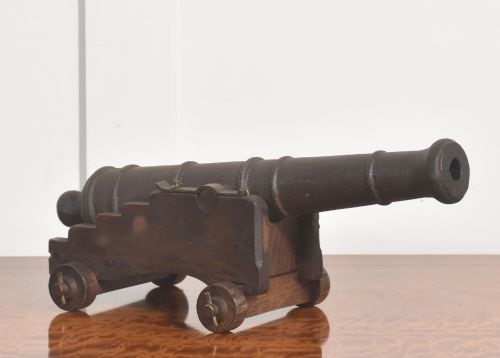
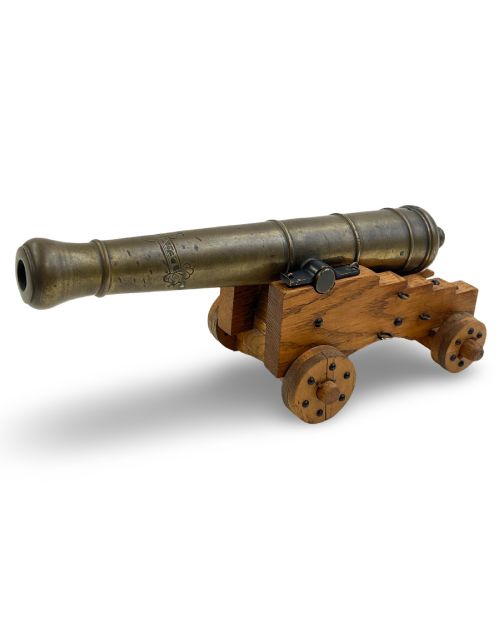
A miniature artillery model represents historical ordnance scaled down for display, often taking the form of a signal cannon or desk ornament.
You will most frequently encounter 19th Century and Victorian examples alongside pieces styled after 18th Century and 17th Century military designs.
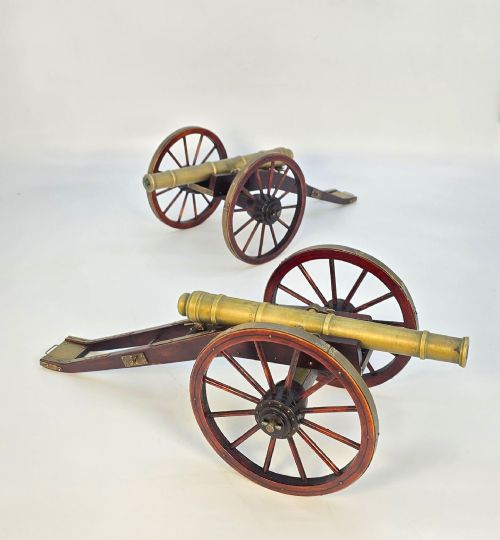
These items function as decorative objects, featuring wheeled carriages built from oak, mahogany, or iron to support metal barrels.
How they were made
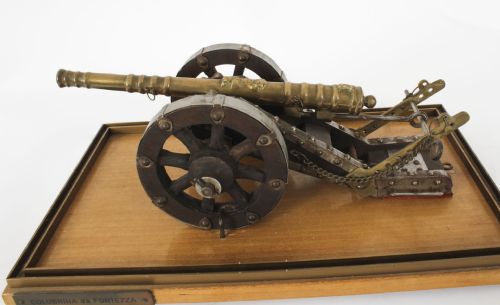
Barrels are cast from bronze, brass, iron, or polished steel, sometimes bearing inscriptions or specific detailing reminiscent of field guns and fortress colubrinas.
Carriages and undercarriages are constructed from hardwoods such as oak and mahogany, paired with cast iron components to bear the weight of the metal barrel.
Some miniature artillery pieces double as signal cannons, ready to punctuate a quiet afternoon with a startling bang.
What varies in quality
Quality rests in the precision of the metal casting and the fidelity of the scaling, distinguishing simple decorative models from finely rendered hand built pieces.
The combination of materials dictates the finish, where polished bronze or steel paired with substantial hardwood undercarriages demonstrates superior construction.
The Miniature Artillery Model Glossary
- Signal cannon
- A small cannon utilised for firing blanks to signal events or time. These models often feature sturdy bronze or iron barrels.
- Carriage
- The mounting or wheeled frame that supports the cannon barrel. Oak and mahogany are common woods used in their construction.
- Colubrina
- An early type of long cannon or culverin. Models representing this form appear in 19th Century bronze cased pieces.
- Gribeauval system
- A standardised artillery system developed in France. Models bearing this style reflect historical field gun designs.
Miniature Artillery Model: Frequently Asked Questions
How old are these model cannons?
The pieces available span from 18th Century styles and 19th Century originals up to early 20th Century reproductions and hand built items.
Dates range across the Victorian era, 1910, 1920, and 1930, reflecting both period manufacture and historical revival styles.
What metals are used?
Makers utilised bronze, brass, iron, cast iron, and polished steel for the barrels of these models. These metals provided the weight and appearance of real artillery.
Combos often feature bronze barrels paired with brass or iron fittings.
Were these used on desks?
Many examples function specifically as desk ornaments or desk cannons, serving as decorative items for studies and offices.
They combine heavy bronze or brass barrels with compact mahogany or oak undercarriages suited for tabletop display.