

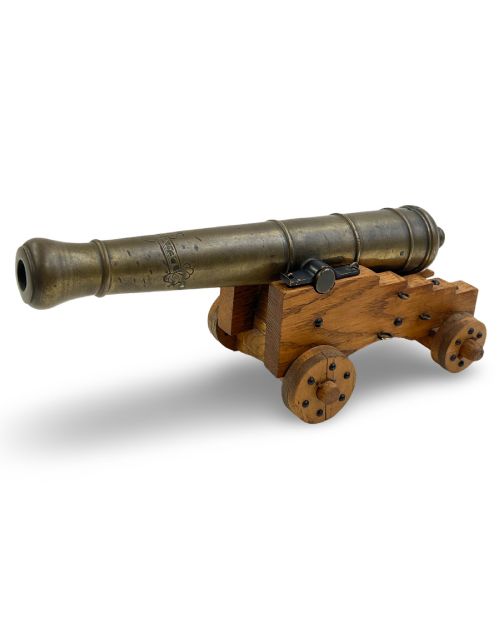


Antique Naval Cannon
These antique naval cannon pieces bring maritime history into the room, offering heavy metal models and paintings that collectors prize.
Antique Naval Cannon
When you search for an antique naval cannon, you encounter signal cannons, desk ornaments, and oil paintings depicting warships at sea. These objects capture maritime history through bronze, cast iron, and oil on canvas.
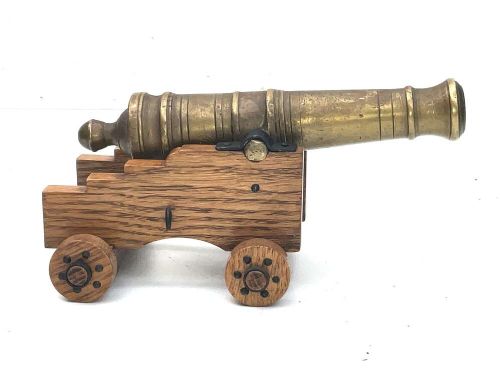
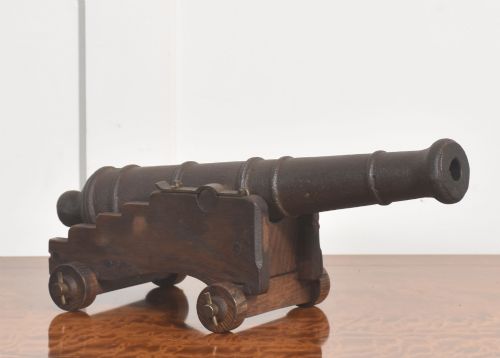
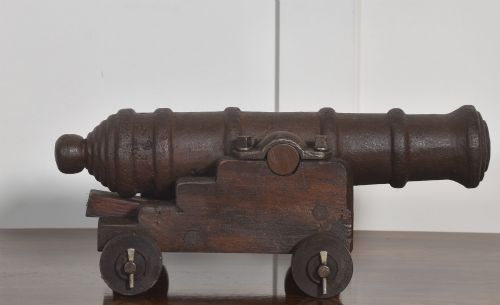
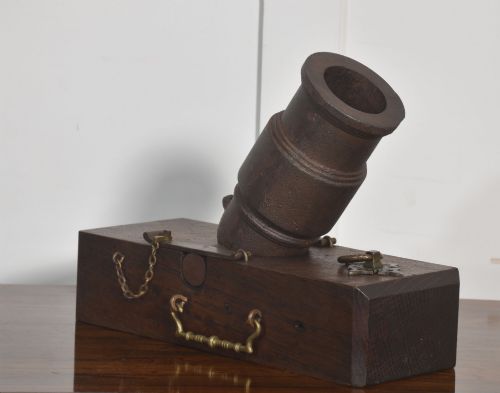
The versions most likely to meet you on this page include nineteenth-century cast iron signal cannons mounted on oak carriages, alongside French bronze pieces and hand-built models. Desk top models and signal mortars also appear among the selections.
The materials span brass, cast iron, oak, bronze, iron, wood, paint, and oil paint, reflecting both functional signalling pieces and decorative maritime antiques from the eighteenth and nineteenth centuries.
How they were made
Metal components involve casting iron, bronze, brass, and polished steel to form the barrels and mortars of the cannons. These metal bodies require precise moulding and finishing to achieve their weight and form.
Carriages and undercarriages utilise timber such as oak and mahogany, shaped to support the heavy metal barrels securely. Hand-built models and hand-made pairs demonstrate traditional carpentry and metalfitting techniques.
Paintings employ oil paint on canvas to render ships at sea, capturing naval engagements and galleons with detailed brushwork. These diverse techniques combine metalworking, woodworking, and canvas painting within the maritime tradition.
Antique Naval Cannon Retail Price Guide 2026
Typical asking prices for naval cannon among the pieces listed under this phrase on Sellingantiques today, from the lower quarter to the upper quarter. They describe what is for sale here now, not the wider market.
One cannon bears an inscription commemorating the end of the Crimean War, turning ordnance into a loud historical footnote.
What varies in quality
The distinction between top examples and simpler pieces rests on the precision of the casting and the fidelity of the scale model work. Finer items exhibit crisp markings, substantial weight in the bronze or cast iron, and careful proportioning.
The quality of the timber carriage matters significantly, with well-joined oak or mahogany undercarriages elevating a piece above basic mountings. In paintings, the depth of the seascape and the rendering of the warships dictate the standing of the work.
The Antique Naval Cannon Glossary
- Signal cannon
- A small cannon used for firing blank charges to signal times, start races, or salute vessels. These pieces usually feature solid barrels mounted on wooden carriages.
- Signal mortar
- A short, wide-mouthed ordnance piece designed to project noise upwards rather than shot horizontally. They share the same operational purpose as signal cannons on land or deck.
- Carriage
- The wooden or metal mounting structure that supports the cannon barrel. Oak and mahogany serve as traditional woods for these undercarriages.
- Seascape
- A painting depicting the sea, ships, and naval engagements. Eighteenth-century examples on this page record warships with raised sails and cannon.
Antique Naval Cannon: Frequently Asked Questions
What is a signal cannon?
A signal cannon is a small ordnance piece designed to produce a loud report rather than fire projectiles. They were used for maritime signalling, starting yacht races, and celebrating occasions.
Most examples found today are scaled models or dedicated desktop pieces made of bronze or cast iron, often mounted on wooden carriages like oak or mahogany.
How were desk cannons used?
Desk cannons served primarily as decorative ornaments and conversation pieces for studies and offices. Their heavy bronze or brass construction gave them a substantial presence on a desk.
Some functioned as working signal cannons, while others remained purely as scale models reflecting military and naval history.
What woods were used for carriages?
Carriages typically utilise dense hardwoods capable of withstanding the weight of metal barrels and the shock of a blank charge. Oak and mahogany appear frequently in the construction of these mounts.
Cabinetmakers shaped these timbers to mirror full-size naval mountings, adding stability and visual balance to the bronze or iron barrels.