

Victorian Maritime
Victorian maritime antique objects encompass navigating instruments, oil paintings, and campaign chests built for life at sea.
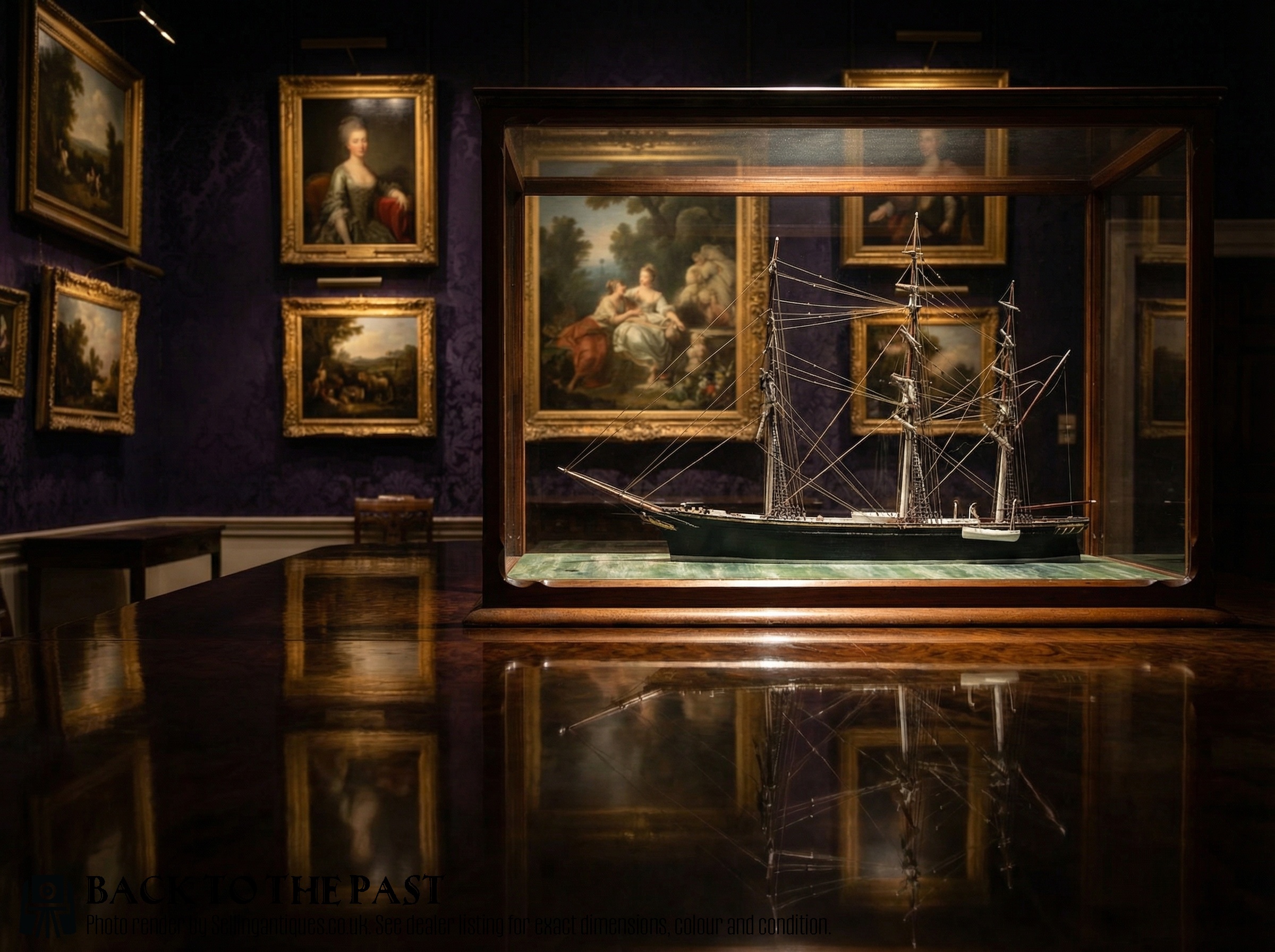
Victorian Maritime
A victorian maritime antique relates to nautical life, naval operations, and coastal trade during the nineteenth century. These items range from scientific instruments and oil paintings to heavy storage chests used on campaigns.
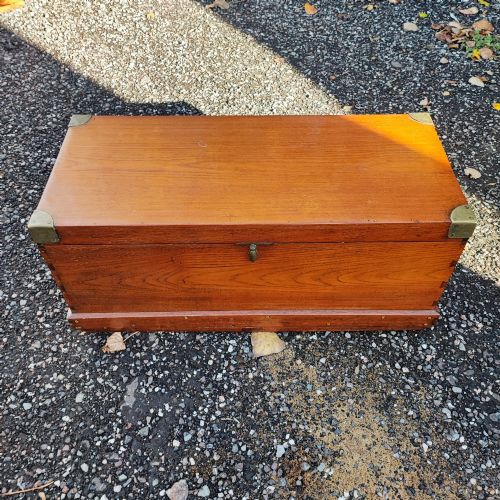
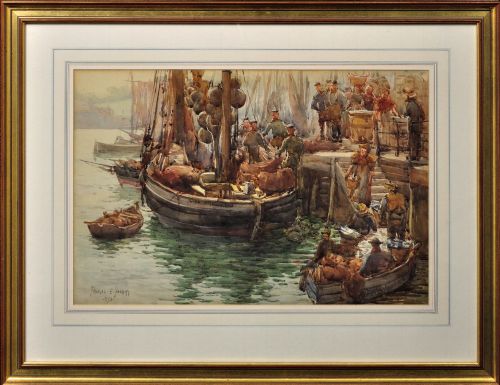
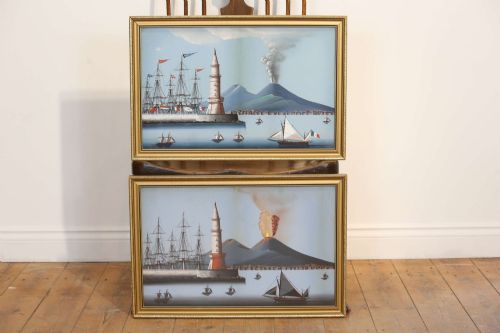
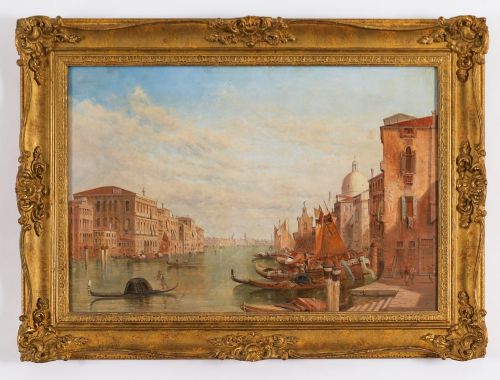
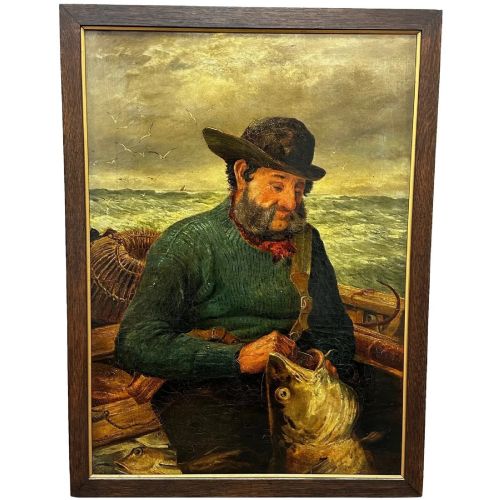
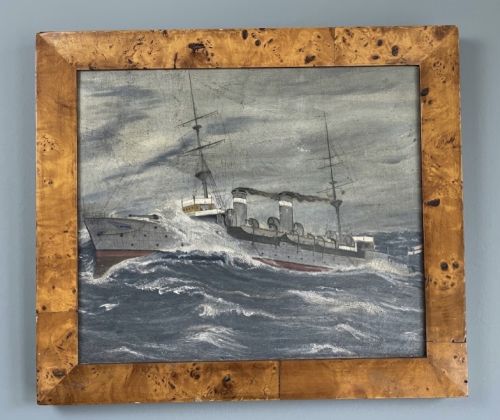
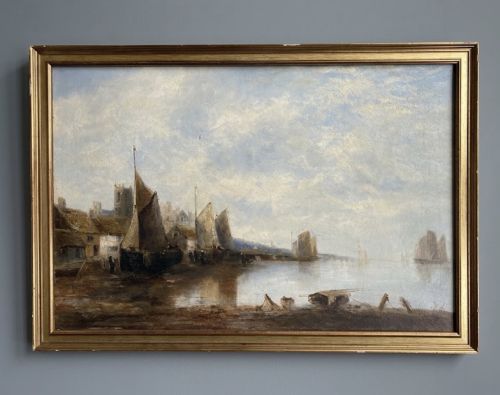
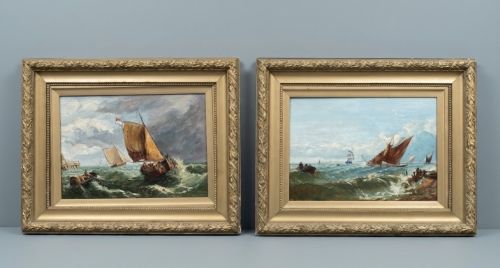
The most common examples on this page are camphor wood and teak campaign chests, alongside oil paintings of ships and harbours. Scientific equipment such as barometers and chronometers also appear frequently from this period.
Makers and artists working in this genre documented naval expansion, coastal shipping, and maritime exploration. Their output reflects the dominance of shipping and trade during the Victorian era.
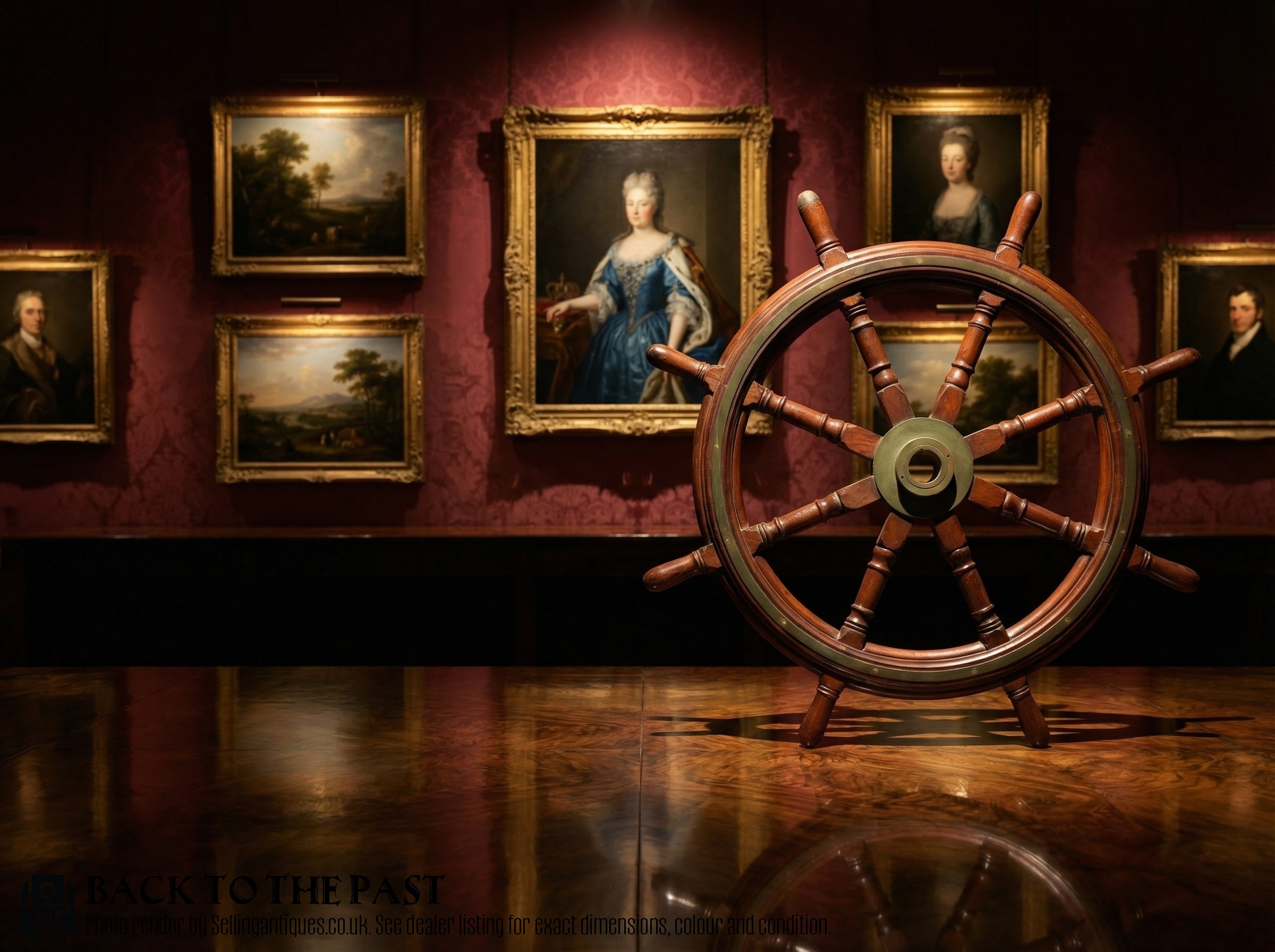
Materials and construction
Carpenters utilised durable timbers like camphor wood, teak, and oak to withstand moisture and sea voyages. Brass corners, binding, and recessed handles reinforced campaign chests and instrument cases against rough handling.
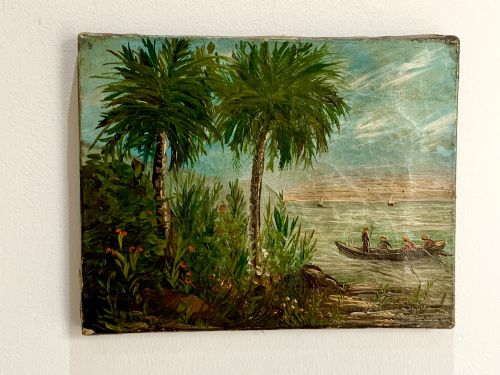
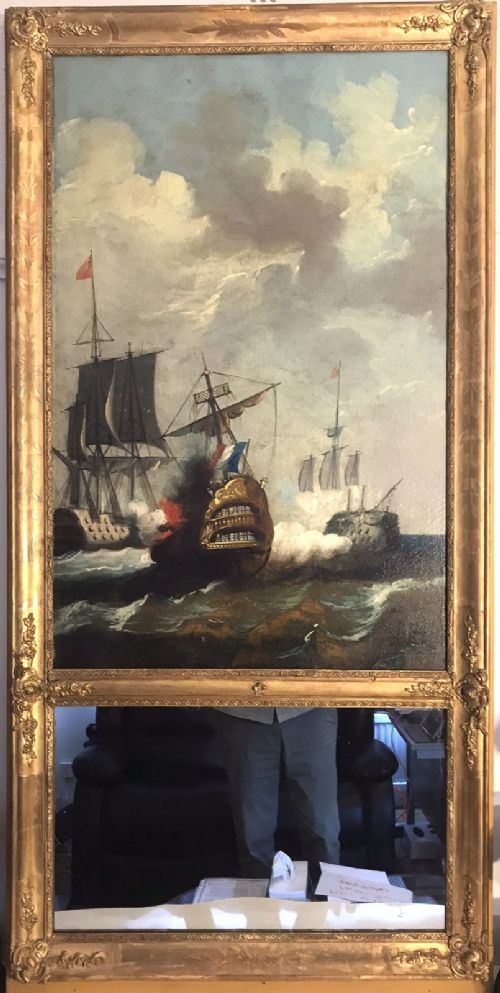
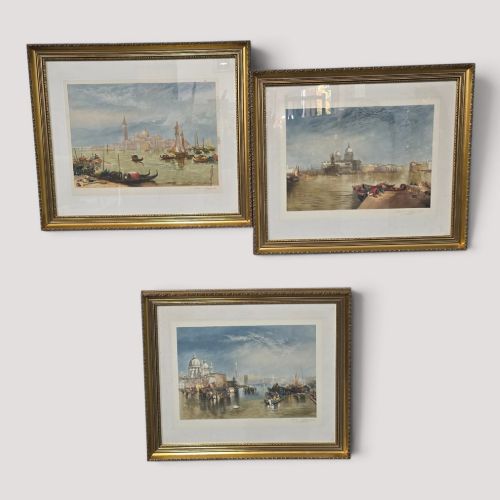
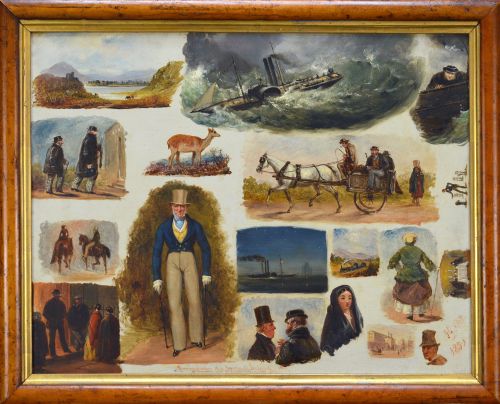
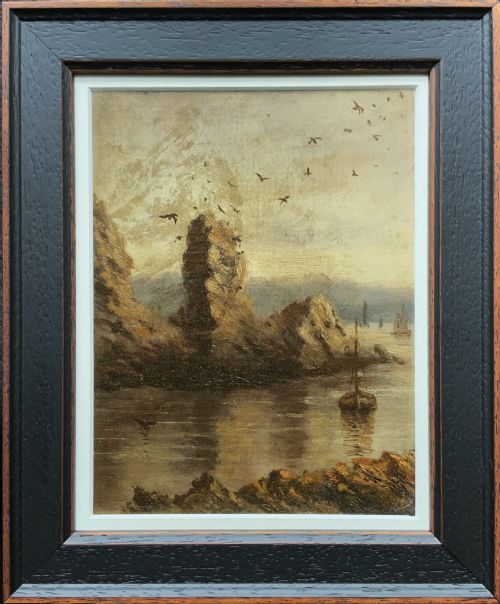
Artists worked in oil paint on canvas or board, alongside watercolours on paper, capturing seascapes and harbour scenes. Precision instrument makers combined brass, glass, and wood to construct functional barometers, theodolites, and chronometers.
Victorian Maritime Retail Price Guide 2026
Typical asking prices for victorian maritime among the pieces listed under this phrase on Sellingantiques today, from the lower quarter to the upper quarter. They describe what is for sale here now, not the wider market.
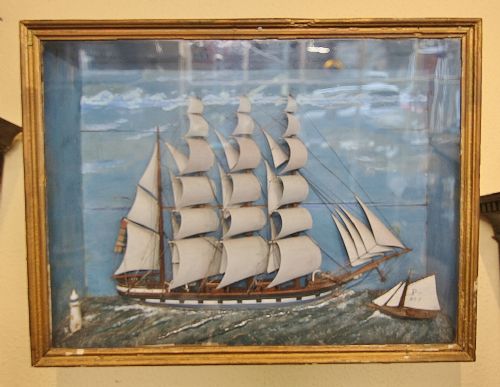
Sailors away on long voyages spent idle hours stitching woolwork pictures of their sweethearts waiting by the lighthouse.
Assessing quality and finish
Quality in these objects rests upon the precision of the maker and the grade of materials selected. Fine scientific instruments feature crisp engraving and intact glass, while superior chests display tight dovetail joints and original brass hardware.
Paintings vary according to the skill of the artist in rendering light, water, and vessel rigging accurately. Pieces signed by documented artists or produced by established instrument makers command greater recognition.
Mercer of London·Negretti and Zambra·James Orrock·James Smetham·William McAlpine·William Banks Fortescue·John Rose Miles·William Broome·Francis Moltino·Hector Caffieri·Bernard Benedict Hemy·Thomas Creswick·TB Hardy·Gaupp and Co·John Wilson Carmichael·J Sewill
The Victorian Maritime Glossary
- Campaign chest
- A modular storage trunk built in sections with recessed brass handles for military officers and travellers on the move. These chests split into two or more parts for easier transport.
- Barometer
- A scientific instrument used to measure atmospheric pressure for weather forecasting at sea. Examples from this period often feature brass cases and mounted thermometers.
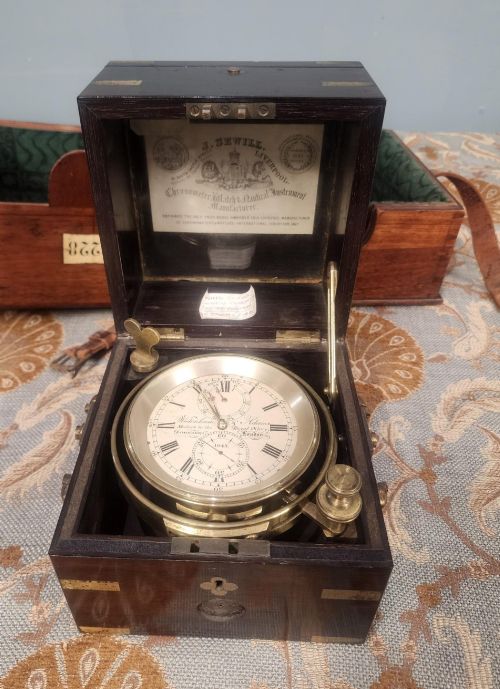
- Chronometer
- A highly accurate timekeeper used at sea for determining longitude. Makers mounted these in gimbals to keep the dial level despite ship movement.
- Sunderland lustre
- A type of earthenware pottery featuring a pink mottled metallic glaze, frequently decorated with transfer prints of sailing ships. These jugs were popular souvenirs in coastal towns.
- Woolie
- A piece of maritime folk art created by sailors using wool embroidery on canvas to depict ships. These works often incorporated cotton threads and padded elements for texture.
Victorian Maritime: Frequently Asked Questions
How do barometers work?
Barometers measure atmospheric pressure by balancing the weight of mercury or through an enclosed metal capsule that expands with pressure changes. Mariners relied on these readings to anticipate incoming storms.
Victorian instruments were mounted in brass or wood cases designed for bulkheads or desk placement. Their dials often included weather descriptors alongside numerical measurements.
Who painted these seascapes?
Marine paintings were produced by professional artists, naval officers, and local watercolourists recording British coastal scenes, shipwrecks, and harbour views. Many exhibited at major galleries during the nineteenth century.
Subjects ranged from merchant vessels in rough seas to naval engagements and quiet fishing boats. Signed works by documented painters provide a clear record of maritime history.
Why use camphor wood?
Camphor wood was selected for campaign chests because its natural aromatic oil repels insects and resists damp conditions at sea. This protected contents from mould and pests during long voyages.
The distinct fragrance remains a characteristic feature of these antique chests today. Cabinetmakers valued its stability and grain when constructing heavy storage trunks.