







Antique Ships Wheel
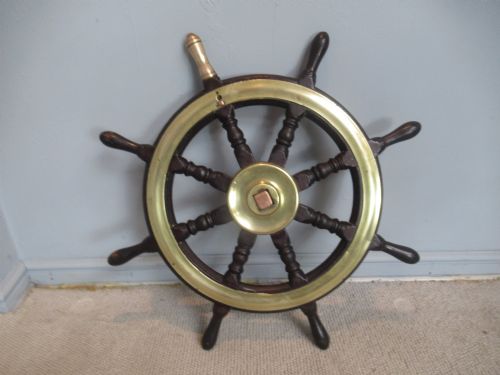
An antique ships wheel brings solid maritime presence into a room, built from heavy timbers and brass that once guided vessels.
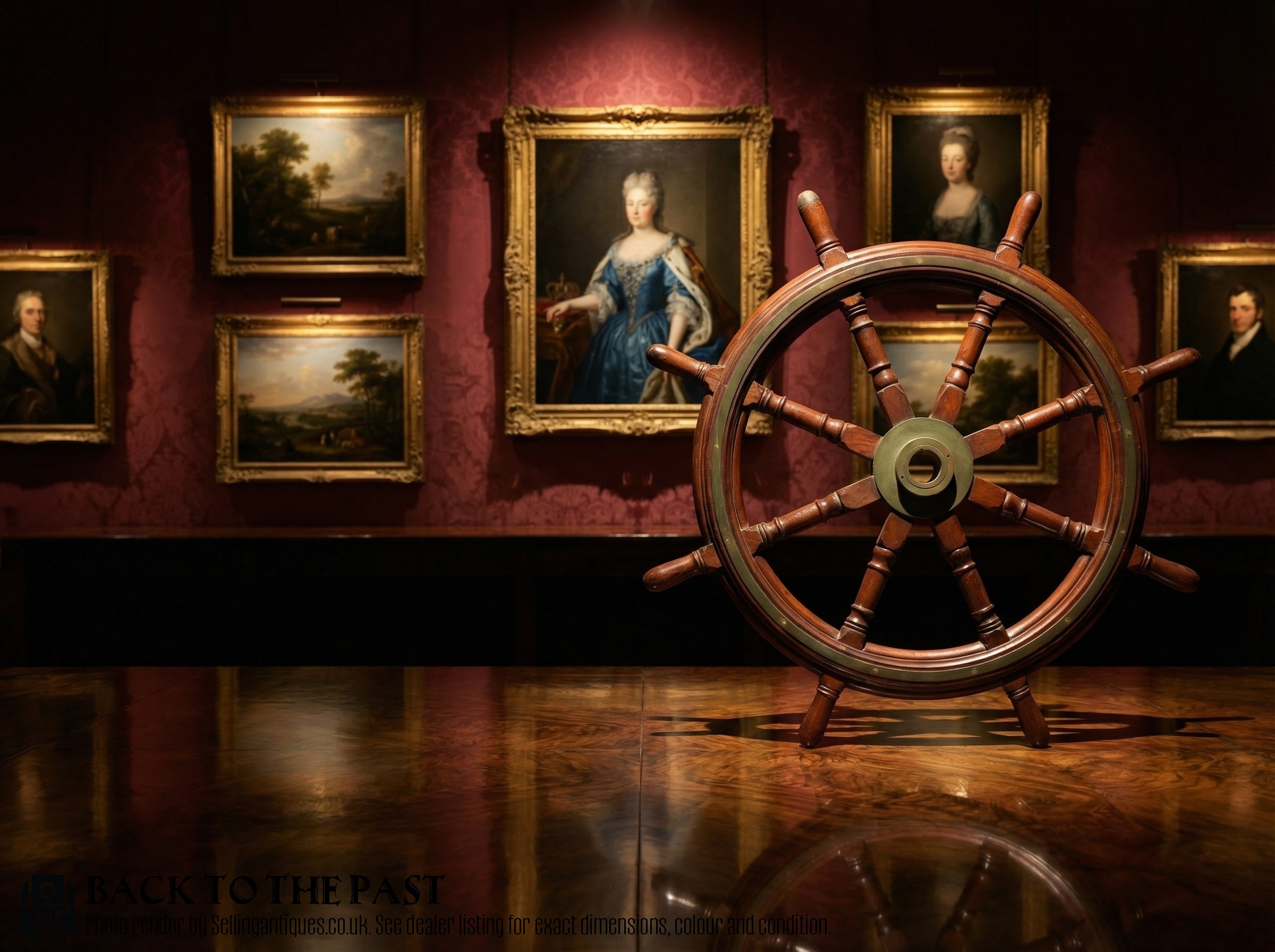
Antique Ships Wheel
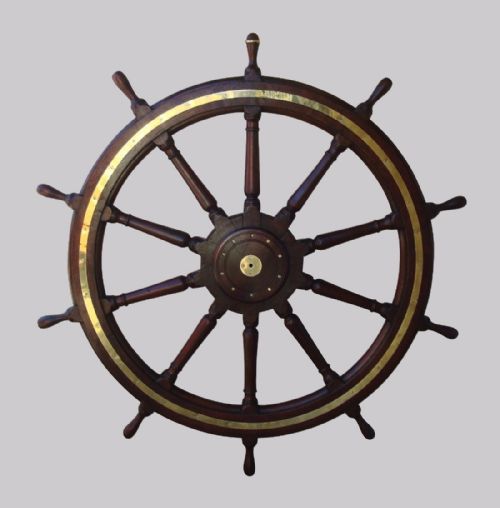
When you search for an antique ships wheel, you encounter timber steering helms alongside desk clocks, mantel timepieces, and wine coasters styled with marine motifs. The primary forms on this page range from small Welsh examples in deep red paint to large teak and brass steering wheels spanning several feet across.
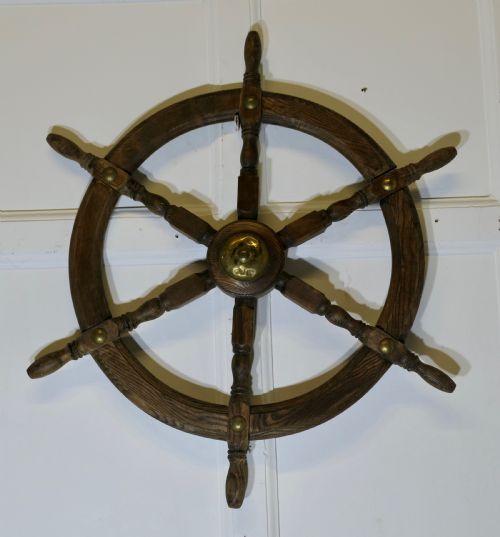
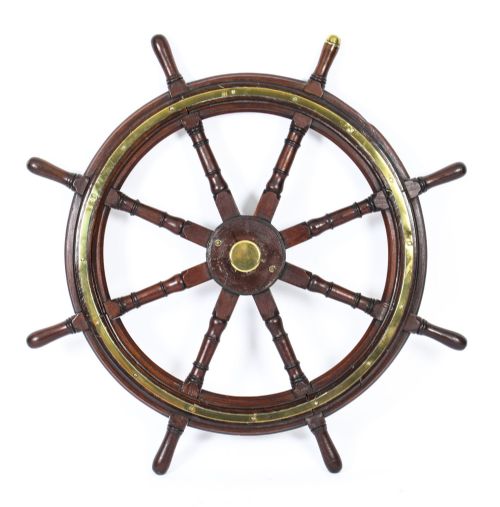
These items emerge from various periods, predominantly the nineteenth century and the Victorian era, carrying distinct regional and workshop traits. You will find standard eight-spoke and six-spoke timber helms alongside French mantel clocks and desk accessories fashioned into the shape of the wheel.
The selection bridges practical maritime equipment and decorative domestic objects adapted from naval themes. Whether looking for a substantial teak helm or a smaller Victorian desk clock, each piece reflects the utilitarian aesthetic of the sea.
Materials and construction
Timbers such as teak, oak, walnut, and hardwood form the primary structure of the large steering helms, selected for their resistance to moisture and wear. These woods are frequently paired with brass for central hubs, rims, and protective bands.
Clockmakers and horologists utilised brass, gilt brass, chrome, and glass to construct desk clocks and mantel timepieces incorporating the wheel motif. Skilled artisans turned the wooden spokes on lathes and joined the heavy felloes to create a balanced, durable wheel.
Antique Ships Wheel Retail Price Guide 2026
Typical asking prices for ships wheel among the pieces listed under this phrase on Sellingantiques today, from the lower quarter to the upper quarter. They describe what is for sale here now, not the wider market.
One unusual nineteenth-century listing pairs an oak and brass ships wheel with Salters scales specifically intended for weighing whale meat.
Assessing quality and authenticity
Quality in a steering helm rests upon the integrity of the timber and the tightness of the joinery where the spokes meet the hub and rim. Teak and oak examples that retain their original surface patination and unpolished brass components show greater fidelity to their working past.
For clockwork variations, the precision of the brass casing and the complexity of the movement, such as four-glass mechanisms or eight-day French escapements, determine the standard of the piece. The crispness of the carved wood and the weight of the metal fittings distinguish robust workshop production from lighter decorative adaptations.
Benson Electric Co USA·Gay Vicarino·Pascall Atkey of Cowes·James Mein of Kelso·Brown Bros Edinburgh
The Antique Ships Wheel Glossary
- Felloe
- The curved segments of wood that form the outer rim of the ships wheel. Multiple felloes are joined together to encircle the spokes.
- Hub
- The solid central wooden or brass block of the wheel through which the turning axle passes. It often houses a brass plate or cap.
- Spoke
- The radial handle projecting from the central hub to the outer rim. Sailors gripped these wooden spokes to steer the vessel.
- Four glass clock
- A timepiece encased in four glass panels that reveals the internal pendulum and mechanism from all sides. These were frequently styled with brass frames and marine motifs.
- Bulkhead clock
- A clock designed to be mounted directly onto the wall of a ship cabin or room. They are typically housed in heavy brass or chrome bezels.
Antique Ships Wheel: Frequently Asked Questions
How do I hang a large ships wheel?
Large timber steering wheels require substantial wall fixings due to their considerable weight in teak and brass. You should secure the mount directly into wall studs or use heavy-duty anchor bolts that can support the outward leverage of the piece.
Positioning the wheel at eye level allows the detail of the turned spokes and central brass hub to be fully visible within the room.
Were these wheels actually used at sea?
Many of the larger wooden helms served active duty on sailing vessels and steamers before retiring to land. Signs of weathering, salt exposure, and heavy handling on the teak and brass surfaces often point to genuine maritime service.
Smaller decorative clocks and tea trolleys incorporated the wheel design for domestic use rather than nautical steering.
How do I clean teak and brass?
You can clean the wooden components of a helm with a soft brush and a light application of beeswax to nourish the dry timber. Avoid harsh chemical strippers that remove the historic surface patination.
Polish the brass hubs and rims gently with a non-abrasive cloth to maintain their lustre without stripping away aged character.
How do I date an antique ships wheel?
Dating relies on examining the wood species, construction methods, and any metal plaques or stamps on the hub. Nineteenth-century examples often feature hand-turned spokes and heavy brass plating characteristic of Victorian naval manufacturing.
Later pieces from the early twentieth century may incorporate machine-tooled fittings and alternative timbers like oak or processed hardwood.