





Vintage Ship Wheel
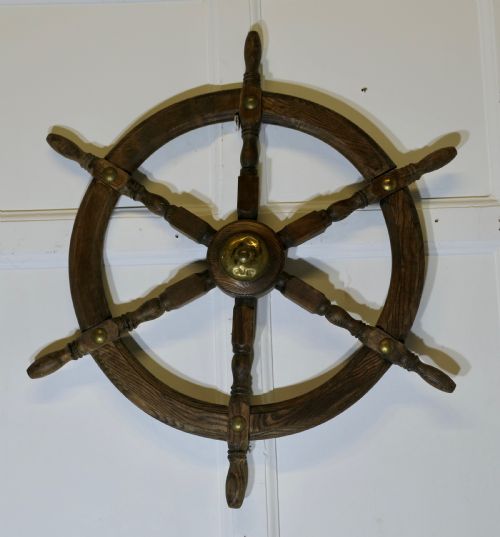
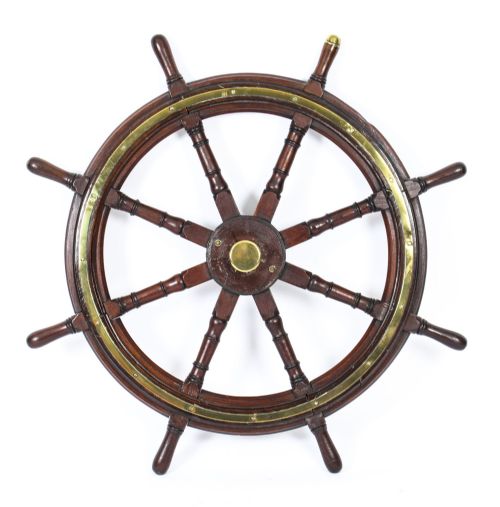
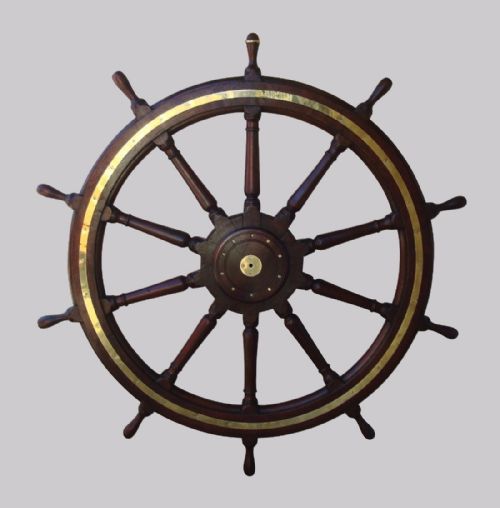
A vintage ship wheel brings authentic maritime character into a room, serving as a bold focal point crafted from sturdy hardwoods and gleaming brass.
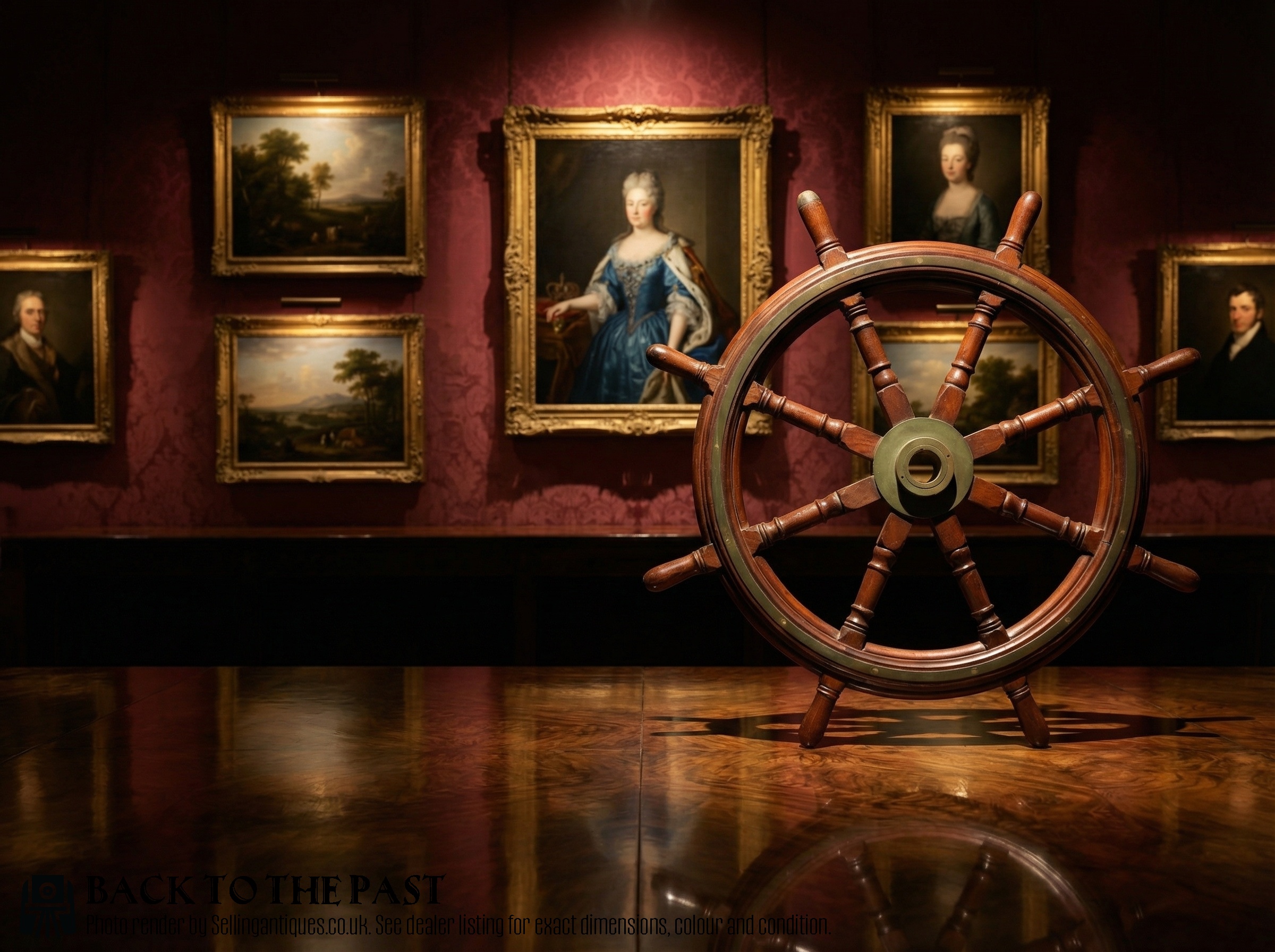
Vintage Ship Wheel
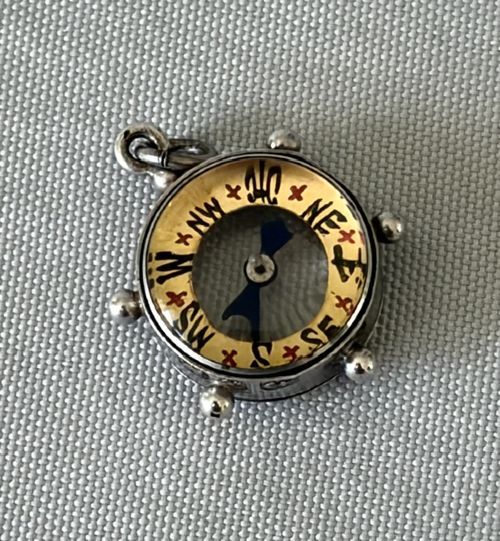
A vintage ship wheel represents the traditional helm used to navigate vessels, appearing on this page in forms ranging from full-sized timber steering wheels to intricate mantel and desk clocks framed in brass or glass. These pieces span the nineteenth and early twentieth centuries, reflecting both working maritime origins and decorative domestic interpretations.
The version most commonly met here is the large teak or oak steering wheel featuring multiple spokes, alongside smaller nineteenth-century French clock variants that incorporate wheel motifs into mantelpieces. Buyers encounter objects originating from Welsh workshops to American electric companies, each carrying distinct regional characteristics from the Victorian era and beyond.
Beyond functional helms, the category encompasses specialised nautical accessories such as bulkhead clocks, barometers, and tea trolleys constructed from salvaged naval materials. These items bridge the gap between heavy industrial utility and refined interior decoration, suiting studies, hallways, and living spaces alike.
Materials and construction
Construction relies heavily on durable timbers like teak and oak, selected for their resilience against marine environments and finished with traditional joinery around the central hub and spokes. Metal components typically involve cast brass, gilt brass, or chrome, providing robust mounts, bezels, and hubs that withstand heavy daily handling.
Many items incorporate glass and enamel dials, particularly within the clock and barometer variants, where delicate painted numerals contrast against heavy metallic housings. Surface treatments range from untouched painted timber finishes in deep reds to polished brightwork and rich oiled woods.
Some nineteenth-century sailors converted retired wheels into tea trolleys, ensuring a cup of tea could navigate the living room just as steadily as a frigate.
Judging quality and integrity
Quality reveals itself in the structural integrity of the timber and the crispness of the brass turnings, distinguishing genuine nautical service pieces from later decorative reproductions. The weight of the wood, the original patina on the brass, and the tightness of the joints at each spoke dictate the standard of the piece.
In clock and barometer integrations, the sophistication of the movement and the clarity of the four glass casing or enamel face separate standard decorative items from superior horological examples. Untouched surfaces that retain their historical wear and original paint carry greater authenticity than heavily restored or sanded examples.
Benson Electric Co USA·Gay Vicarino·Pascall Atkey of Cowes
The Vintage Ship Wheel Glossary
- Teak
- A dense, durable tropical hardwood highly resistant to moisture, frequently utilised in marine settings and large steering wheels for its strength.
- Bulkhead clock
- A rugged timepiece designed to be mounted directly to the wall of a ship's cabin, often paired with a matching barometer.
- Four glass clock
- A mantel clock housed within glass panels on all four sides, allowing the mechanical movement and pendulum to be viewed from multiple angles.
- Gilt brass
- Metal that has been treated with a thin layer of gold or gold-coloured wash to provide a bright, decorative finish resistant to tarnishing.
- Spoke
- One of the radiating handles projecting from the central hub of a steering wheel, used by the helmsman to control the rudder.
Vintage Ship Wheel: Frequently Asked Questions
How do I hang a large ship wheel?
Large timber wheels require secure anchoring directly into wall studs using heavy-duty steel brackets or reinforced hanging wire attached behind the central hub. Due to the substantial weight of dense hardwoods like teak, professional wall mounting is recommended.
Ensure the selected wall can support the load and distribute the weight evenly across multiple points to prevent structural strain on the historic wood.
Are these wheels from actual ships?
Many of the full-sized steering helms originated on working vessels during the nineteenth and early twentieth centuries, bearing genuine operational wear and weathering. Other items, such as desk clocks and tea trolleys, utilise salvaged maritime materials or adopt nautical themes for domestic use.
Examining the surface patina, fastenings, and wood density helps determine whether a specific piece served active duty at sea.
How do I care for antique brass and wood?
Maintain timber surfaces by applying natural beeswax sparingly to nourish the dry wood without removing historical patination. Brass components should be dusted gently with a soft cloth, avoiding harsh chemical polishes that strip away age-appropriate oxidation.
Keep the pieces away from direct heat sources and drastic humidity changes to prevent the wood from warping or cracking over time.
How can I date a ship wheel?
Dating relies on examining construction methods, such as hand-turned wooden components, early brass casting techniques, and the specific style of clock movements or lettering on dials. Victorian examples often feature distinct proportions and joinery methods compared to later twentieth-century industrial pieces.
Comparing the materials and hardware against documented periods provides a reliable estimate of the manufacturing era.