




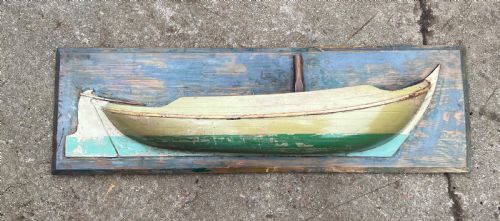


Nautical Wall Hanging
A nautical wall hanging brings the weight of the sea and the craftsmanship of the shipyard straight into a room.
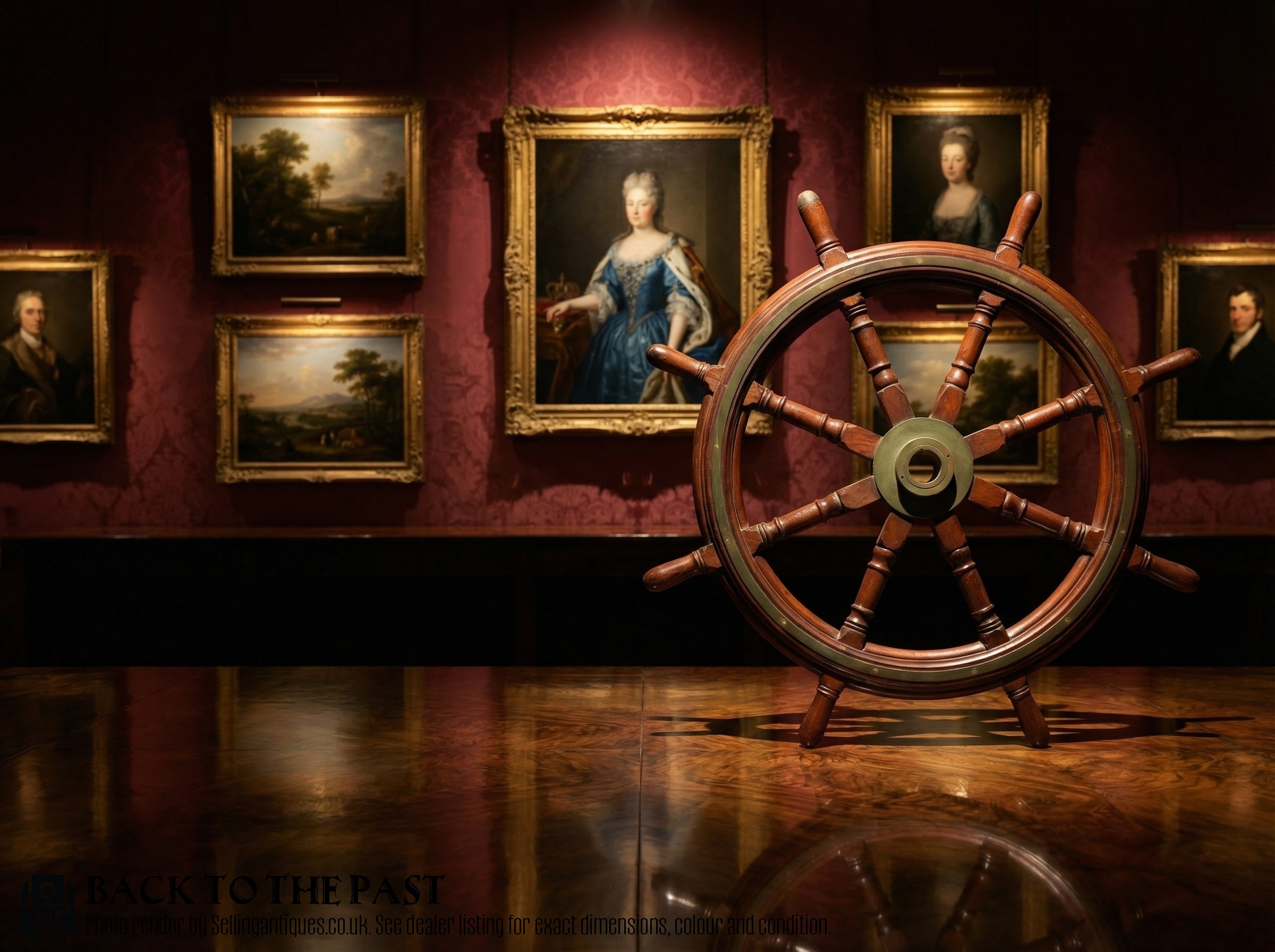
Nautical Wall Hanging
A nautical wall hanging encompasses maritime objects adapted for display, spanning instruments, folk art, and textiles from the nineteenth and early twentieth centuries. These pieces carry the practical history of vessels into domestic spaces through items originally built for utility at sea.
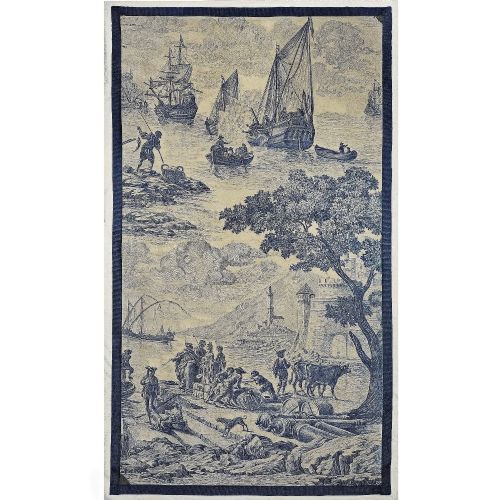
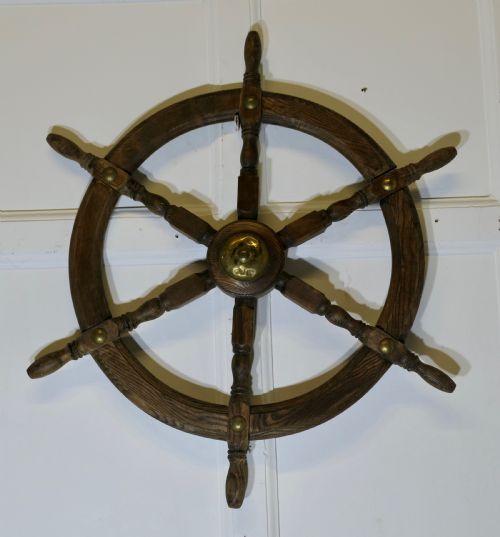
You are most likely to encounter sturdy timber wheels, polished brass bells, barometers, and framed dioramas reflecting Victorian maritime life. Textile panels and oil paintings also appear, offering quieter visual records of ships and coastal scenes.
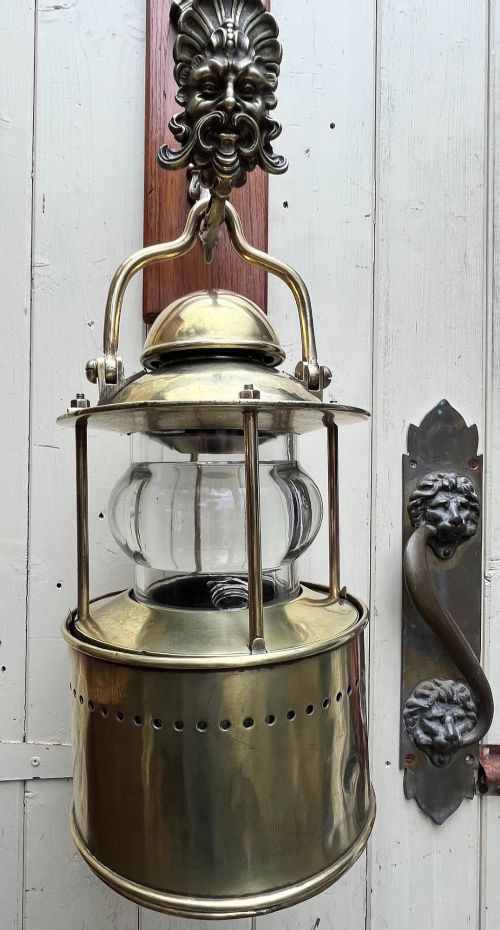
The materials and forms reflect a period when maritime equipment relied on honest, heavy-duty construction. From oak ship's wheels to brass lamps and hanging bells, each item speaks directly to traditional seafaring trades.

How they were made
Makers utilised durable materials suited to harsh marine environments, combining seasoned oak with heavy cast brass and thick glass. Woodwork involved traditional joinery and steam bending, particularly in the construction of large ship's wheels and half models.
Metal components were cast and turned by hand, resulting in substantial brass galleries and mounting brackets designed to withstand constant motion. Textiles such as linen and cotton toile panels were woven and printed using period techniques for interior decoration.
Nautical Wall Hanging Retail Price Guide 2026
Typical asking prices for nautical wall hanging among the pieces listed under this phrase on Sellingantiques today, from the lower quarter to the upper quarter. They describe what is for sale here now, not the wider market.
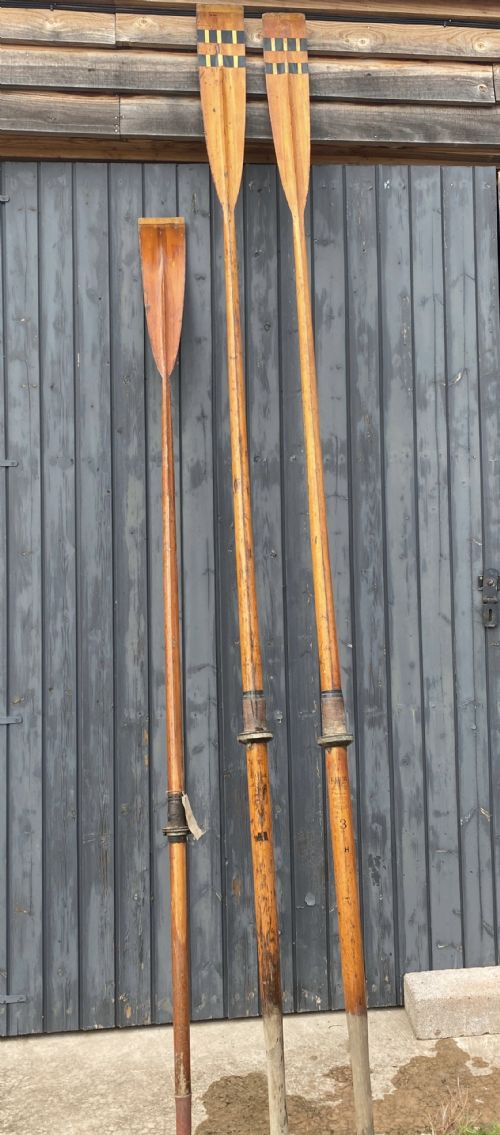
Rowing oars turn up surprisingly often, ready to make you wonder which university crew or lifeboat crew pulled them through the chop.
What varies in quality
The distinction between ordinary items and superior pieces rests entirely on the integrity of the materials and the depth of the original craftsmanship. Solid, uncompromised timber and heavy, substantial brass work immediately set the finer examples apart.
Originality of surface condition dictates the standing of a piece, where untouched patination on wood and metal holds far greater integrity than modern intervention. Detail in folk art construction and the precision of fitted components reveal the hand of a skilled maker.
The Nautical Wall Hanging Glossary
- Diorama
- A three-dimensional scene enclosed in a case, often depicting sailing vessels at sea with detailed rigging. These miniature displays required immense patience from maritime artisans.
- Half model
- A wooden model representing one side of a ship's hull, used by boatbuilders to design vessels. They were mounted on boards to study hull lines and proportions.
- Ship's barometer
- A precision weather-measuring instrument housed in a timber case, designed to hang securely on a vessel's bulkhead. The heavy brass fittings kept the movement stable during rough weather.
- Toile
- A fabric featuring printed pastoral or marine scenes, typically monochromatic on a light linen or cotton background. This textile tradition decorated period interiors with scenic repeats.
- Brass gallery
- A protective rail fitted around shelves or fixtures to keep items from sliding off at sea. The solid cast metal adds both structural security and visual weight.
Nautical Wall Hanging: Frequently Asked Questions
What is a nautical wall hanging?
A nautical wall hanging is an authentic maritime artefact, such as a ship's wheel, barometer, bell, or diorama, repurposed for interior display.
These pieces connect modern rooms with the traditions of nineteenth and early twentieth-century seafaring life.
How do I date a maritime piece?
Dating relies on identifying period materials, construction techniques, and stylistic markers specific to the Victorian and Edwardian eras.
Examining the type of brass casting, wood seasoning, and joinery provides clear clues to the decade of manufacture.
Where should I hang heavy items?
Heavy brass bells, barometers, and timber wheels require secure anchoring directly into wall studs or solid masonry.
The substantial weight of these genuine marine objects demands fixings rated well beyond standard domestic hooks.
What materials are most common?
The most frequent materials found in these pieces are seasoned oak, heavy cast brass, thick glass, and woven linen.
These substances were chosen by shipbuilders for their resilience against damp and constant motion at sea.