





Nautical Ship Wheel
A nautical ship wheel brings authentic maritime character indoors, offering tactile history through sturdy timber and brass construction.
Nautical Ship Wheel
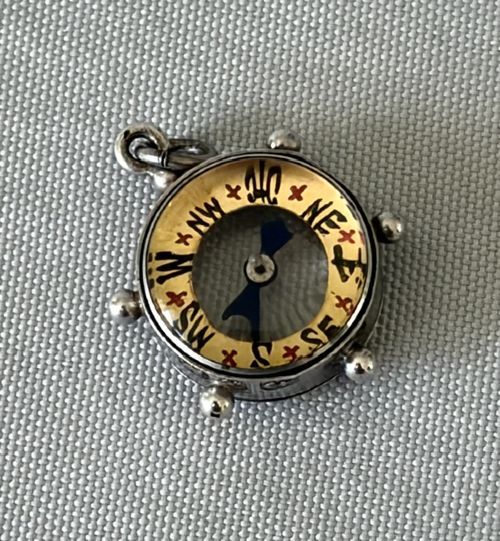
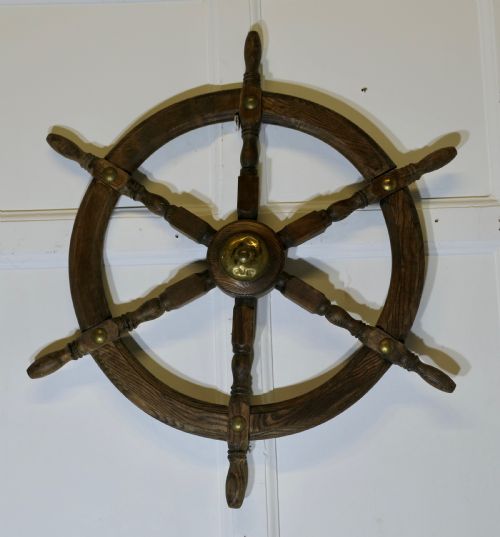
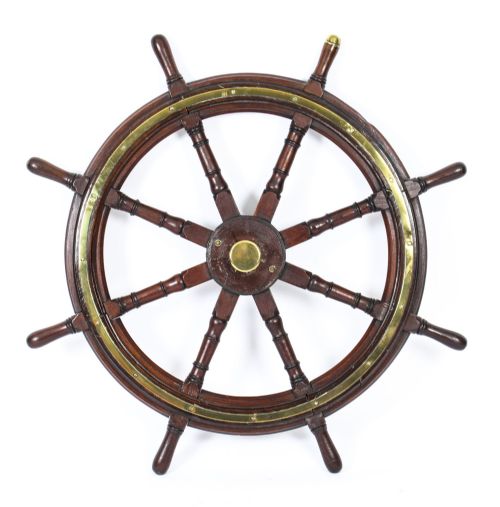
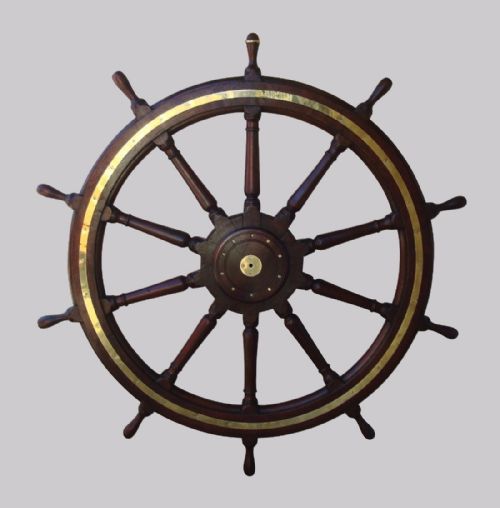
When you search for a nautical ship wheel, you encounter a distinct blend of functional marine gear and decorative timepieces spanning the nineteenth and early twentieth centuries. These objects range from massive teak steering wheels salvaged from vessels to intricate desk timepieces and mantel clocks styled with helm motifs.
The items on this page primarily consist of full-sized wooden steering wheels alongside smaller French four glass mantle clocks, industrial desk clocks, and bulkhead instruments. Teak and hardwood construction dominates the larger helms, while brass, gilt brass, and glass characterise the smaller desk and mantel pieces.
Origins stretch from British and Welsh workshops to French horological makers and American electric companies. Buyers frequently select these pieces to anchor a maritime theme in a room, choosing between large functional wheels and refined Victorian novelty timepieces.
What varies in quality
The grade of materials defines the distinction between standard production and superior examples, particularly in the selection of seasoned teak versus softer woods. Original metal fittings, untouched surface patination, and the complexity of associated movements such as Guilmet industrial series mechanisms elevate individual pieces.
Precision in joinery and the integrity of glass or enamel dials dictate overall refinement in clockwork versions. The presence of identifiable maker signatures or retail markings adds historical weight to an object.
Several desk clocks are designed to revolve on their stands, letting you spin the helm while checking the hour.
Benson Electric Co USA·Gay Vicarino·Pascall Atkey of Cowes·Guilmet
The Nautical Ship Wheel Glossary
- Bulkhead clock
- A marine clock designed to be mounted directly onto the wall of a ship cabin or room. These round timepieces often feature brass housings and secure bezel fixings.
- Four glass clock
- A mantel clock featuring glass panels on all four sides to expose the internal pendulum and movement. French makers frequently integrated ship wheel motifs into these designs during the nineteenth century.
- Industrial series
- A group of mechanical clocks and instruments produced with visible gears and heavy metal frames. These pieces reflect late nineteenth-century engineering aesthetics.
- Desk timepiece
- A portable clock intended for placement on a flat surface rather than a wall or mantel. Many nautical examples incorporate revolving wheel designs or barometer pairings.
Nautical Ship Wheel: Frequently Asked Questions
How do I date a wooden ship wheel?
Dating relies on timber selection, construction methods, and hardware styles found across nineteenth and early twentieth-century examples. Teak and oak framing often display wear patterns consistent with their period of origin.
Examining the metal fastenings and central boss provides further clues to the manufacturing decade. Comparing these elements with documented regional styles helps narrow down the timeframe.
Where were these desk clocks used?
Smaller timepiece versions were designed for domestic studies, offices, or captain quarters during the Victorian era. Their novelty forms served as conversation pieces for maritime enthusiasts.
They function equally well on modern mantelpieces or desks to introduce a subtle nautical element without requiring excessive floor space.
Are all large wheels functional steering helms?
Many large wooden wheels served active duty on vessels before retirement into decorative service. Others were constructed specifically as maritime decor for coastal homes.
Checking the weight, timber density, and brass boss construction helps distinguish working helms from decorative wall items.
How do I care for teak and brass?
Maintain the timber with light applications of natural wax to preserve the dry surface texture without creating artificial gloss. Avoid harsh chemical cleaners that strip the historic patination.
Brass components benefit from gentle dusting and occasional careful polishing only if removal of oxidation is desired by the owner.