








Wooden Ship Model
These wooden ship model pieces capture maritime history in miniature, offering intricate hand-carved vessels that bring nautical charm into any room.
Wooden Ship Model
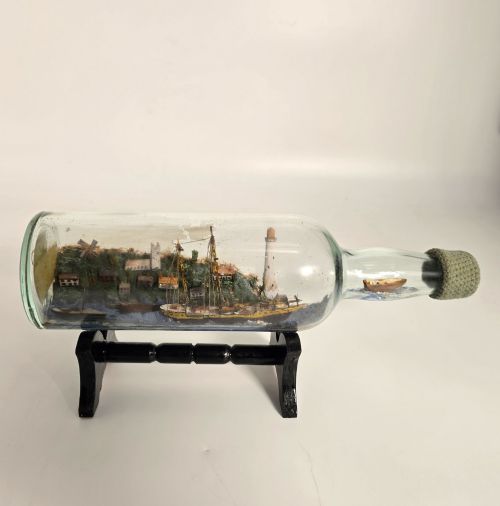
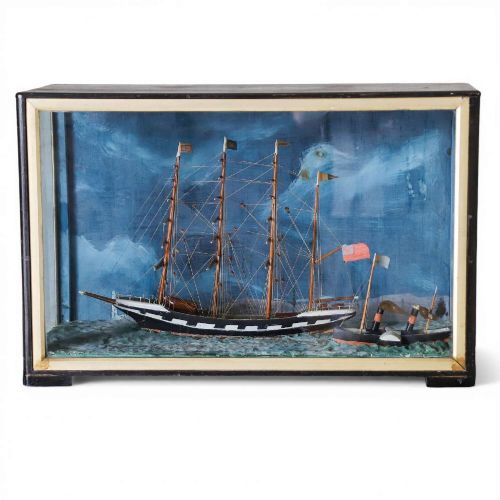
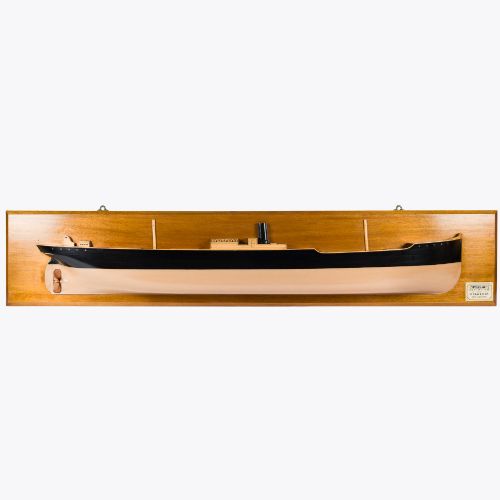
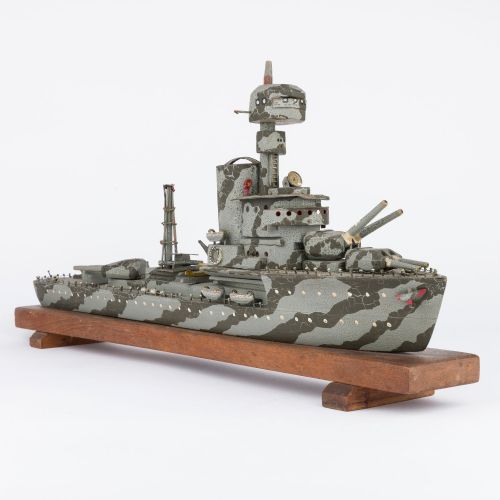
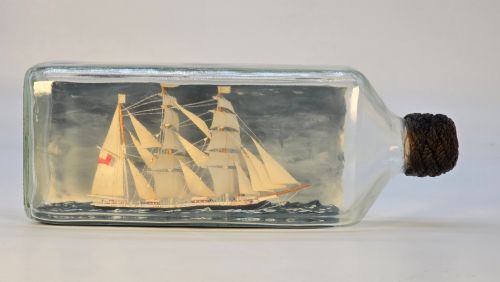
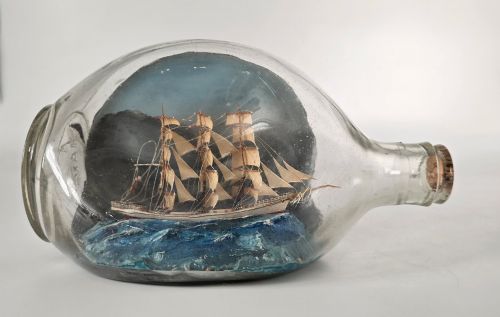
When you search for a wooden ship model, you encounter a fascinating range of maritime objects spanning the nineteenth century through the early twentieth century. These items include cased dioramas, pond yachts, half hull builders' examples, and intricate vessels enclosed within glass bottles.
The most common versions met on this page are nineteenth-century folk art dioramas and scratch-built sailing ships set inside glazed boxes or wooden frames. Examples range from naive depictions of British and French vessels to detailed scale models of named historical ships.
Makers produced these works in varied forms, incorporating shadow boxes, glass bottles, and wooden plinths. Collectors find both working pond yachts designed for open water and decorative models built purely for display.
How they were made
Artisans constructed these pieces primarily from wood, frequently utilising carved mahogany, sycamore, and pine for hulls and decks. They added fine detail using brass, metal, canvas for sails, and thread or cordage for rigging.
Makers applied paint to delineate water, hulls, and flags, while straw work and glass completed enclosed shadow boxes and bottles. Shipwrights also shaped laminated half hulls for commercial design purposes before translating them into full models.
Wooden Ship Model Retail Price Guide 2026
Typical asking prices for wooden ship model among the pieces listed under this phrase on Sellingantiques today, from the lower quarter to the upper quarter. They describe what is for sale here now, not the wider market.
Listings feature wood, paint, glass, metal, canvas, brass, thread, and mahogany across nineteenth and early twentieth-century examples.
What varies in quality
The distinction between ordinary and superior pieces rests on the precision of the rigging and the naturalism of the carved hull. Finer examples display meticulous attention to nautical scale, proper block and tackle representation, and convincing painted seascapes.
Another measure of quality involves the complexity of the housing, such as the clarity of the original glass in cased dioramas and the clever engineering required to assemble a full sailing ship inside a narrow bottle neck.
W. Grey & Co·Liverpool Ship Building Co.
The Wooden Ship Model Glossary
- Half hull model
- A three-dimensional representation of one side of a ship's hull, typically mounted on a backboard for design evaluation by shipbuilders. These pieces served practical purposes in shipyards before finding favour as wall displays.
- Maritime diorama
- A three-dimensional display recreating a ship at sea within a cased box, often featuring painted canvas waves and background skies. Makers occasionally added multiple vessels to depict racing scenes or naval engagements.
- Scratch built
- A model constructed entirely from raw materials without the aid of a commercial kit. Artisans cut, shaped, and rigged every component by hand using contemporary plans or direct observation.
- Straw work
- A decorative technique utilising flattened straw blades to create geometric patterns or pictorial backgrounds within antique boxes and frames. This method appears on specialist nineteenth-century folk art pieces.
- Pond yacht
- A large sailing boat model equipped with a weighted keel and steering mechanism designed to sail across open water unguided. These functional toys survive in substantial sizes, frequently retaining their original wooden stands.
Wooden Ship Model: Frequently Asked Questions
How do ships get inside bottles?
Makers hinged the masts and rigging down flat so the vessel could pass through the narrow neck of the bottle. Once inside, they pulled attached threads to raise the masts upright and secured them in place.
This required immense patience and specialised long-handled tools. Artisans then arranged sea foam using putty or painted substances around the hull to complete the illusion.
What is a half hull model?
Shipbuilders carved these longitudinal wooden profiles to test hydrodynamic designs and calculate cargo capacity before laying down a full-scale vessel. The flat back allowed the piece to mount easily on an office wall.
Over time, these functional shipyard tools evolved into decorative items appreciated for their clean lines. They offer a direct link to nineteenth-century naval engineering practices.
Were pond yachts meant for sailing?
Pond yachts were indeed built for active sailing on park lakes and coastal waters. Their weighted keels kept them upright while rudders maintained a straight course across the wind.
Today, collectors value these large wooden boats as sculptural display pieces rather than working toys. Their substantial hulls and original stands make them striking interior focal points.
How are maritime dioramas constructed?
Artisans built shadow boxes using wood and glass to protect fragile rigging from dust and damage. The interior background typically featured painted canvas or paper showing skies and distant shorelines.
Model ships were then positioned amidst sculpted waves made from carved wood, plaster, or painted cloth. This layered approach created a convincing sense of depth and movement on the open ocean.