


Antique Nautical Decor
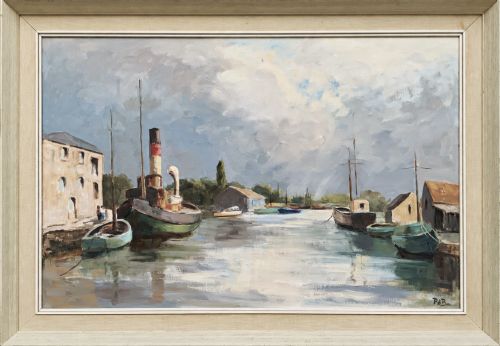
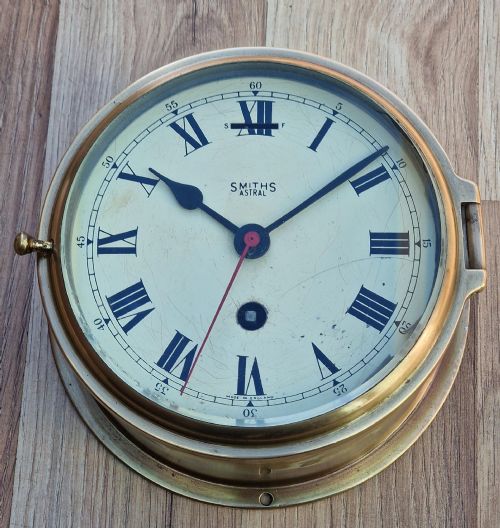
Antique nautical decor brings maritime history indoors through authentic brass port holes, detailed ship dioramas, and functional ships lanterns.
Antique Nautical Decor
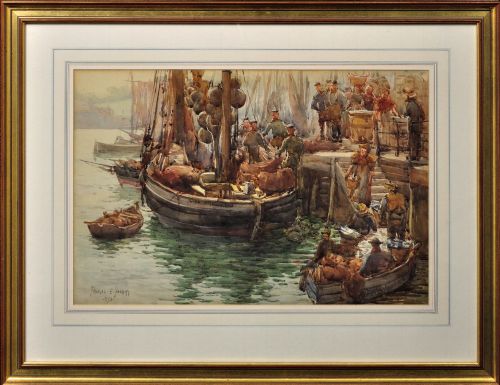
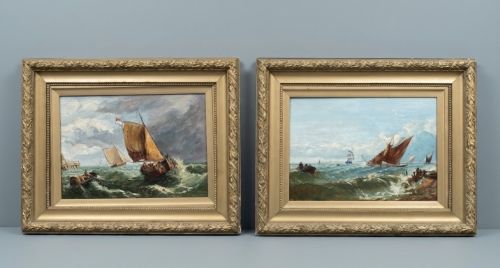
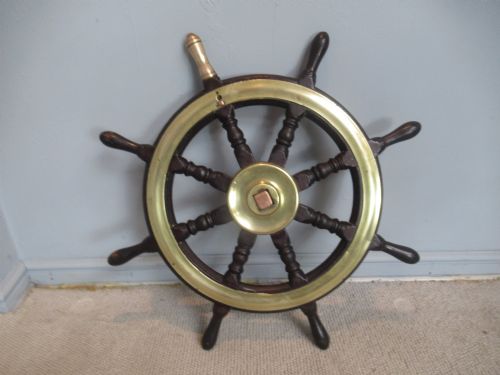
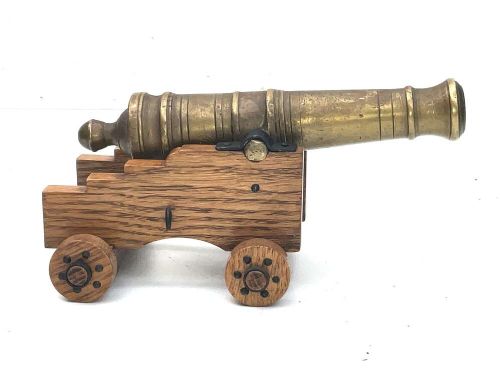
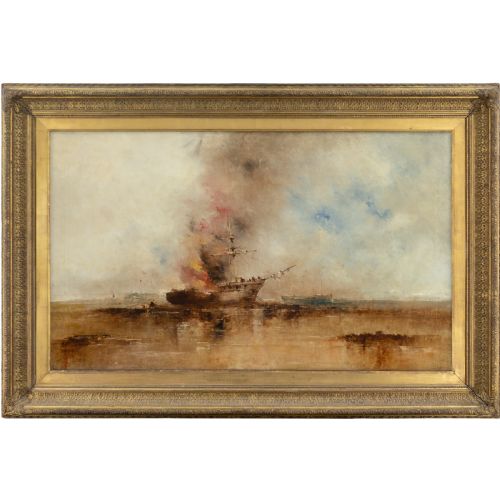
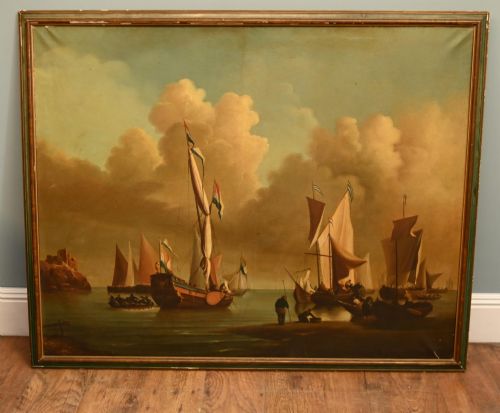
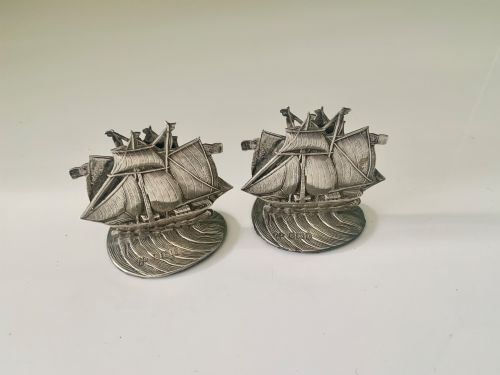
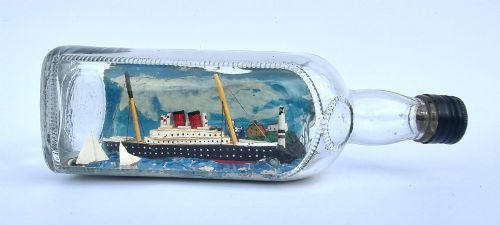
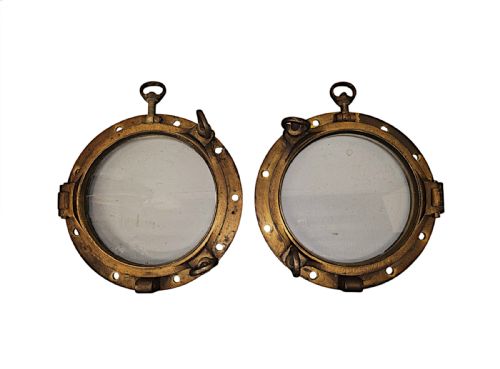
Antique nautical decor encompasses maritime artefacts, architectural salvage, and folk art created to capture the spirit of seafaring life. When exploring antique nautical decor, buyers encounter items ranging from detailed ship in a bottle dioramas to heavy brass port holes and large pond yachts.
The objects originate from various periods including the nineteenth century and the Edwardian era, reflecting both working vessel equipment and decorative folk art. Maritime dioramas and scale models of anchors or ships dominate the selection available to collectors.
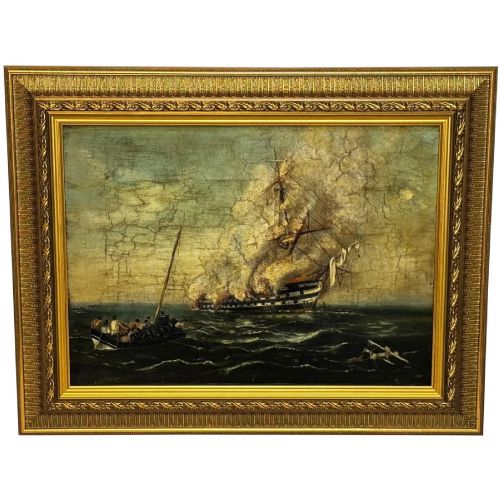
Maritime folk art pieces often showcase the ingenuity of sailors and coastal craftspeople who utilised wood, glass, canvas, and metal. These works bridge the gap between functional marine hardware and display pieces intended for domestic interiors.
How they were made
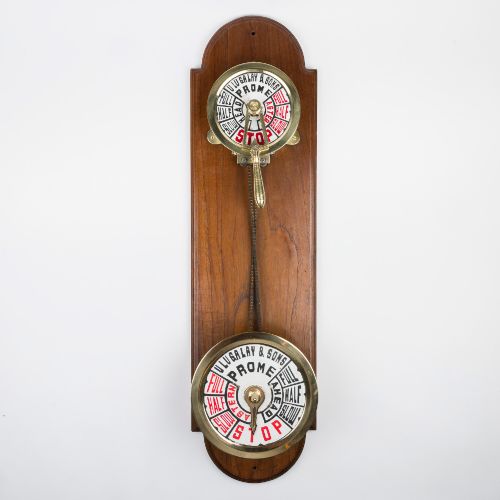
Maker construction relies heavily on durable metals such as brass and copper, cast and finished for marine environments. Ships lanterns combine sheet metal with thick glass lenses designed to withstand harsh weather at sea.
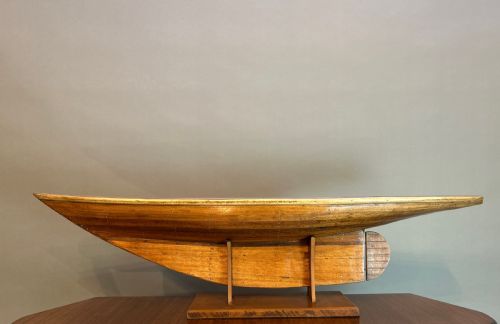
Folk art dioramas and ship models utilise wood, paint, putty, and canvas to construct miniature vessels and realistic sea waves. Half hull models are carved from pine to display the precise lines of full-scale ships.
Makers shaped heavy brass port holes and anchors to endure saltwater conditions, resulting in robust objects that retain their structural integrity over generations.
Antique Nautical Decor Retail Price Guide 2026
Typical asking prices for nautical decor among the pieces listed under this phrase on Sellingantiques today, from the lower quarter to the upper quarter. They describe what is for sale here now, not the wider market.
What varies in quality
Quality in these items rests upon the precision of the model maker and the preservation of original materials. Scale models and dioramas that retain their original paint and intricate rigging demonstrate superior craftsmanship compared to heavily restored examples.
The grade of materials also dictates standing, with heavy cast brass and copper components showing greater substance than lighter substitutes. Patina accumulated through age distinguishes genuine working pieces from decorative reproductions.
The Antique Nautical Decor Glossary
- Port hole
- A circular window used on ships to let in light and air. These heavy brass frames are mounted with thick glass.
- Half hull model
- A wooden representation of one side of a ship's hull used by designers to visualise vessel lines. These pine objects are typically mounted on boards for display.
- Diorama
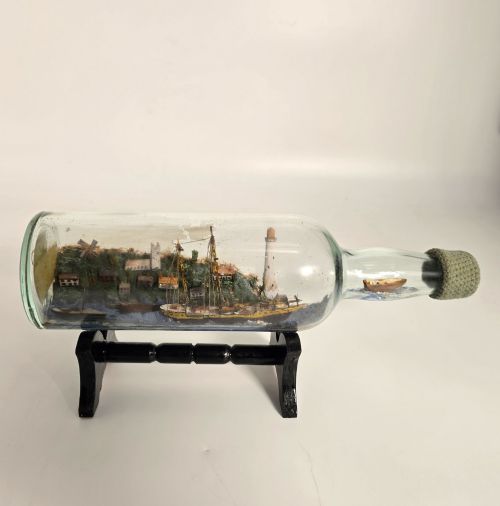
- A three-dimensional scene depicting a ship at sea, often housed inside a glass bottle or wooden case. Folk art examples incorporate painted canvas and putty to simulate waves.
- Ships lantern
- A lighting fixture utilised on vessels for navigation and signalling. They combine copper, brass, and heavy glass lenses.
- Maritime folk art
- Decorative objects created by sailors or coastal inhabitants using readily available materials. These pieces reflect traditional crafts associated with the sea.
Antique Nautical Decor: Frequently Asked Questions
What is antique nautical decor?
Antique nautical decor consists of authentic items salvaged from ships or created as maritime folk art. These objects include brass port holes, ships lanterns, model ships, and dioramas.
Collectors seek these pieces to add maritime character and historical depth to interiors. The category spans functional marine hardware and delicate scale models.
How were ship dioramas made?
Makers constructed ship dioramas inside bottles or cases using wood, canvas, paint, and putty. The materials were shaped to replicate hulls, sails, and realistic sea waves.
Sailors and coastal folk artists produced many of these detailed scenes during quiet hours at sea or in shore workshops.
What materials are common in marine antiques?
Common materials include brass, copper, wood, glass, canvas, and paint. These substances were chosen for their durability in marine environments.
Over time, exposure to elements gives metals like brass and copper a distinctive patina that appeals to collectors.