





Brass Ships Lamp
These brass ships lamp examples bring utilitarian maritime history indoors, offering robust construction and gleaming metalwork that suit contemporary and traditional interiors alike.
Brass Ships Lamp
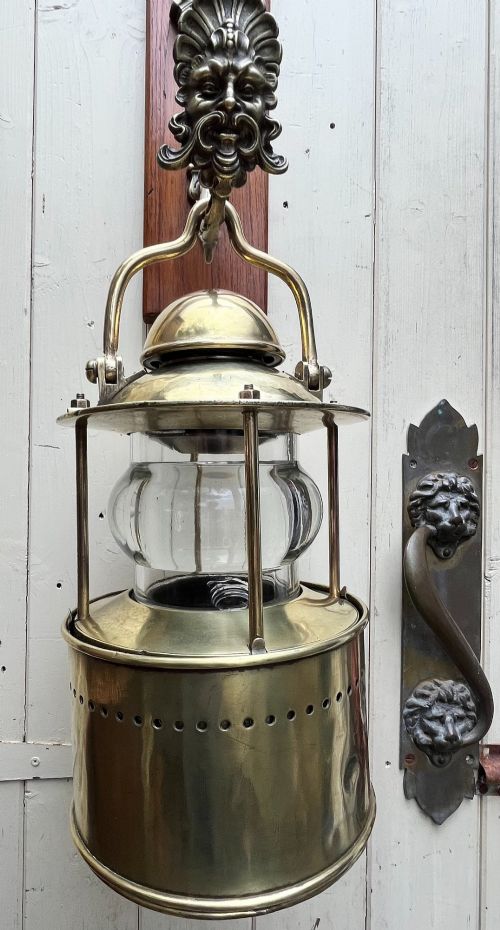
A brass ships lamp is a heavy-duty maritime lighting fixture designed to withstand harsh marine environments while remaining functional aboard vessels. When searching for a brass ships lamp, buyers typically encounter table lamps, wall lanterns, and gimbal lights originating from the late nineteenth century through to the mid twentieth century.
The selection ranges from Victorian and Edwardian examples to 1940s pieces, incorporating styles described as maritime and nautical. Many incorporate gimbal mechanisms that allowed the lamp to stay level despite the roll of a ship.
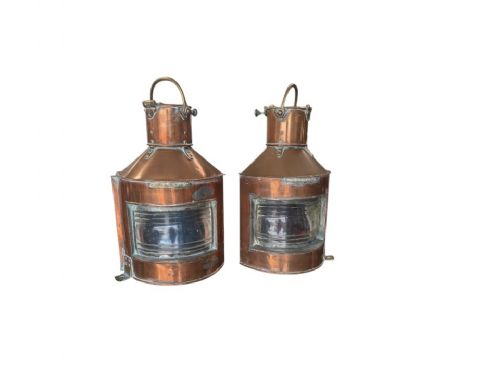
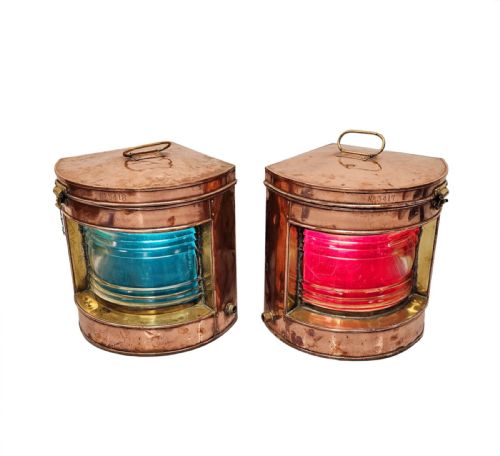
Most pieces seen here combine brass with copper, glass, and nickel plating, reflecting their working origins at sea. Buyers find both simple table lamps and specialised port and starboard lanterns intended for practical navigation.
Materials and Construction
Makers constructed these fixtures using durable metals such as brass, copper, and nickel-plated brass to resist corrosion in marine conditions. Heavy casting and riveted sheet metal ensure structural strength.
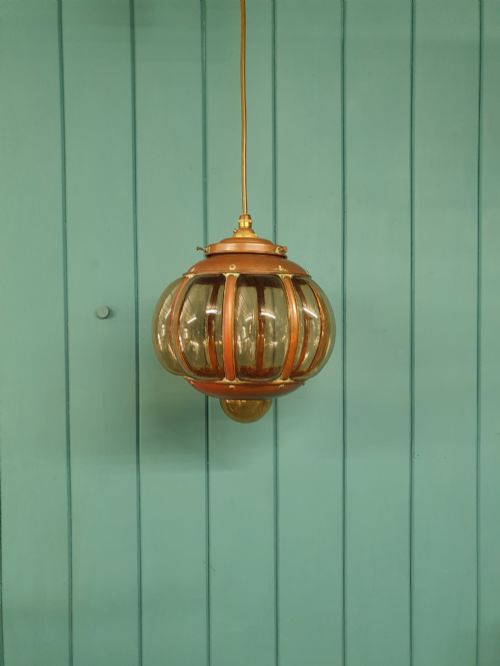
Transparent and smoked glass elements protect the flame or bulb while diffusing light evenly across deck or cabin spaces. Gimbal rings and weighted iron or brass bases provide balance during movement.
Brass Ships Lamp Retail Price Guide 2026
Typical asking prices for brass ships lamp among the pieces listed under this phrase on Sellingantiques today, from the lower quarter to the upper quarter. They describe what is for sale here now, not the wider market.
Evaluating Quality
Quality in a maritime lamp rests on the heft of the metal casting and the crispness of maker markings. Finer pieces display substantial brass or copper thickness and sophisticated gimbal engineering that moves smoothly.
The integrity of original plating, the clarity of heavy glass lenses, and the retention of maker plates elevate certain examples. Simpler utilitarian designs sit lower in the range, lacking the refined finish of marked maker pieces.
Alderson & Gyde Ltd·William McGeoch & Co
The Brass Ships Lamp Glossary
- Gimbal
- A pivoted support ring that allows a lamp to remain upright regardless of the motion of a ship or train. This mechanical feature is crucial for maintaining steady illumination on rolling decks.
- Port and Starboard
- Nautical terms designating the left and right sides of a vessel respectively. Lanterns made for these positions often feature distinct red and green or clear lenses.
- Electrolier
- A light fixture designed specifically to hold electric lamps rather than burning oil or paraffin. These conversions frequently date from mid-century updates to older lighting forms.
- Patina
- The surface sheen and oxidation that develops on metals over decades of exposure to air and handling. Collectors value a natural, undisturbed patina as evidence of genuine age.
- Pendant Light
- A hanging light fixture suspended from the ceiling by a cord, chain, or metal rod. These direct illumination downwards into cabins or working spaces.
Brass Ships Lamp: Frequently Asked Questions
What is a gimbal lamp?
A gimbal lamp uses a set of concentric rings and pivots to keep the body of the light hanging level. This prevented oil lamps from spilling when the vessel pitched or rolled.
They were mounted on bulkheads in cabins or placed on tables where steady light was essential for navigation.
How were these lamps powered originally?
Most early examples burned oil or paraffin within a sealed burner unit protected by heavy glass. The flame provided steady illumination for crew quarters and operational areas.
Many surviving pieces have since been converted to electricity for modern domestic use.
How do I date a brass ships lamp?
Dating relies on stylistic clues, mounting types, and maker stamps or patent numbers stamped into the metal. Edwardian and Victorian pieces often show heavier cast brass components and specific port or starboard lens configurations.
Later mid-century examples incorporate different plating techniques and simplified construction methods.
Where should I place one at home?
These lamps suit studies, hallways, or living spaces where a robust industrial aesthetic works well. Table and gimbal versions sit securely on desks or sideboards.
Wall-mounted lanterns can be installed in hallways to provide focused accent lighting.