


Heavy Brass Scuttle
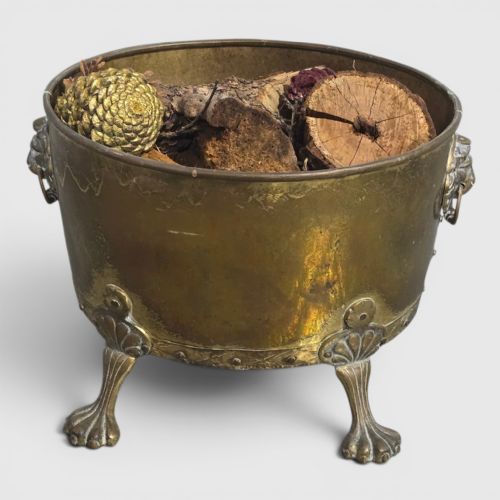
A heavy brass scuttle brings warmth and practical weight to a hearth, combining robust utility with enduring metalwork.
Heavy Brass Scuttle
A heavy brass scuttle forms part of the fireplace accessories and coal buckets found across the nineteenth century and into the twentieth. These items serve as functional vessels for fuel storage near the fire.
The varieties on this page encompass coal buckets, log bins, and copper coal helmets from Victorian periods and later decades. Pieces range from straightforward metal log bins to more decorative forms.
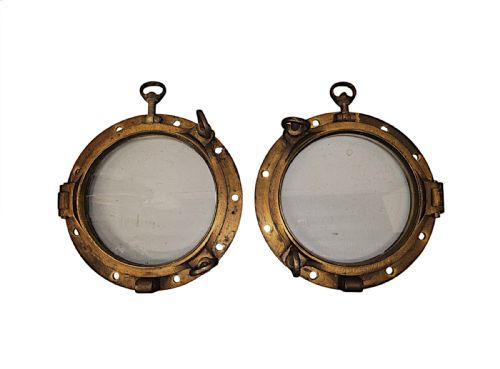
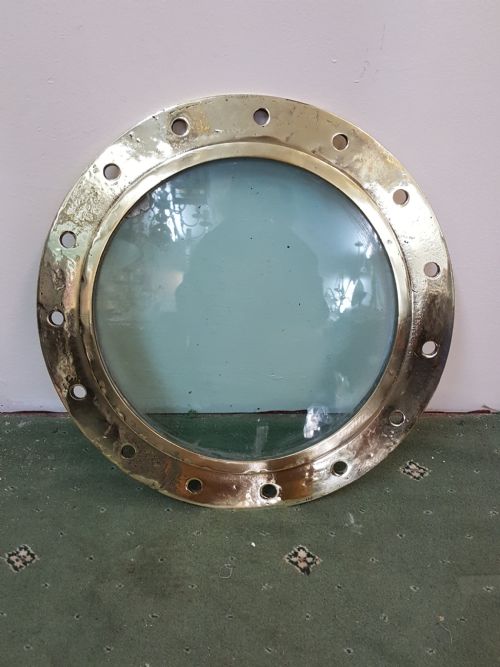
Makers and origins stretch from British workshops to Anglo-Indian and Indo-Persian designs. Buyers encounter robust buckets and pails alongside related nautical items such as ship portholes.
How they were made
Construction relies primarily on brass and copper, frequently combined with iron and cast brass elements for structural strength. Metalworkers shaped sheet brass and copper into deep vessels designed to hold heavy loads of coal and logs.
Techniques range from traditional British metalworking to specific stylistic traditions including Art Deco dinanderie and Anglo-Indian craftsmanship. Surface finishes vary from polished brass to patinated copper surfaces.
Ship portholes occasionally share space with coal scuttles, proving that maritime hardware found a second life beside the Victorian hearth.
What varies in quality
Quality reveals itself in the thickness of the metal sheet and the sturdiness of the construction. Substantial gauge brass and copper ensure the vessel withstands daily fireside use without buckling.
Artistry in handles, fixings, and decorative surface work distinguishes standard utilitarian containers from finer examples. Maker attribution also elevates the standing of specific pieces.
William Soutter & Sons
The Heavy Brass Scuttle Glossary
- Dinanderie
- A French term for articles of brass or copper ware, often associated with beaten metalwork and decorative finishes. This technique appears on Art Deco vessels.
- Coal scuttle
- A container specifically designed for holding and carrying coal to a fireplace. These vessels often feature a slanted opening or a hinged lid.
- Log bin
- A large receptacle used for storing firewood indoors near a hearth. They are typically wider than coal buckets to accommodate logs.
- Porthole
- A circular window used on ships to let in light and air. Examples made of brass appear alongside maritime fireplace accessories.
- Campaign bucket
- A portable container originally designed for travel or military campaigns abroad. These pieces often feature sturdy drop handles.
Heavy Brass Scuttle: Frequently Asked Questions
What is a heavy brass scuttle used for?
These vessels were designed primarily to hold and transport coal for open fires in nineteenth and early twentieth century homes. Their robust metal construction easily handled the weight of heavy fuel.
Today, many buyers repurpose them beside modern fireplaces as decorative storage for logs, kindling, or even as umbrella stands in hallways.
How do I identify a Victorian piece?
Victorian examples often display heavier gauge brass, traditional hand-beaten construction, and specific handle fixings typical of nineteenth century metalwork. Design motifs reflect the aesthetic preferences of the period.
Examining the construction methods and any associated maker marks helps confirm the era of manufacture alongside stylistic cues.
Are copper and brass scuttles different?
While both metals appear frequently in fireside accessories, brass offers a brighter golden hue while copper provides a warmer reddish tone. Many period pieces actually combine both metals in their construction.
Both materials share the durability needed for carrying fuel, though they develop distinct patinas over decades of handling and polishing.
How should I clean my brass scuttle?
Routine dusting and gentle wiping keep the metal surface free from soot and ash accumulation. Many collectors prefer to leave an aged patina rather than aggressive polishing.
If polishing is desired, use a mild metal cleaner suitable for brass or copper to preserve the original surface detail without scratching.