


Vintage Maritime Model
These vintage maritime model pieces capture centuries of seafaring history through detailed wooden vessels, cased dioramas, and folk art ships.
Vintage Maritime Model
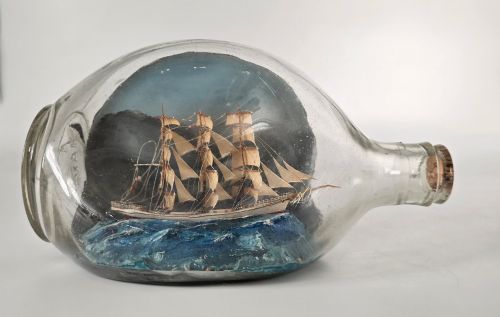
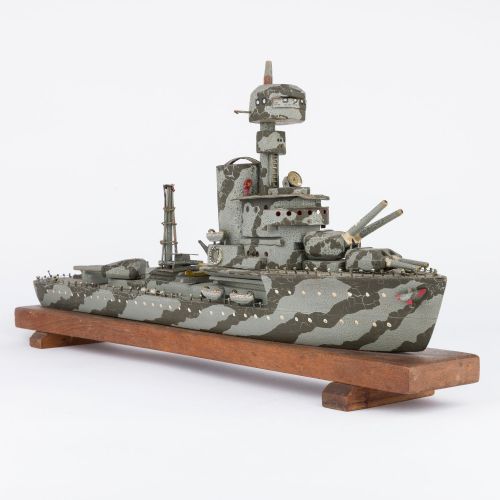
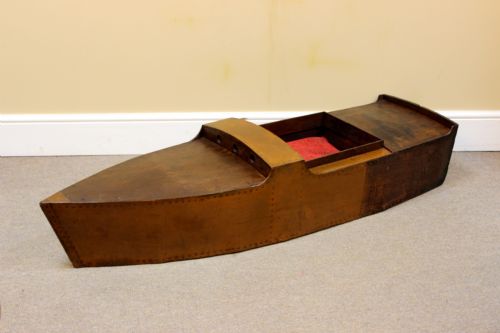
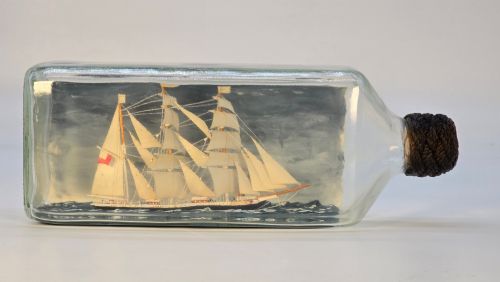
A vintage maritime model encompasses a broad category of nautical objects spanning from the nineteenth century through the early twentieth century, including pond yachts, scale models, and shadow box dioramas. When searching for a vintage maritime model, buyers frequently encounter cased ship dioramas, folk art bottles, and wooden sailing vessels.
The assortment on this page reflects traditional maritime craftsmanship originating from Victorian and Edwardian periods, featuring works like scratch-built ketches, pond yacht hulls, and steam ships. These pieces serve as decorative objects that preserve the aesthetic of historic shipping and maritime engineering.
Originating from English, French, and wider European traditions, these items range from simple folk art creations to complex engineer-made miniatures. Their forms include three-mast sailing ships, racing yachts, and cased displays of vessels racing at sea.
Construction and Materials
Makers constructed these pieces primarily using timber, wood, and metal, often incorporating canvas and thread for rigging and sails. Carved hulls utilise materials like sycamore and oak, frequently mounted on wooden plinths or marble bases.
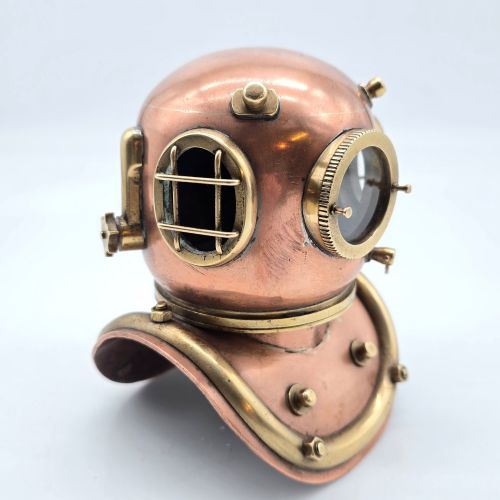
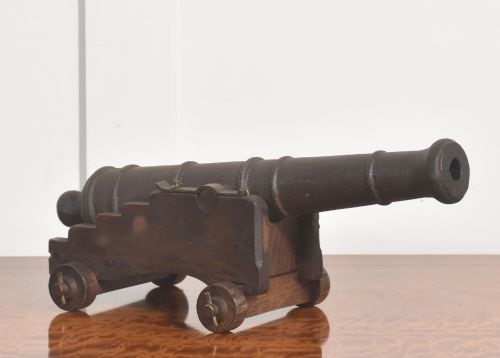
Glass protects delicate interior elements in shadow box dioramas and bottled ships, while brass and cast iron appear in fittings, signal cannons, and miniature diving helmets. Paint adds surface detail to hulls and miniature seascapes.
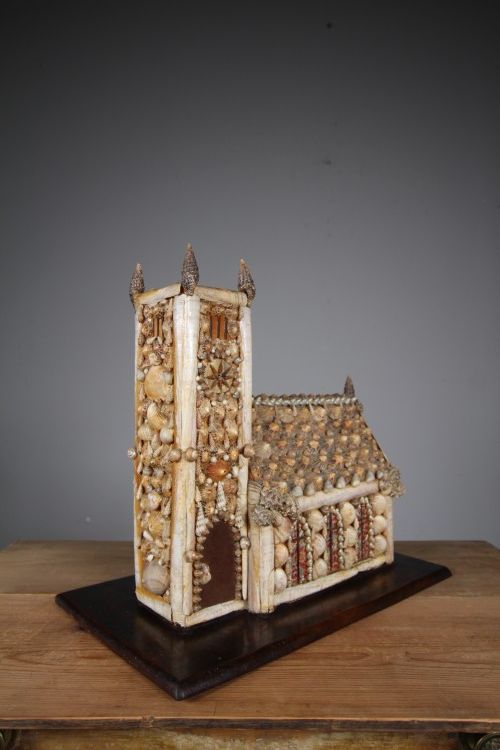
At least one nineteenth-century creator found time to build a large decorative shell work church alongside their maritime models.
Evaluating Quality
Quality rests in the precision of the scale work and the complexity of the scratch-built rigging, separating basic decorative objects from master-built builder models. Finer examples display meticulous attention to maritime architecture, from carvel hulls to accurate sail configurations.
The integrity of the housing also dictates standing, particularly in cased dioramas and glass bottles where original seals and undisturbed interior elements preserve the diorama context. Superior craftsmanship is evident in the proportion and balance of pond yachts and fully rigged sailing ships.
The Vintage Maritime Model Glossary
- Diorama
- A three-dimensional scene enclosed in a glass-fronted case or bottle. These displays typically depict sailing vessels at sea using painted backgrounds and modelled waves.
- Carvel hull
- A method of boat construction where hull planks are laid edge-to-edge flush against a frame. This technique creates a smooth exterior surface on many scratch-built pond yachts.
- Pond yacht
- A large model sailing boat designed for recreational sailing on park lakes. These vessels feature substantial wooden hulls and detailed deck fittings.
- Scratch-built
- An object constructed entirely from raw materials by hand rather than assembled from a commercial kit. Such pieces reflect the individual skill of the maker.
Vintage Maritime Model: Frequently Asked Questions
What is a ship in a bottle?
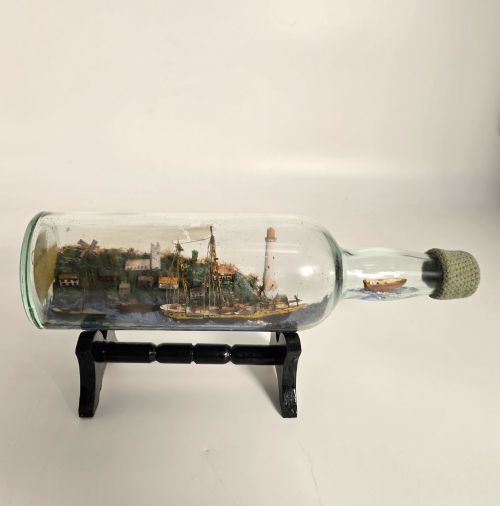
A ship in a bottle is a folk art diorama where a miniature vessel is assembled inside a glass bottle. The masts typically fold down to pass through the neck before being raised upright using attached threads.
These pieces often include tiny painted seascapes and cork stoppers, representing a traditional maritime craft practised by sailors and coastal artisans.
How do I date a pond yacht?
Dating a pond yacht involves examining the hull construction, timber type, and deck hardware style. Late nineteenth-century examples often feature carved wooden hulls with simpler fittings.
Edwardian and later twentieth-century models show shifts in racing yacht designs and manufacturing techniques, often supported by maker marks or dated inscriptions.
What are shadow box dioramas?
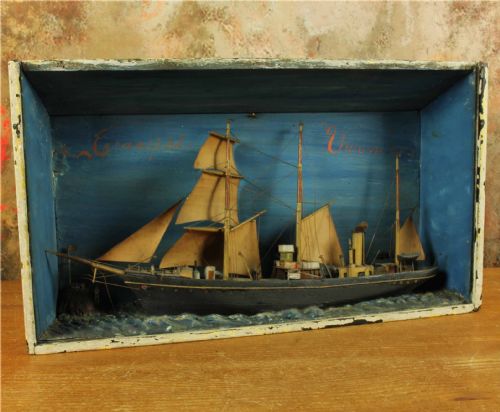
Shadow box dioramas are enclosed wall-hanging cases displaying model ships against painted maritime backgrounds. The glass front protects the delicate rigging and textile sails from dust and damage.
These displays frequently capture specific vessels or racing scenes using layered materials to create a sense of depth.
Were these models made by professionals?
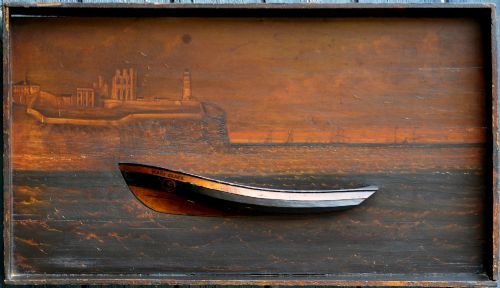
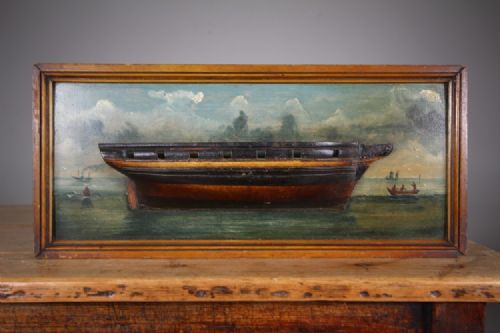
Some models originated from commercial shipyards as half-hull builders' displays for design evaluation. Others were created by skilled engineers or amateur folk artists working independently.
This mix produces everything from precise scale replicas of Royal Navy battleships to charmingly idiosyncratic folk art creations.