


Carved Wooden Vessel
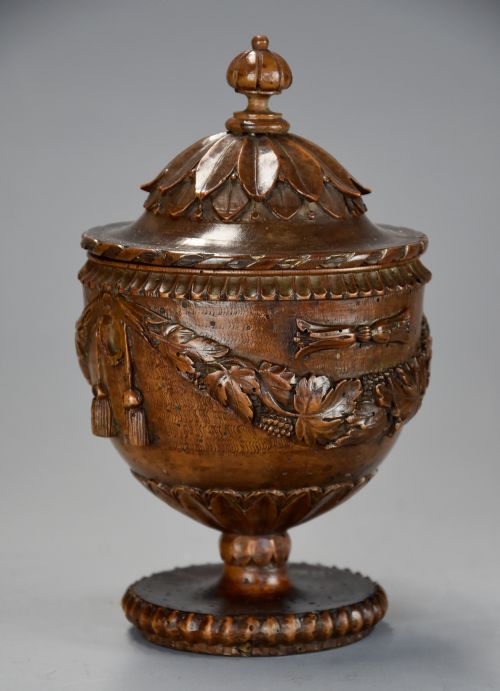
A carved wooden vessel brings centuries of tactile grain and domestic utility directly to a room, holding centuries of turning and carving in a single piece.
Carved Wooden Vessel
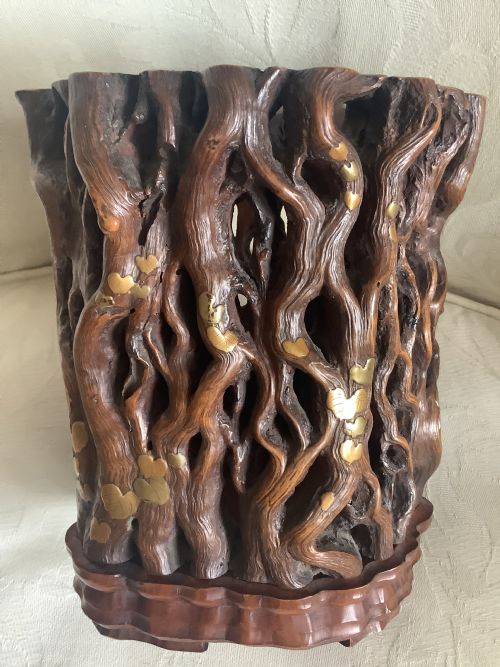
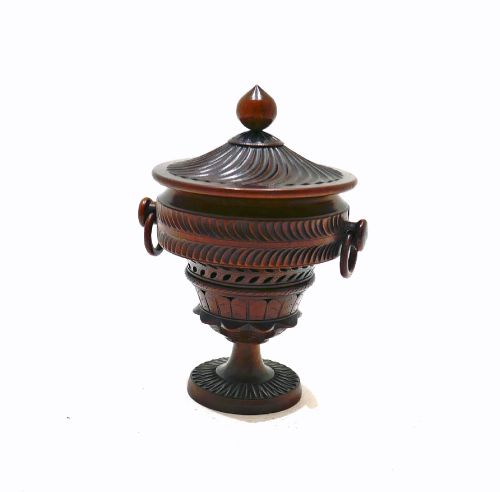
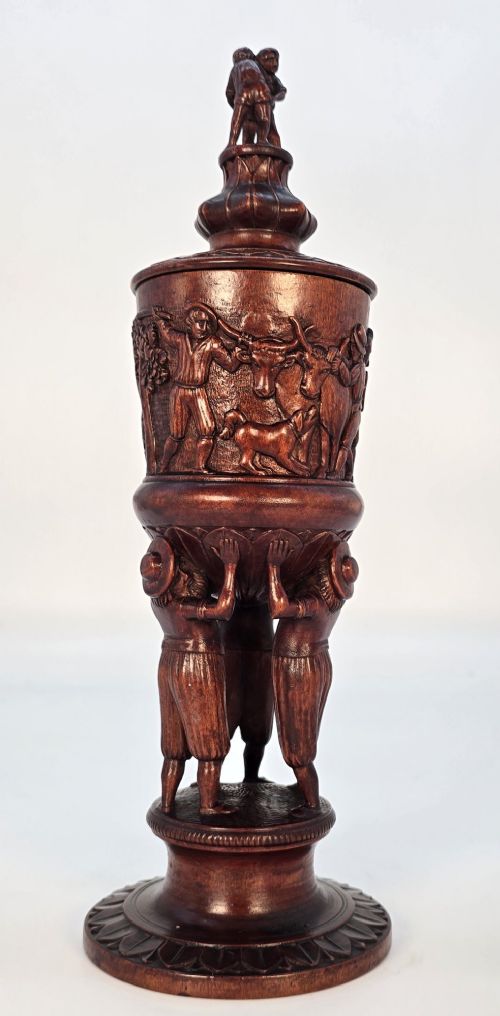
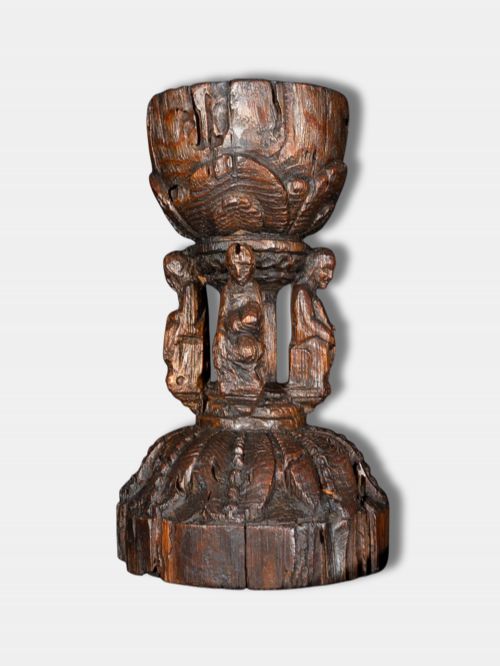
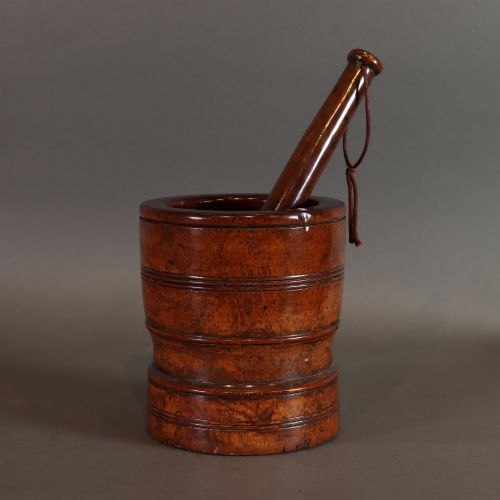
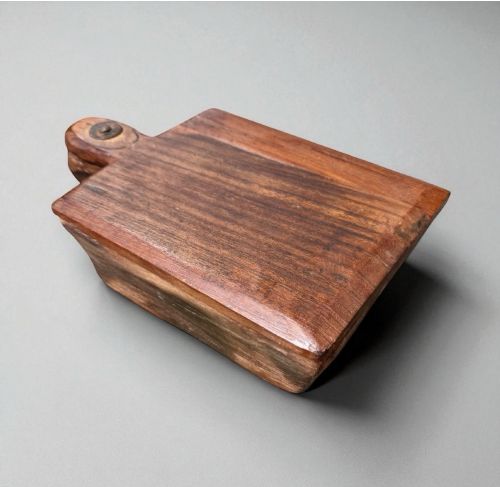
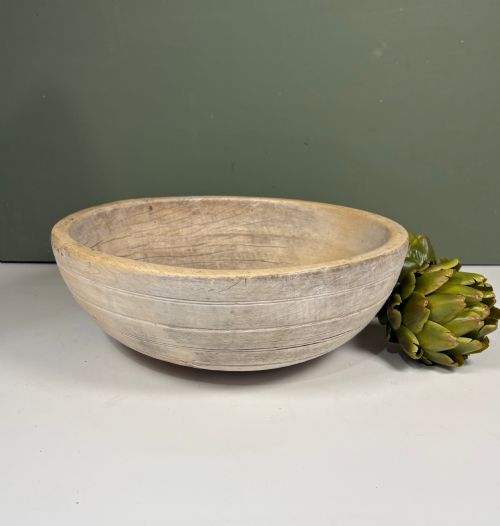
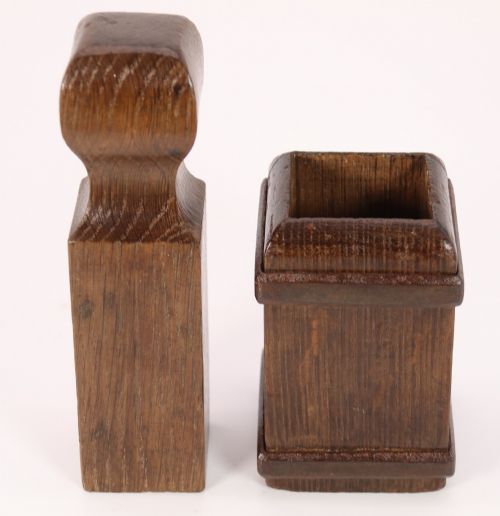
A carved wooden vessel encompasses utilitarian items and decorative forms shaped from timber across multiple centuries, including seventeenth-century lignum vitae mortars, nineteenth-century dairy bowls, and traditional treen. These objects range from heavy apothecary crushers and coopered butter barrels to delicate fruitwood lidded cups and Chinese bamboo brush pots.
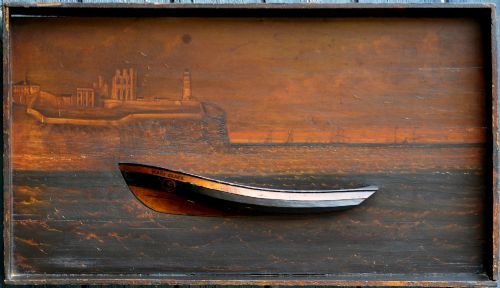
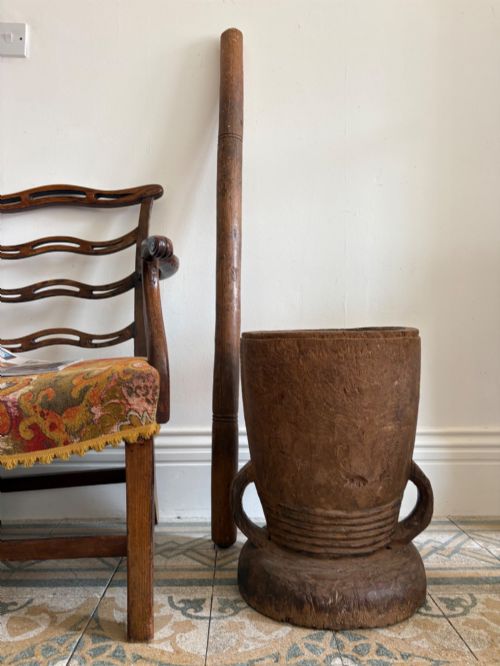
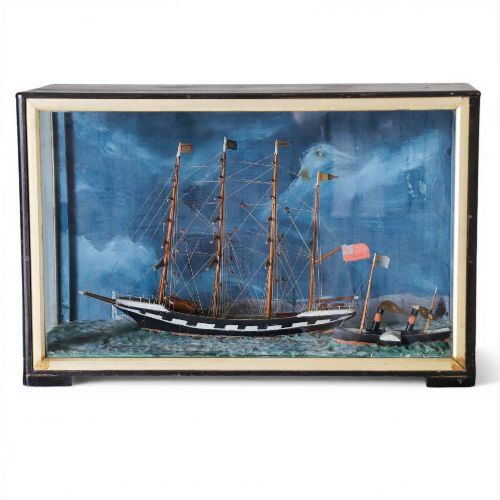
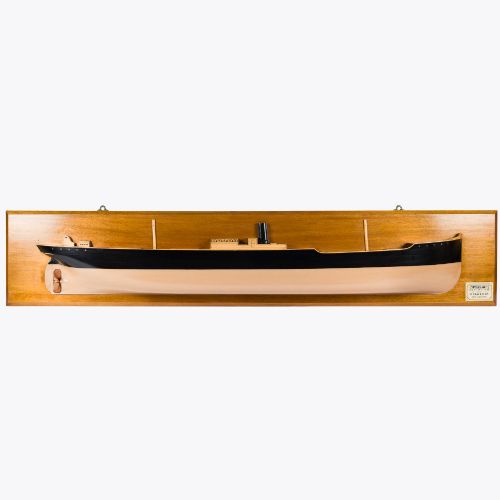
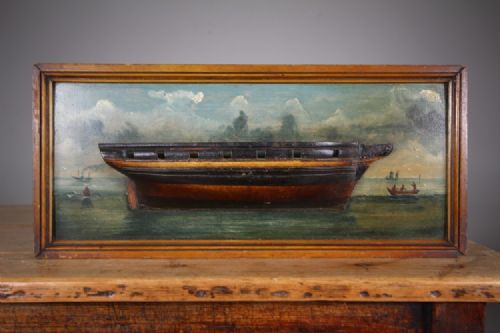
The version most frequently met on this page is the nineteenth-century domestic or rustic utility piece, shaped from sycamore, oak, or walnut. Alongside these functional items, collectors encounter maritime folk art models, Black Forest carvings, and primitive dug-out tree trunk vessels originating from diverse European and Asian workshops.
Buyers select these items for their organic material, direct connection to historical domestic life, and the visible tool marks left by earlier turners and carvers. Each piece demonstrates how basic natural resources were transformed into durable household goods.
Materials and construction
Makers utilised dense hardwoods such as lignum vitae, walnut, oak, fruitwood, and sycamore, selected for their stability and resistance to splitting during heavy daily use. Turning on a lathe formed circular vessels like goblets, mortars, and chalices, while hand-carving shaped irregular forms such as dug-out tree trunks, troughs, and figurative folk art.
Assembly often combined turned wooden bodies with secondary elements like wrought iron mounts, brass bands, and occasionally paint or specialised lidded closures. The resulting objects rely entirely on the natural grain and density of the timber rather than applied surface decoration to achieve their structural integrity.
Listings feature items from the seventeenth, eighteenth, and nineteenth centuries, alongside Edwardian and early twentieth-century examples.
Evaluating the standard
Quality rests upon the crispness of the original turning or carving, the integrity of the timber grain, and the survival of an honest surface patina developed through handling and age. Pieces that retain their original tool marks, uncompromised structural proportions, and authentic utilitarian context command greater attention from collectors.
Lesser examples often suffer from heavy twentieth-century sanding that removes historical tool evidence, intrusive structural replacements, or inappropriate surface finishes that obscure the natural wood. The balance between practical utility and sculptural form ultimately determines the standing of an individual piece within this tradition.
The Carved Wooden Vessel Glossary
- Treen
- Small handmade wooden domestic objects produced before the widespread adoption of mass manufacturing. These items include kitchenware, small containers, and personal accessories shaped by turners and joiners.
- Lignum vitae
- A remarkably dense and heavy tropical hardwood obtained from trees of the genus Guaiacum. It was traditionally chosen for mortars, pestles, and marine hardware due to its natural oils and resistance to impact.
- Coopered
- Constructed from wooden staves fitted together side by side and bound with metal or wooden hoops. This technique created watertight containers such as butter barrels, tubs, and small buckets.
- Mortar and pestle
- A heavy bowl paired with a club-shaped tool used for crushing, grinding, and mixing spices, medicines, or food substances. Earlier examples are frequently turned from dense domestic hardwoods or imported exotics.
- Dug out
- Formed by hollowing out a single solid section of a tree trunk rather than assembling staves or panels. This primitive method produced robust troughs, planters, and basic vessels.
Carved Wooden Vessel: Frequently Asked Questions
What is treen?
Treen comprises small, functional wooden objects made for domestic use before modern mass production took over households. These items range from nutmeg graters to small bowls and lidded cups.
Collectors prize treen for its tactile quality, visible tool marks, and the rich patinas developed through generations of handling.
How do I care for old wood?
Old wood requires stable humidity levels away from direct heat sources and sudden temperature fluctuations to prevent cracking or warping. Occasional gentle application of a suitable wax helps maintain the surface without sealing the grain permanently.
Avoid using water or modern chemical polishes, as moisture damages historic dry surfaces and alters the natural patina.
How are seventeenth-century pieces identified?
Seventeenth-century turned pieces typically rely on dense timbers like lignum vitae, featuring heavy proportions and distinct tool chatter marks left by early lathe work. Their forms reflect domestic or apothecary uses current during that period, such as deep-sided mortars.
Comparison with documented examples helps confirm the construction methods and wood species characteristic of the sixteen-hundreds.
Were these vessels used daily?
Most of these vessels served demanding practical roles in kitchens, dairies, and apothecaries before entering collections as decorative objects. Mortars ground spices, dairy bowls processed milk, and butter tubs stored provisions.
Their current condition often bears the honest marks and wear resulting from decades of active domestic service.