




Early 20th Century Ship
An early 20th century ship object brings maritime history directly into a room through authentic models, paintings, and hardware.
Early 20th Century Ship
When you search for an early 20th century ship, you find a diverse range of items spanning folk art models, paintings, and nautical hardware. These objects capture the maritime industry and naval architecture of the Edwardian era and the decades immediately following.
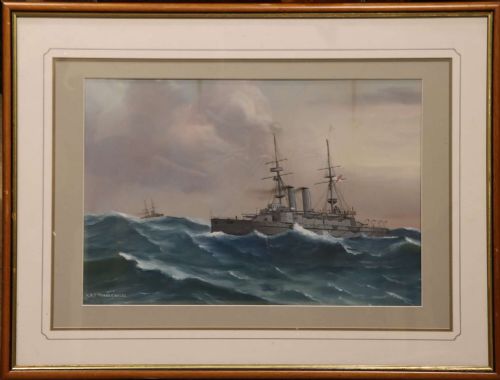
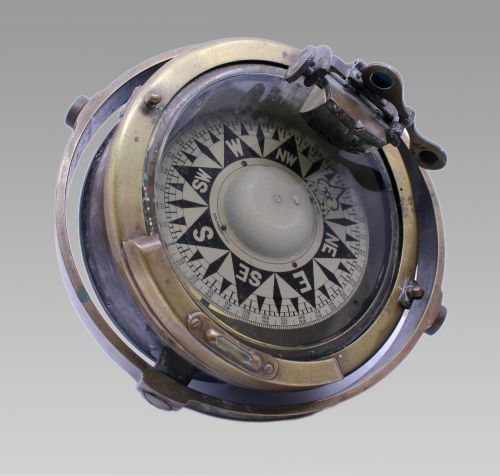
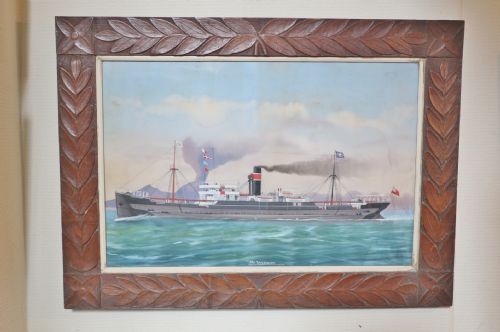
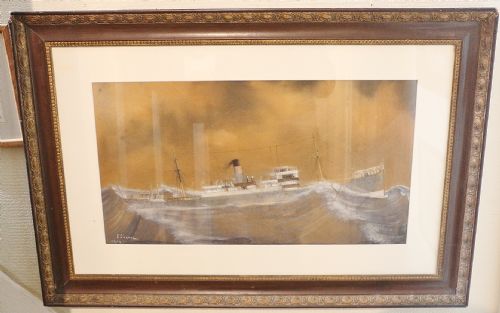
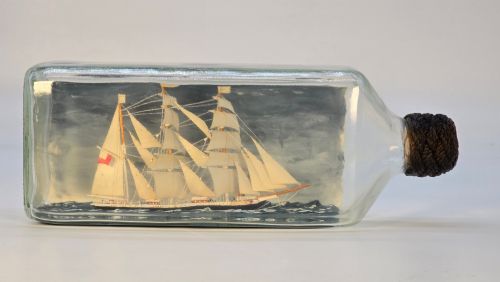
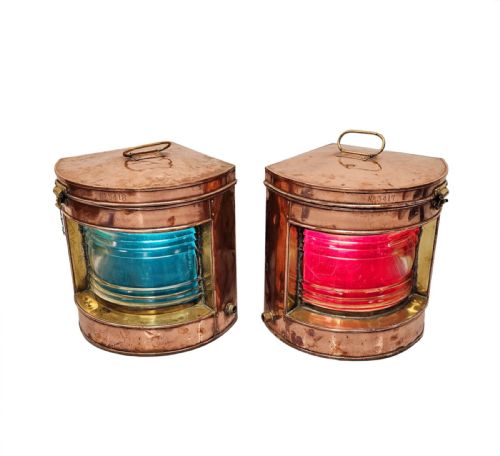
You are most likely to meet detailed scratch-built ship models, oil and gouache paintings of steamships and sailing vessels, and functional brass or copper lanterns. The selection also includes diorama ships in bottles, navigation instruments like compasses, and furniture incorporating reclaimed ship timber.
The origins of these pieces stretch from British coastal ports and shipyards to scenes recorded on the Pearl River in Hong Kong. They reflect both professional marine art and the resourceful hand of folk artists working in wood, glass, and metal.
How they were made
Makers utilised a combination of durable metals, timber, and traditional artist pigments to construct these items. Copper and brass form the heavy-duty housing for navigation lanterns, gimbals, and lamps, often paired with cast iron or turned oak for structural stability.
Models and folk art pieces rely on carved wood, paper, and glass, frequently housed within sealed bottles or pine display cases. Paintings employ oil, watercolour, and gouache applied to canvas, board, or paper, capturing coastal and open sea conditions with precise brushwork.
The selection includes works dated from 1900 through the 1920s, encompassing both Edwardian maritime art and folk traditions.
What varies in quality
Material integrity also defines the tier of an item, particularly in functional objects like copper and brass lanterns or navigational instruments. Original mountings, patination through age, and untouched components elevate pieces above those with later replacements or heavy restoration.
F. Smith & Sons·F W Burns·Wm Barker·A.E. Morris
The Early 20th Century Ship Glossary
- Gimbal
- A pivoted ring that allows a compass or lamp to remain horizontal regardless of the motion of a vessel. This mechanism is typically constructed from brass and bronze.
- Scratch-built
- A model constructed from raw materials rather than from a commercial kit. These pieces rely on the builder's individual skill and observation.
- Gouache
- An opaque watercolour paint used by marine artists to achieve rich, solid colour blocks. It is frequently seen in maritime paintings from this era.
- Diorama
- A three-dimensional scene enclosed within a glass container, such as a bottle. In maritime pieces, these depict ships sailing on stylised sea waves.
- Port lantern
- A navigation light positioned on the left side of a vessel, traditionally fitted with red glass. They are constructed from durable copper and brass to withstand marine environments.
Early 20th Century Ship: Frequently Asked Questions
What is an early 20th century ship model?
These models are three-dimensional representations of vessels built between 1900 and the 1920s. They include scratch-built wooden replicas and delicate diorama ships constructed inside glass bottles.
Craftsmen and sailors made them to record specific watercraft or as decorative folk art items. They preserve the exact rigging and design of steamships and sailing vessels from the period.
How were ships lanterns used?
Navigation lanterns were mounted on the exterior of vessels to signal position and direction at sea. Copper and brass housed these lights to withstand harsh saltwater conditions.
Coloured glass panels distinguished port and starboard sides during night travel. Today, these lamps serve as interior decorative lighting fixtures.
How do I date a maritime painting?
Dating relies on identifying the specific vessel named in the title, artist signatures, and recorded exhibition dates. Ship types such as WWI steamships provide a clear terminus post quem for the artwork.
Stylistic elements like the use of gouache or watercolour on card also align with Edwardian and 1920s artistic practices. Inscriptions on the reverse often note the exact year and location.
Where should I display these items?
Maritime objects suit studies, living rooms, and hallways with traditional or eclectic interior schemes. Furniture like oak gallery tables or desk armchairs integrate easily into daily domestic use.
Wall art and lanterns require stable mounting away from direct moisture sources to preserve the original paint and metal patination. Placing models in well-lit areas highlights their intricate rigging and construction.