


Painted Wood Ship Model
These painted wood ship model pieces bring maritime folk art and scratch-built sailing vessels directly into your home.
Painted Wood Ship Model
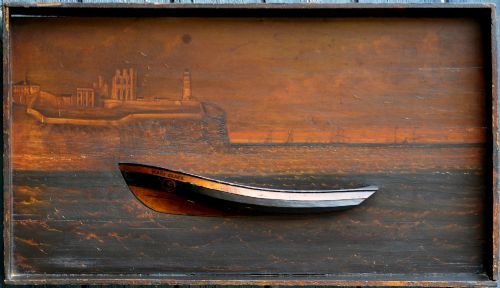
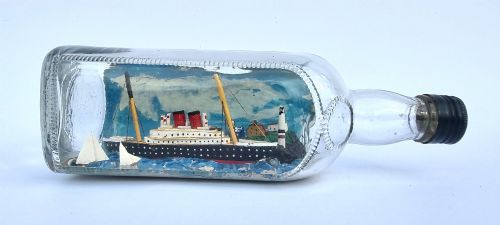
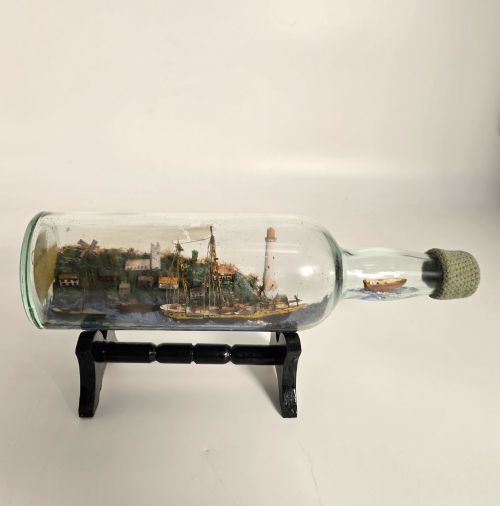
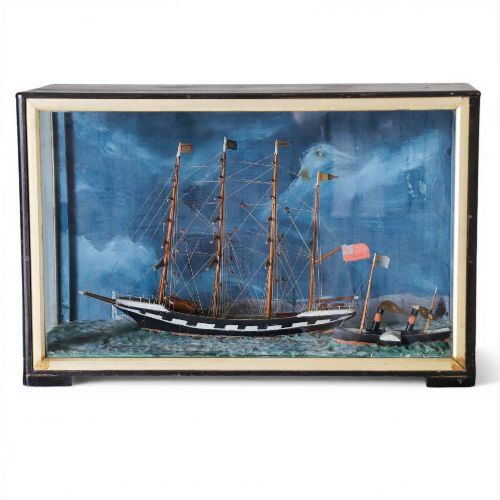
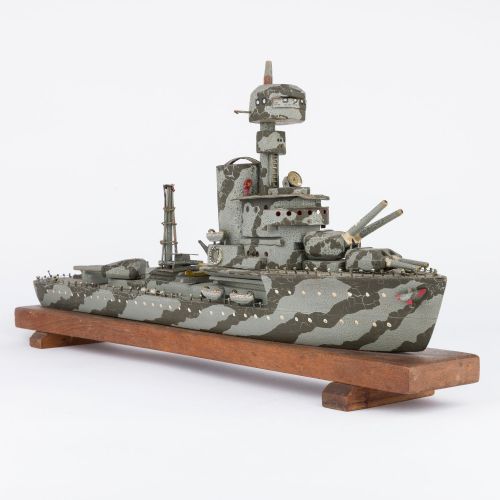
A painted wood ship model encompasses maritime folk art, cased dioramas, and scratch-built vessels originating from the nineteenth and early twentieth centuries. These works include shadow box dioramas, ships in bottles, and half-hull models made by makers working in Britain and France.
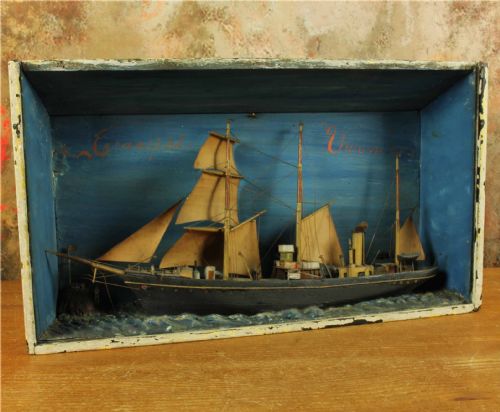
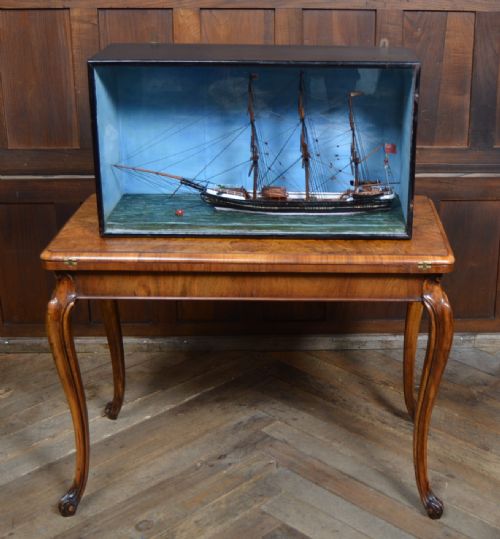
The most common examples encountered here are cased dioramas and shadow boxes depicting sailing vessels, barques, and steam ships from periods such as the Edwardian era and the 1920s. Buyers also frequently find individual scale models and half-hull boatbuilder displays.
Makers often constructed these pieces using wood combined with paint, glass, canvas, and cotton rigging to recreate naval battleships, racing vessels, and trawlers like the Caeneus. The selection spans various forms of maritime folk art ranging from simple model boats to elaborate cased clipper models.
How they were made
Maker construction methods rely primarily on scratch-built wood components shaped to form hulls, paired with paint finishes to depict water and seascapes. Cotton rigging and canvas sails add detail to multi-masted sailing ships and shadow box dioramas.
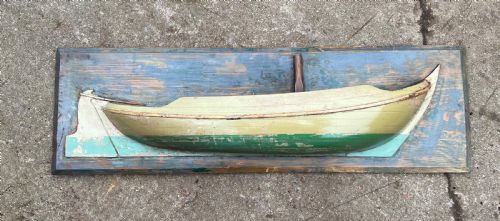
Makers frequently housed delicate models inside glazed wooden shadow boxes or glass bottles to protect the plaster, putty, and metal elements. Half-hull models use layered wood to present the profile of vessels such as trawlers and barges.
Listings feature wood, glass, canvas, and cotton rigging across pieces from the nineteenth century to the 1930s.
What varies in quality
Quality separates simple decorative objects from detailed scratch-built models through the precision of the rigging, the complexity of the painted sea background, and the integrity of the wooden case. Finer examples maintain original glass and intact cotton components without extensive modern repairs.
The depth and realism of the painted Turneresque seascape or shadow box diorama distinguish superior folk art pieces from standard decorative models. Materials like original glass and hand-painted wooden hulls indicate higher craftsmanship.
The Painted Wood Ship Model Glossary
- Shadow Box Diorama
- A three-dimensional scene enclosed in a shallow glazed case. These displays often feature painted wooden ships set against canvas or plaster backgrounds.
- Half-Hull Model
- A scale model showing only one side of a vessel split longitudinally. Shipbuilders used these wooden displays to test hull designs or showcase completed ships.
- Scratch-Built
- A model built entirely from raw materials rather than a commercial kit. Makers construct these vessels using independent pieces of wood, metal, and rigging.
- Barque
- A sailing vessel with three or more masts. These ships feature square sails on the fore and main masts and fore-and-aft sails on the mizzenmast.
- Maritime Folk Art
- Artistic objects created by sailors or local craftsmen depicting sea-related subjects. These works utilise accessible materials like wood, paint, and found objects.
Painted Wood Ship Model: Frequently Asked Questions
What is a shadow box diorama?
A shadow box diorama encloses a miniature painted wood ship model within a glazed wooden frame. This construction protects the delicate cotton rigging and painted plaster waves from dust and damage.
Such pieces hang on walls or sit on surfaces, presenting a complete maritime scene viewed through glass.
How do I care for a cased ship model?
Cased models require stable indoor environments away from direct sunlight to preserve the painted wood and canvas sails. Keep the exterior glass clean using standard methods without disturbing the antique seals.
Avoid opening sealed boxes or glass bottles, as the internal environment protects fragile components like cotton rigging from humidity.
What is a shipbuilder half model?
A half model represents one side of a vessel mounted on a wooden backboard. Shipbuilders originally used them to visualise hull shapes before constructing full-sized boats.
Today these wooden pieces serve as wall-mounted decorative objects reflecting maritime trade and design history.
How do I identify the period of a model?
Dating relies on materials, construction techniques, and stylistic clues within the diorama or model. Labels, inscriptions, or specific vessel types like WWI battleships provide historical context.
Folk art pieces often reflect the manufacturing methods and maritime themes popular during the nineteenth and early twentieth centuries.