


19th Century Ship Model
A 19th century ship model brings the skill of maritime carpenters and folk artists directly into your home.
Understanding the 19th Century Ship Model
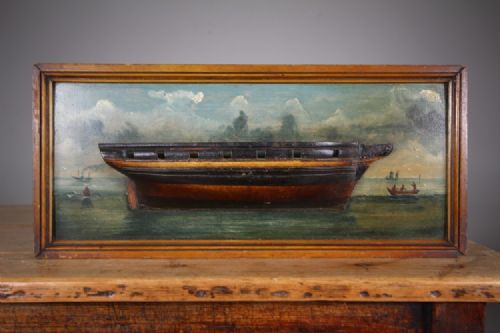
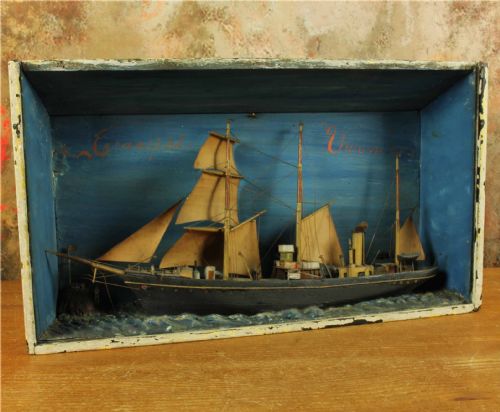
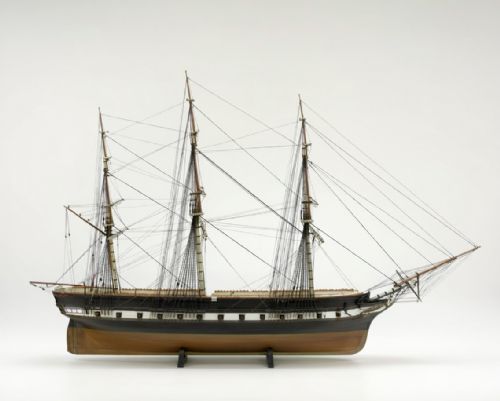
A 19th century ship model captures the maritime heritage of the period through detailed miniature representations of sailing ships, clippers, yachts, and steamships. Buyers seeking these pieces will encounter various forms, including shadow box dioramas, maritime dioramas, half hull models, and freestanding models in cases.
The pieces on this page span Victorian maritime art, maritime folk art, and Georgian influences, originating from workshops in England and France. Common subjects range from named vessels such as the Foxhound and Nancy to training models like HMS Daedalus and luxury yachts mounted on marble bases.
Half hull ship models focus on the profile of hulls used by shipbuilders, while boxed dioramas present full rigging and painted seas under glass. Each format reflects the diverse ways craftsmen recorded naval architecture and commercial shipping during the century.
Materials and Construction
Maker construction relies heavily on woods such as sycamore, pine, and mahogany, shaped to represent hulls and carved details. Paint and canvas render the sea and sails in dioramas, whilst glass protects delicate boxed scenes from dust and damage.
Fittings and mounts incorporate brass, plaster, paper, and fabric to complete the rigging, flags, and compasses. Half hull models often display layered construction techniques used in shipyards to plan the lines of steamboats and paddle steamers.
Retail Price Guide 2026
Typical UK retail prices for 19th century ship model, calculated from the Sellingantiques database of over a million retail prices indexed since 2003. This retail price guide relies exclusively on Sellingantiques data; no external sources or auction records are used, so the figures do not describe the wider market.
Even landlocked French villagers occasionally carved detailed clipper ships into wooden boxes, simply because the sea called to their imaginations.
Evaluating Craftsmanship and Preservation
Quality rests in the precision of the carving and the accuracy of the rigging relative to the vessel type. Finer examples display meticulous attention to hull proportions and proportioned deck furniture, whereas simpler folk art versions prioritize rustic charm and presence.
The condition of original glass cases, painted backdrops, and fitted wooden boxes significantly influences the integrity of dioramas. Intact canvas sails and original brass components maintain the historical context of the piece.
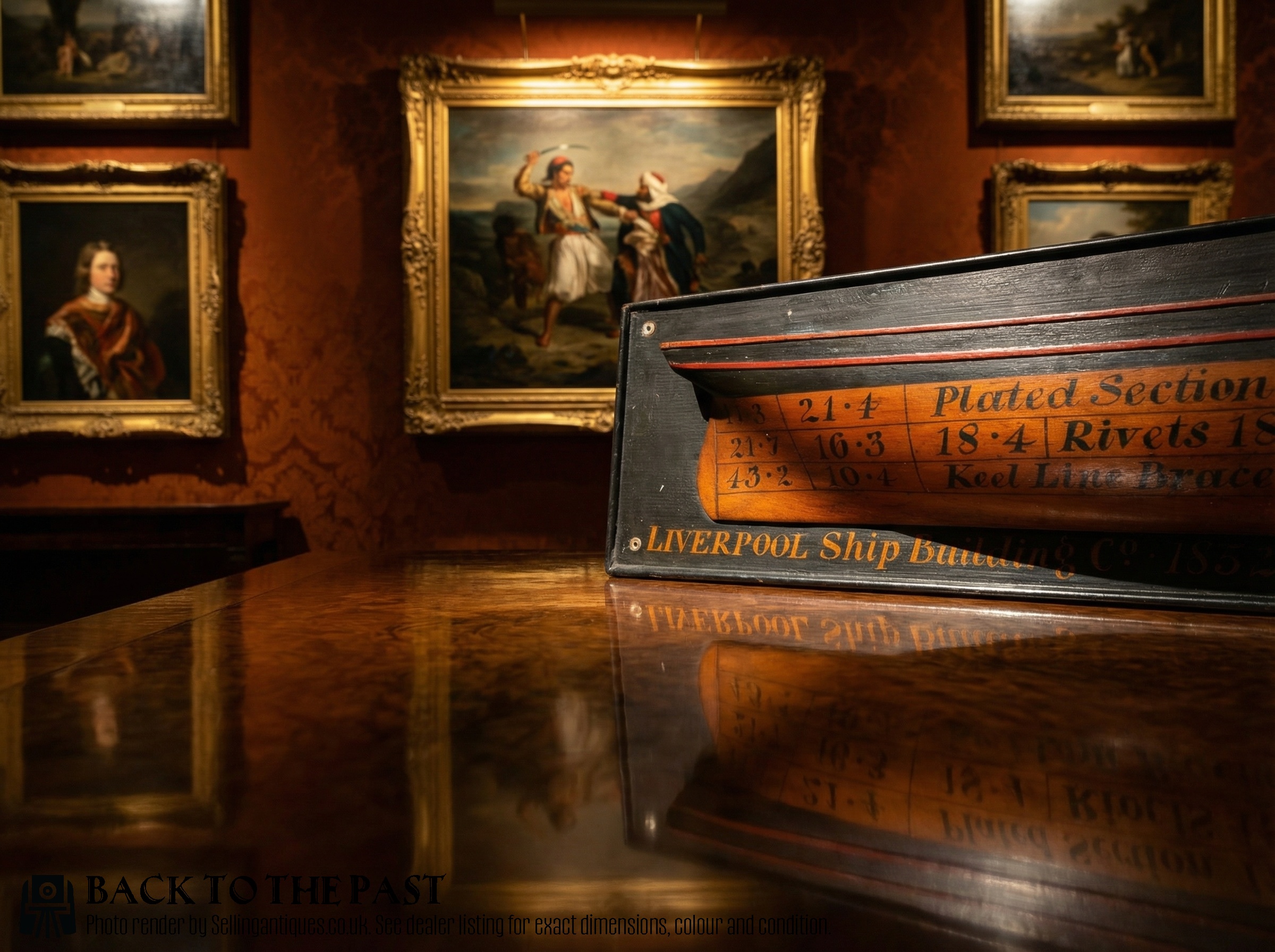
Liverpool Ship Building Co.
The 19th Century Ship Model Glossary
- Half hull model
- A vertical or horizontal split representation of a ship used by shipbuilders to design hull contours. These pieces mount onto wooden boards for display.
- Shadow box diorama
- A shallow, enclosed wooden case featuring a three-dimensional model set against a painted maritime backdrop. Glass protects the scene from environmental wear.
- Waterline model
- A representation of a ship built to show only the portion above the water line. These models sit flat on a base representing the sea surface.
- Clipper
- A very fast nineteenth century merchant sailing ship with multiple masts and square sails. They frequently appear as subjects in boxed maritime dioramas.
Frequently Asked Questions
What is a ship diorama?
A ship diorama presents a model vessel positioned within a framed box, often featuring a painted canvas background to simulate the sea and sky. Glass covers the front to protect the intricate rigging and details from damage.
These pieces were created by sailors, folk artists, and professional craftsmen as decorative objects or commemorative pieces. They offer a window into nineteenth century maritime culture.
How do half hull models differ?
Half hull models display only one side of a ship, sliced vertically or horizontally down the centreline. Shipbuilders originally used them to test and record hull designs before full construction.
Over time, these functional objects transitioned into decorative wall displays. They highlight the pure sculptural lines of steamboats, yachts, and sailing ships.
Where were these models made?
Nineteenth century ship models originated from maritime centres across England and France. Workshops ranged from coastal folk artists working with scrap wood to commercial builders producing training models.
French workshops frequently produced boxed boat models and luxury yacht sculptures on marble bases. English makers often focused on specific named clippers and naval vessels.
How do I care for a cased model?
Cased models and shadow boxes require stable indoor environments away from direct sunlight and high humidity. The glass covers protect the fragile canvas sails and paper elements from dust and physical contact.
Wood and brass components benefit from gentle dusting with a soft, dry cloth. Avoid using liquid cleaners on painted backdrops or delicate rigging.