




Antique Scale Ship Model
These antique scale ship models capture naval history and maritime craft with exact proportion, offering character for a study or hall.
Antique Scale Ship Model
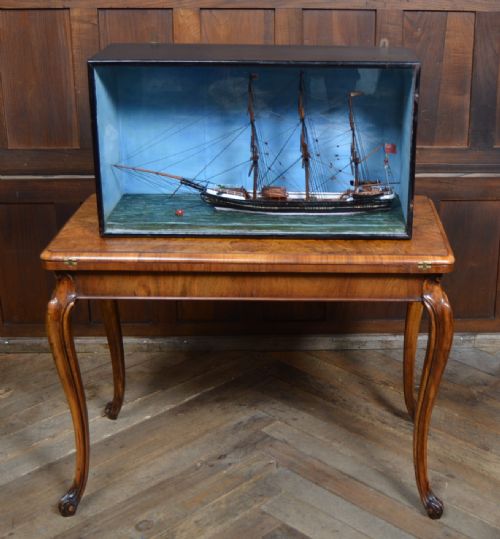
When you search for an antique scale ship model, you encounter miniature representations of sailing vessels, battleships, and working craft spanning the nineteenth and early twentieth centuries. These pieces encompass diverse forms, from cased clippers and racing yachts to half hull ship models and desk accessories.
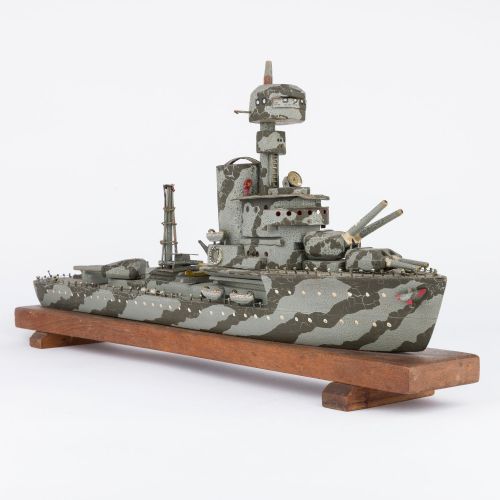
You are most likely to meet wooden sailing vessels and naval warships originating from the Victorian, Edwardian, and interwar periods on this page. These items range from scratch-built representations of specific historical ships to training models and decorative table pieces.
The selection includes specific vessel types such as schooners, barques, ketches, and gondolas, alongside auxiliary maritime objects like anchors. Each piece reflects the specific maritime interests and shipbuilding traditions of its particular era.
How they were made
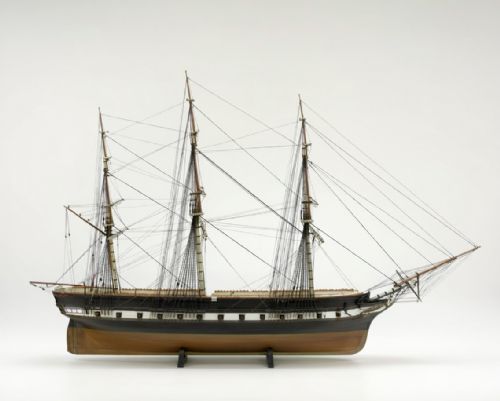
Constructed primarily from wood, these models frequently incorporate metal, brass, paint, thread, canvas, and cordage to render rigging and structural details accurately. Makers utilised these mixed materials to replicate the complex geometry and texture of actual sailing ships and marine equipment.
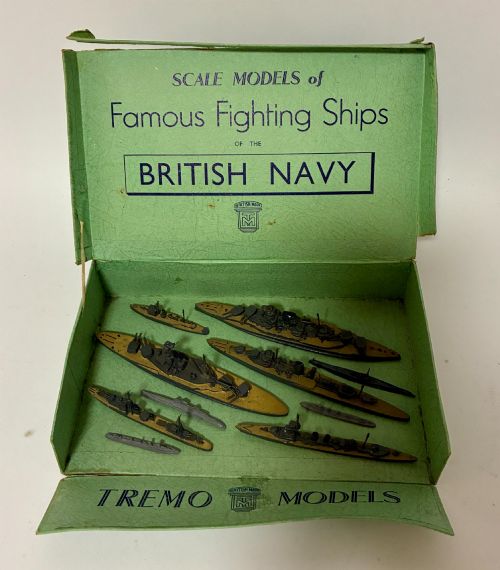
Techniques varied from commercial output by firms like Tremo to meticulous scratch building by individual makers working from historical plans. Rigging was tied using fine thread and cordage, while hulls were carved from timber and finished with paint and varnish.
Even the smallest gondola model retains tiny painted details that suggest someone spent hours peering at Italian canals.
What varies in quality
Fidelity to scale and precision in rigging separate standard decorative items from superior navigational and training models. The fineness of the cordage work, the accuracy of the hull shape, and the preservation of original paint or timber finishes determine the standing of each piece.
The inclusion of a fitted glass case often preserves the delicate masts and rigging from damage, enhancing the condition and integrity of the model over time. Superior examples demonstrate a careful balance between structural robustness and intricate detail work.
Tremo·Liverpool Ship Building Co.
The Antique Scale Ship Model Glossary
- Barque
- A sailing vessel with three or more masts having the fore-and-aft sail set only on the mizzenmast. This rig was common for merchant voyages during the nineteenth century.
- Cased model
- A scale ship enclosed within a protective glass cover. This housing protected the fragile rigging and delicate wooden components from dust and accidental harm.
- Half hull model
- A three-dimensional representation of one side of a ship affixed to a backboard. Shipwrights utilised these forms to study hull design and proportions before full-scale construction.
- Ketch
- A two-masted sailing boat with the smaller mizzenmast stepped forward of the rudder post. This configuration allowed for easier handling by smaller crews.
- Scratch built
- An item constructed entirely from raw materials and individual components rather than from a commercial kit. These pieces rely on the maker's personal skill and research.
Antique Scale Ship Model: Frequently Asked Questions
How do I clean an antique ship model?
Dust the model very gently using a soft, dry artist brush or a photographer's air blower. Avoid liquid cleaners, as moisture can weaken old adhesives and warp wooden components.
Keep the piece away from direct sunlight and damp environments to protect the paint, thread, and canvas elements from degradation.
What is the difference between a half hull and a full model?
A half hull model depicts only one side of a ship mounted on a flat backboard, originally used by shipbuilders for design purposes. A full model represents the entire vessel in three dimensions for display.
Full models require more space and protection, whereas half hulls sit flat against a wall as decorative art.
How can I tell the age of a model?
Examine the materials, construction techniques, and any accompanying documentation or plaques fixed to the hull or base. The style of the vessel rigging and hull form often corresponds to specific naval eras like the Victorian or Edwardian periods.
Changes in metal fittings, paint types, and wood ageing also provide clues to the decade of manufacture.