





Cased Maritime Model
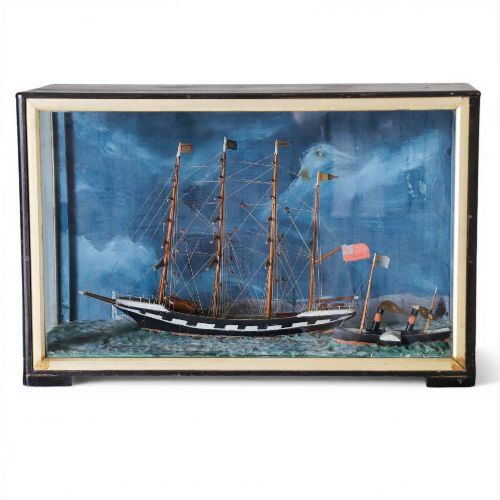
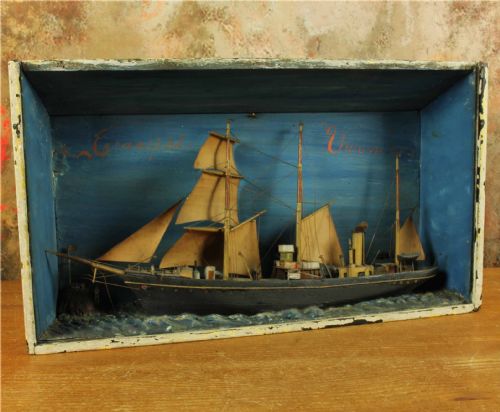
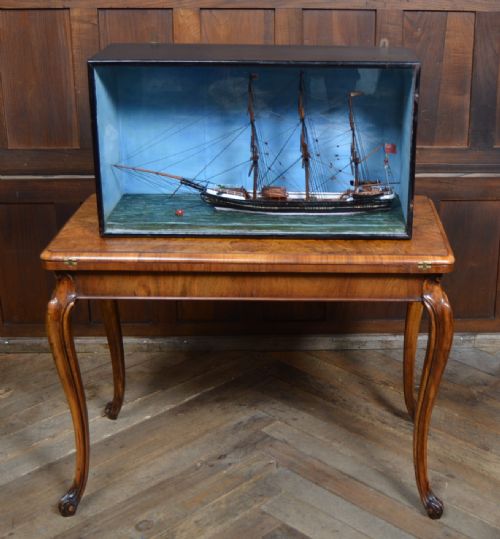
These cased maritime model pieces capture sailing vessels within protective glazing, offering a tactile piece of nautical history for your interior.
Cased Maritime Model
When you search for a cased maritime model, you encounter shadow box dioramas, scale models, and model ships preserved behind glass. The pieces on this page span the nineteenth century, the Edwardian era, and the early twentieth century.
Most examples present sailing vessels such as barques, ketches, schooners, and four-masted sailing ships at sea. These originate from various makers and folk art traditions, often featuring painted seascapes or constructed maritime folk art scenes.
You meet both French handmade boat models in boxes and English ship dioramas among these listings. Each object provides a structured view of historical watercraft, enclosed to protect the delicate rigging and hull construction.
How they were made
Maker construction relies heavily on wood for hulls and structures, combined with canvas, fabric, and thread to shape sails and rigging. Brass components often accent these builds, while paint brings the Turneresque seascapes and backgrounds to life.
Makers use plaster and straw work within specific shadow box dioramas to build texture and depth in the surrounding water and coastal elements. Glass frames and encases the entire scene to keep dust away from the fragile components inside.
Cased Maritime Model Retail Price Guide 2026
Typical asking prices for cased maritime model among the pieces listed under this phrase on Sellingantiques today, from the lower quarter to the upper quarter. They describe what is for sale here now, not the wider market.
Some nineteenth-century makers utilised humble straw work to give miniature ocean waves an unexpected metallic sheen.
What varies in quality
The sophistication of the painted backdrop and the detail in the rigging separate simpler folk art constructions from more refined scale models. Scratch built models demonstrate precision in replicating specific vessels, whereas folk art examples lean towards expressive interpretation.
The condition of the enclosing wooden case and the clarity of the glass preservation impact the overall presentation of the diorama. Material choices like intricate straw work or detailed brass fittings elevate the complexity of individual pieces.
The Cased Maritime Model Glossary
- Shadow Box Diorama
- A shallow display case enclosing a three-dimensional scene under glass. This format protects intricate ship models and painted backgrounds from environmental damage.
- Barque
- A sailing vessel with three or more masts having the fore-and-aft sail set on the aftmost mast. This rig appears frequently in Edwardian and nineteenth-century maritime models.
- Ketch
- A two-masted sailing boat where the smaller mizzenmast steps forward of the rudder stock. Models of this vessel type show distinct proportional differences from schooners.
- Straw Work
- Decorative craft utilising flattened and dyed straw to create intricate surface patterns. This technique appears on specific nineteenth-century ship dioramas in the evidence.
Cased Maritime Model: Frequently Asked Questions
How do I date a ship diorama?
Dating relies on the stated period of the listing, construction materials, and the specific style of the vessel depicted. Nineteenth-century examples often display folk art characteristics, while Edwardian and 1930s pieces show shifts in scale modelling techniques.
Examining the construction of the wooden case and the materials used for the painted seascape provides further clues to the era of origin. Comparing the vessel type to historical ship launches helps narrow the timeframe.
How should I display a cased model?
Place your cased maritime model on a stable surface away from direct sunlight to protect the interior paintwork, canvas, and thread. Wall art versions require secure fixings due to the combined weight of the wood, glass, and internal models.
Keep the pieces in stable indoor environments to prevent warping in the wooden frames or degradation of delicate interior components. The existing glass cover already shields the model, so regular dusting of the exterior is generally sufficient.
What materials are inside the cases?
The internal scenes utilise wood for the ship hulls, paired with canvas, fabric, and thread to construct the sails and rigging. Brass fittings and painted plaster or canvas backgrounds complete the detailed maritime dioramas. Gilded or specialised straw work occasionally decorates the frames or internal borders of nineteenth-century pieces. Each material was chosen by the maker to withstand the enclosed environment while maintaining visual realism.