





Vintage Scale Model Ship
A vintage scale model ship brings the precision of maritime history into a room, offering miniature representations of historic vessels crafted in wood, metal, and glass.
Vintage Scale Model Ship
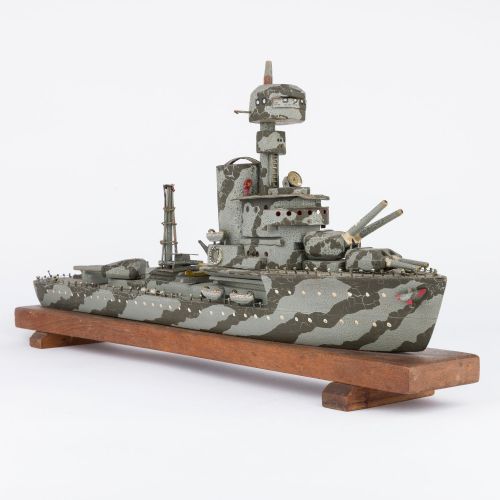
A vintage scale model ship represents historical watercraft, ranging from racing yachts and sailing ketches to Royal Navy battleships and two-masted schooners. These objects capture maritime history through detailed miniature construction.
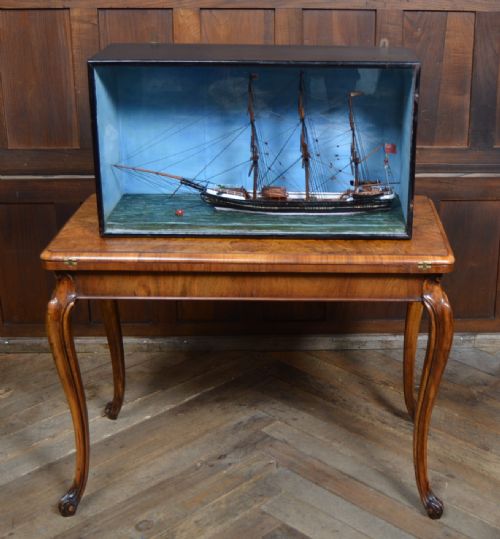
Buyers will encounter various forms on this page, including cased clipper models, half hull ship models, and scratch built representations like the HMS Endeavour. Pieces span from the late nineteenth century through the Edwardian period and the interwar years.
Originating within maritime industrial and Victorian maritime traditions, these pieces include specific vessel types such as barques, gondolas, and training models. Each item reflects the naval architecture and shipbuilding techniques of its respective era.
Materials and construction methods
Makers utilised wood as the primary structural material for hulls and decks, often combining it with metal components and brass fittings. Paint finishes were applied to delineate waterline markings and deck details.
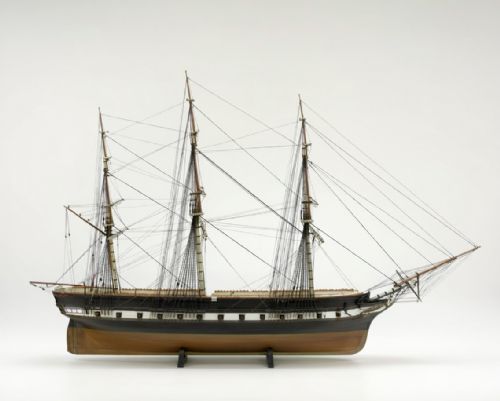
Rigging required meticulous work using thread, canvas, and cordage to replicate the standing and running rigging of actual sailing vessels. Some pieces incorporate glass enclosures to protect the delicate scale models.
Vintage Scale Model Ship Retail Price Guide 2026
Typical asking prices for vintage scale model ship among the pieces listed under this phrase on Sellingantiques today, from the lower quarter to the upper quarter. They describe what is for sale here now, not the wider market.
Listings feature wooden hulls, brass fittings, and glass cases spanning the nineteenth century, Edwardian era, and the 1930s.
Assessing craftsmanship and detail
Quality rests upon the fidelity of the scale proportions and the precision of the rigging work. Superior examples demonstrate rigorous attention to historical accuracy in the placement of deck furniture, anchors, and masts.
The degree of scratch building and individual hand construction distinguishes finer pieces from standard factory-produced or series items. Preservation of original painted surfaces and intact glass cases also influences the standing of a model.
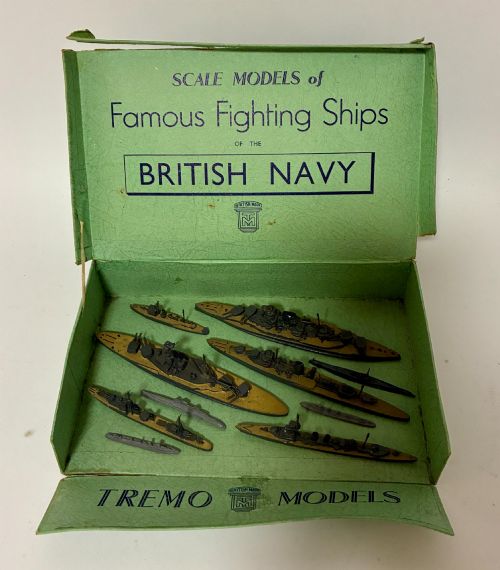
Liverpool Ship Building Co.·Tremo
The Vintage Scale Model Ship Glossary
- Barque
- A sailing vessel with three or more masts having the fore- and mainmasts square-rigged and the mizzenmast fore-and-aft rigged. This rig provided a balance between speed and handling efficiency.
- Ketch
- A two-masted sailing boat where the smaller mast sits forward of the rudder post. It is a traditional configuration often seen in coastal trading vessels.
- Cased model
- A scale ship enclosed within a glass and wood housing. This protection kept delicate rigging and painted surfaces safe from dust and physical damage.
- Half hull
- A three-dimensional model representing one side of a ship, mounted on a backboard. Shipbuilders originally used these to test hull designs before full construction.
- Scratch built
- A model constructed from raw materials and components rather than from a commercial kit. Makers built these entirely by hand using blueprints and historical references.
Vintage Scale Model Ship: Frequently Asked Questions
What materials are used in these models?
Makers constructed these models using wood, metal, and brass for the structural elements and fittings. Rigging incorporated specialised materials such as thread, canvas, and cordage.
Protective enclosures frequently utilised glass alongside timber frames to preserve the delicate components inside.
How do I date a model ship?
Dating relies on stylistic clues, historical vessel types, and construction materials typical of periods like the Victorian era, Edwardian period, or the 1930s. Specific naval designs or commemorative subjects often point to a precise timeframe.
Makers sometimes inscribed dates or shipyard names directly onto the hull or mounting board.
How should I display a cased model?
Cased models require stable placement away from direct sunlight and severe temperature fluctuations to protect the wood, paint, and rigging threads. A sturdy sideboard or dedicated display table provides adequate support.
Keep the glass enclosure sealed where possible to prevent dust accumulation on the intricate miniature deck fittings.