




Antique Bird Inkwell
An antique bird inkwell combines practical desk utility with sculptural novelty, capturing everything from owls to ostriches in bronze, wood and glass.
Antique Bird Inkwell
When you search for an antique bird inkwell, you encounter a specialised desk accessory designed to hold writing ink while depicting avian forms. These pieces bridge the gap between functional Victorian desk furniture and decorative Animalier sculpture.
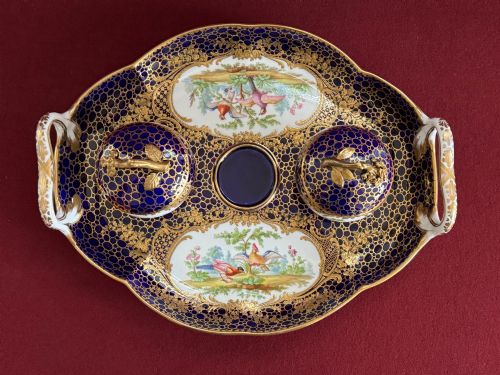
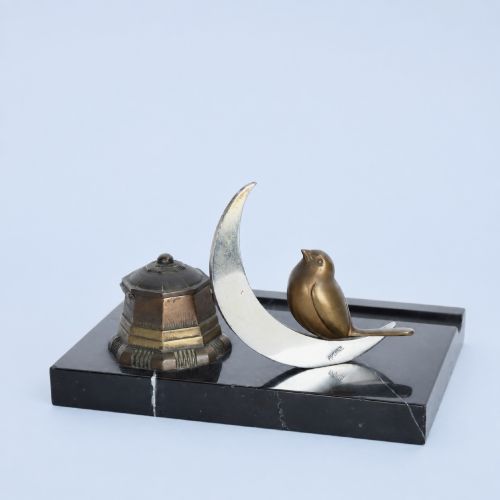
The versions most commonly met on this page span the Victorian period through to Art Deco production. They take the form of individual figural desk items or larger inkstands incorporating birds alongside game or foliage.
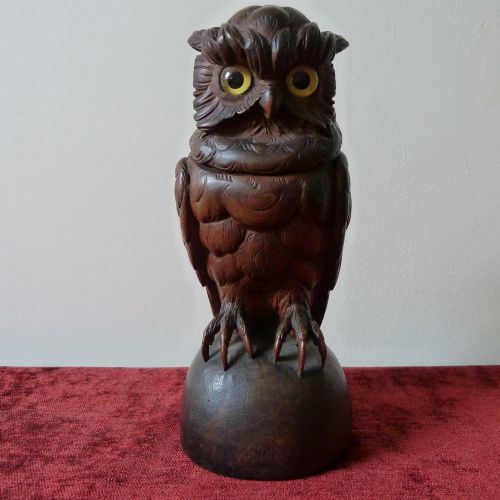
Makers utilised various sculptural subjects, ranging from carved wooden owls and eagles to cast bronze ostriches, parrots, chicks and game birds. Each piece serves as a tactile reminder of nineteenth and early twentieth century desk culture.
Materials and construction
Foundries cast metals such as bronze, brass and ormolu, sometimes applying cold painted finishes to achieve realistic plumage on birds like game fowl and parrots. Carvers worked with Linden wood and birdseyes maple to shape detailed Black Forest figures of owls and eagles.
Glassmakers produced heavy cut crystal and glass reservoirs to contain the ink safely within bronze mounts and marble bases. Porcelain factories like Minton shaped ceramic bodies with Sèvres style decoration for more formal desk stands.
Antique Bird Inkwell Retail Price Guide 2026
Typical asking prices for bird inkwell among the pieces listed under this phrase on Sellingantiques today, from the lower quarter to the upper quarter. They describe what is for sale here now, not the wider market.
Listings feature materials spanning bronze, marble, Linden wood, cut crystal and porcelain.
Judging quality and craftsmanship
The finest examples display crisp chasing in the bronze and intricate hand carving in wooden plumage that captures the true posture of the bird. Lesser pieces rely on softer casting lines and generic forms with minimal surface detail.
Integration between the bird figure and the ink receptacle defines superior design. Top tier items balance the sculptural subject harmoniously with the marble, wood or crystal base without the inkwell appearing merely tacked on.
The Antique Bird Inkwell Glossary
- Animalier
- A nineteenth century artistic movement focused on the realistic depiction of animals in sculpture. This style informs many of the bronze bird figures found on desk accessories.
- Cold painted bronze
- A technique where bronze sculptures are painted with polychrome oil paints rather than fired in a kiln. This finish is typical of Austrian and English novelty inkwells.
- Black Forest
- A style of wood carving originating in central Europe, particularly associated with Linden wood figures of animals. Owls and eagles are frequent subjects in this tradition.
- Inkstand
- A complete desk tray holding one or more inkwells alongside pen holders and stamp boxes. These larger pieces often incorporate multiple bird figures or hunting motifs.
- Ormolu
- Gilded bronze ornamentation applied to mounts and decorative details. It adds a bright metallic contrast to marble or glass desk pieces.
Antique Bird Inkwell: Frequently Asked Questions
What is an antique bird inkwell?
An antique bird inkwell is a desk accessory designed to hold writing ink, featuring a sculptural depiction of a bird. These pieces served as both functional stationery items and decorative ornaments for writing desks.
They appear in various materials including bronze, carved wood, porcelain and glass. The bird subject might form the lid of the ink reservoir or perch alongside it on a tray.
How were these inkwells used?
Owners placed them on writing desks or library tables to dip their quill or steel nib pens into liquid ink. The hinged bird figures or attached lids lifted to grant access to the glass or ceramic ink liner inside.
Larger versions served as centrepiece desk stands holding stamps, pens and multiple inkwells. They formed part of the standard apparatus for correspondence in the nineteenth and early twentieth centuries.
How do I date a bird inkwell?
Dating relies on stylistic clues, materials and manufacturing techniques typical of specific periods. Victorian pieces often feature heavy cast bronze or detailed Black Forest wood carvings, while 1930s examples lean towards Art Deco geometric marble bases.
Markings on the base, registration numbers and the style of the inner glass liner also provide chronological clues. Comparing the patina of the metal or wood helps establish the age of the piece.
Are these inkwells fragile?
While the bronze and wooden bodies are robust, the original glass or ceramic internal liners require careful handling. These inner vessels held the liquid ink and are susceptible to chipping if removed.
Surface finishes like cold painted pigment can also flake if exposed to moisture or rough cleaning. Gentle dusting preserves both the metal patina and any delicate paintwork.