





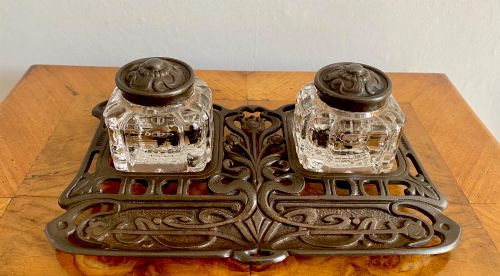


Art Nouveau Inkwell
An art nouveau inkwell brings organic fluidity and sinuous natural forms straight to the writing desk.
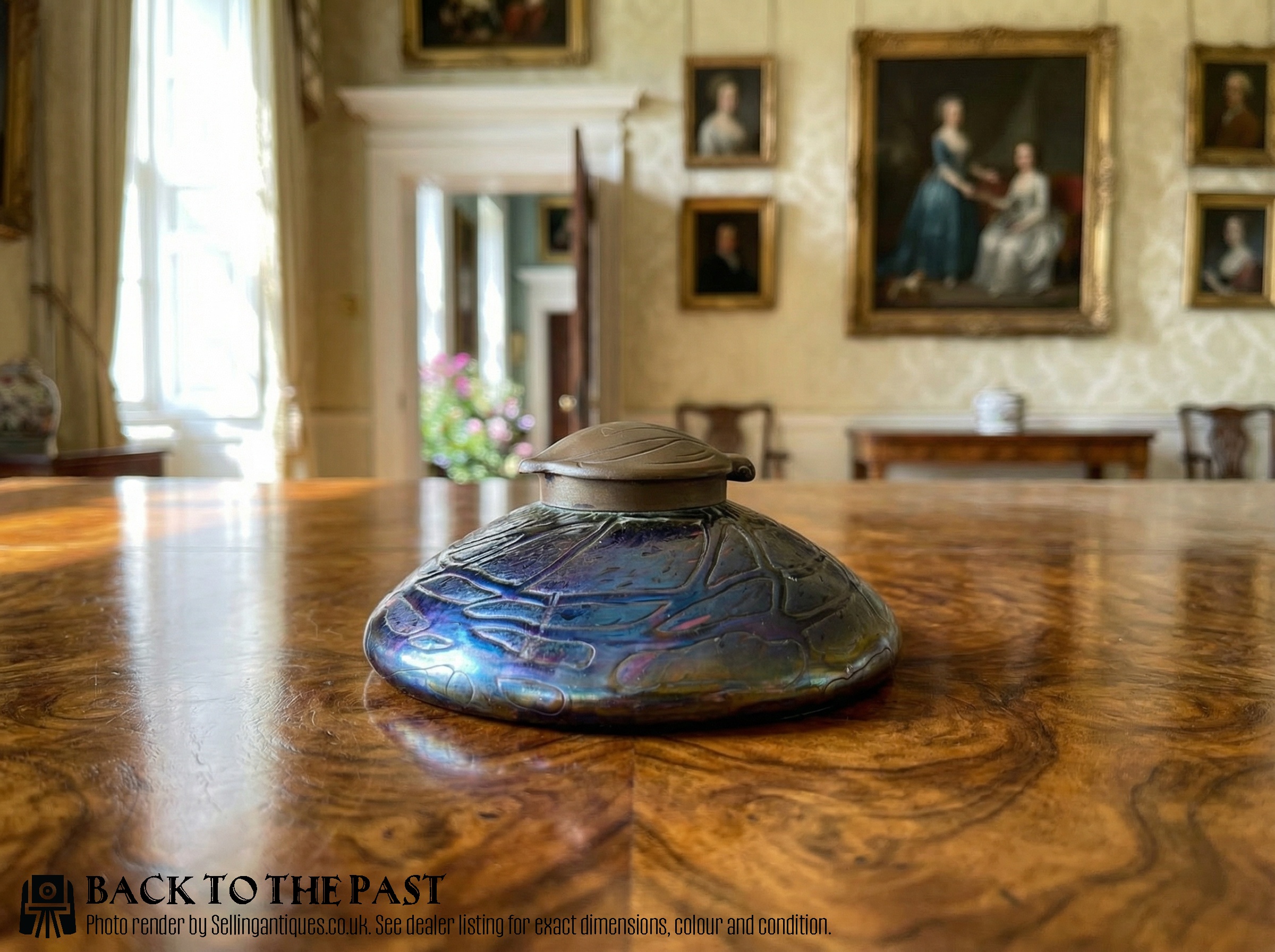
Art Nouveau Inkwell
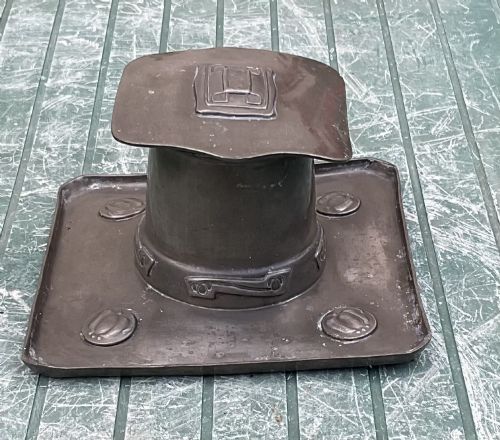
An art nouveau inkwell captures the distinctive curvilinear aesthetic of the late nineteenth and early twentieth centuries, appearing in forms such as inkstands, capstan inkwells, and double desk accessories. Buyers encounter pieces from the eighteen nineties through to nineteen hundred and ten, alongside Edwardian examples and later vintage interpretations.
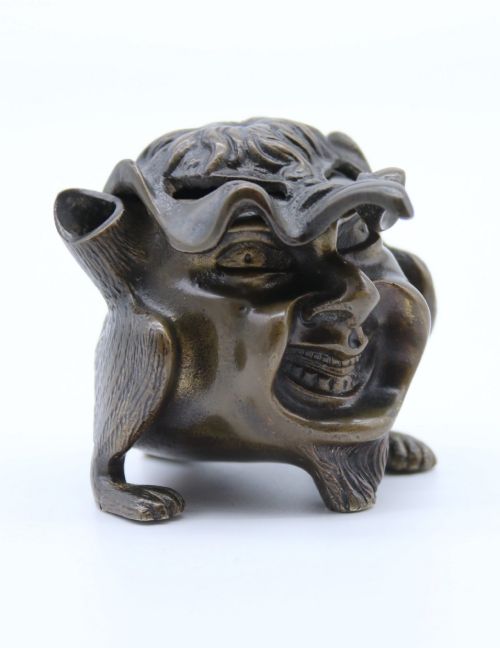
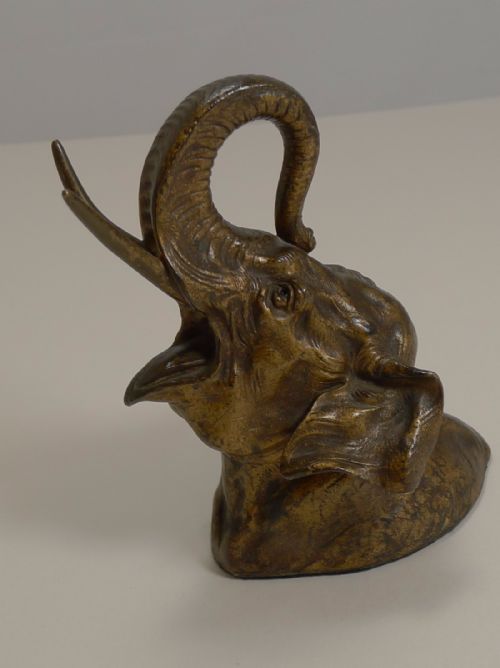
The objects take several distinct physical shapes, ranging from figural bronze elephants and maiden motifs to glass vessels mounted in metal stands. Origins span English, French, and Austrian workshops, reflecting the international spread of the style across different material traditions.
How they were made
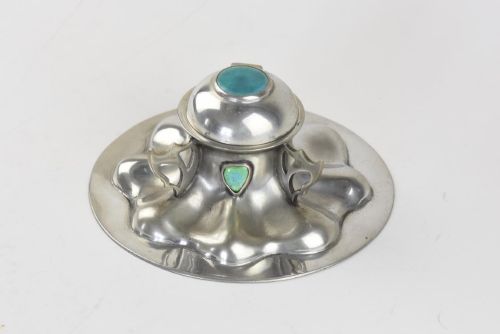
Makers utilised cast metals including brass, pewter, copper, bronze, and gilt bronze, often combining them with other substances like marble bases or leather desk components. Pewter and brass pieces demonstrate skilled casting and polishing techniques, while figural works display detailed sculptural modelling of animals and human figures.
Glass elements incorporate iridescence, lustre finishes, and crystal cutting, sometimes paired with sterling silver or polished pewter lids. Cabochons, such as those by Ruskin, appear set directly into the metalwork to provide ceramic colour accents.
Art Nouveau Inkwell Retail Price Guide 2026
Typical asking prices for art nouveau inkwell among the pieces listed under this phrase on Sellingantiques today, from the lower quarter to the upper quarter. They describe what is for sale here now, not the wider market.
Several inkwells feature sculpted bronze elephants holding ink reservoirs in their trunks, bringing heavy wildlife directly to polite correspondence.
What varies in quality
The artistic ambition of the casting and the crispness of the chased detail separate standard production pieces from exceptional works of design. Finer examples display integrated sculptural narratives, such as figures or insects wrapping organically around the glass or metal reservoir.
The choice and combination of materials dictate the upper tier of the range, where heavy cast bronze, signed maker attribution, or iridescent art glass elevate the object beyond simple utility. Harmony between the metal mount and the central glass or ceramic ink container defines the most successful compositions.
William Hutton·Kralik or Loetz·A. Marionnet·Ernest Louis Adnin·William Tonks·WMF
The Art Nouveau Inkwell Glossary
- Capstan inkwell
- A desk accessory shaped like a nautical capstan, featuring a wide base that tapers upwards towards a hinged lid. This form provides stability on the writing surface.
- Cabochon
- An unfaceted, polished gemstone or ceramic stone with a rounded top and flat base. Makers set these decorative elements directly into metal mounts to add colour.
- Figural
- Artworks incorporating human or animal representations into their primary structure. In these desk pieces, figures often form the main body or support the ink reservoir.
- Iridescent glass
- Glass treated with metallic salts to produce a shimmering, rainbow-like sheen across the surface. This technique was favoured by Bohemian and European glassmakers of the period.
- Inkstand
- A complete desk tray or stand designed to hold one or more inkwells alongside pen holders. These larger desk accessories often incorporate matching trays for nibs and stamps.
Art Nouveau Inkwell: Frequently Asked Questions
What is an art nouveau inkwell?
An art nouveau inkwell is a desk accessory designed during the late nineteenth or early twentieth century, characterised by flowing lines, floral motifs, and organic shapes inspired by nature.
These pieces combine functional ink reservoirs with sculptural metalwork, glass, or ceramic elements to serve as both writing tools and decorative desk centrepieces.
How were these inkwells used?
These inkwells held liquid ink for dip pens, serving as the central writing accessory on a desk before the invention of the fountain pen.
Users dipped their nibs directly into the central glass or ceramic insert through a hinged lid, which helped prevent the ink from drying out too quickly.
How do I date an art nouveau inkwell?
Dating relies on stylistic markers, hallmarks, signatures, and material combinations typical of the eighteen nineties and the nineteen hundreds.
Pieces bearing specific metalworker marks, sterling silver assay office dates, or distinct factory stamps offer the most precise chronological placement.
What materials are common?
Common materials include cast brass, polished pewter, copper, bronze, and sterling silver, frequently paired with glass or ceramic inserts.
Some examples incorporate marble bases, leather desk pads, or ceramic cabochons to add texture and colour contrast to the metal structure.