



Vintage Desk Organiser
A vintage desk organiser brings order to papers and pens while anchoring a study with period character.

Vintage Desk Organiser
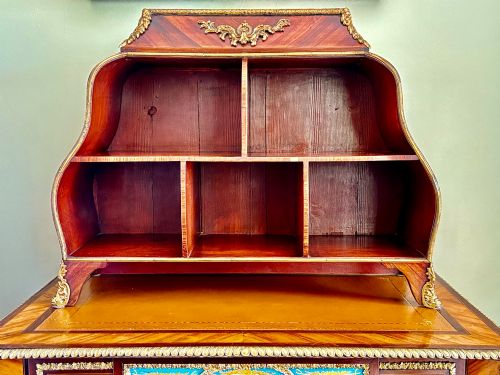
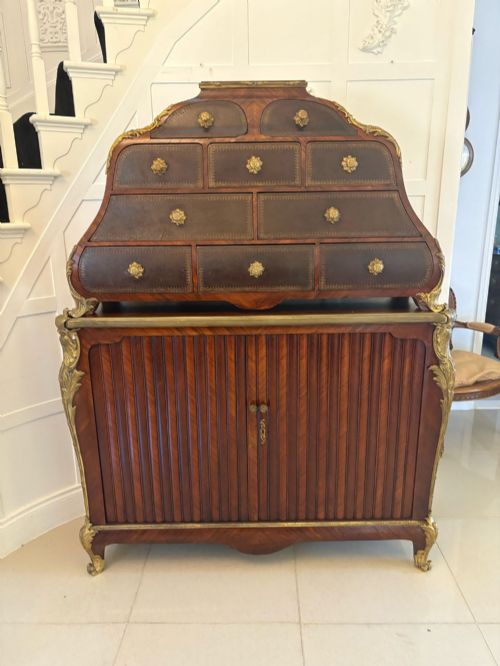
A vintage desk organiser encompasses stationery cabinets, letter boxes, desk tidies, and inkstands designed to hold writing materials in order. These pieces appear frequently in Edwardian, Victorian, and 19th-century incarnations, reflecting the heavy correspondence of past eras.
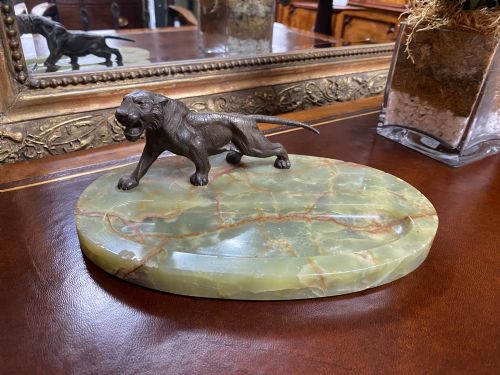
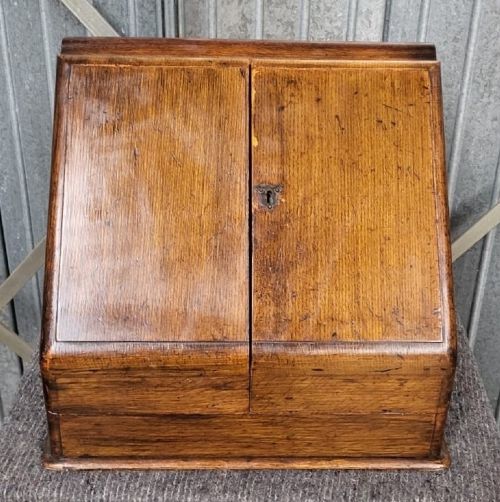
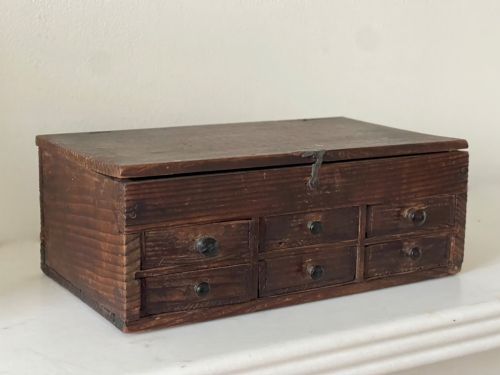
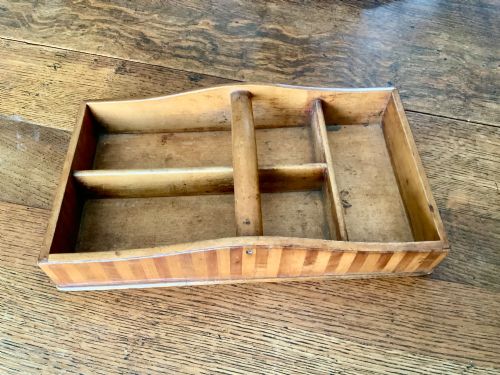
Wooden desk boxes and pigeon holes offer compartments for letters and papers, while brass or marble desk tidies provide dedicated rests for pens and ink wells. Buyers often encounter mahogany and oak stationery cases alongside smaller bronze and silver accessories.
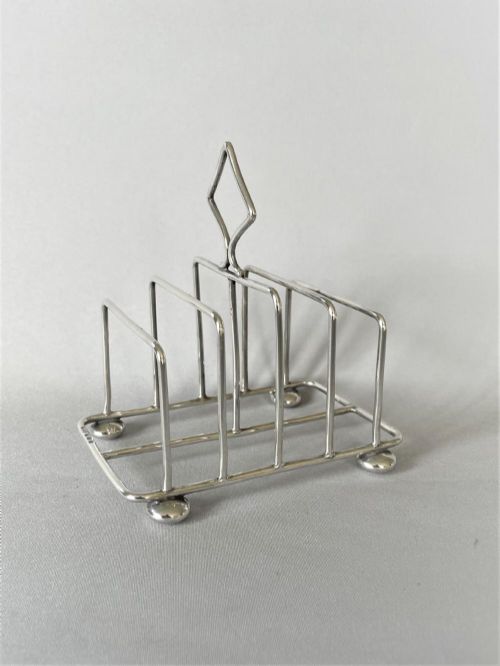
Makers adapted these desktop accessories for domestic studies and administrative offices alike, ranging from simple oak letter racks to elaborate walnut and ormolu desk sets.
Materials and construction
Cabinetmakers utilised hardwoods such as mahogany, oak, and walnut, frequently incorporating hinged lids, fall fronts, and secret drawers into stationery boxes. Brass and copper hardware, from hinges to letter clips, added structural support and decorative contrast to the timber.
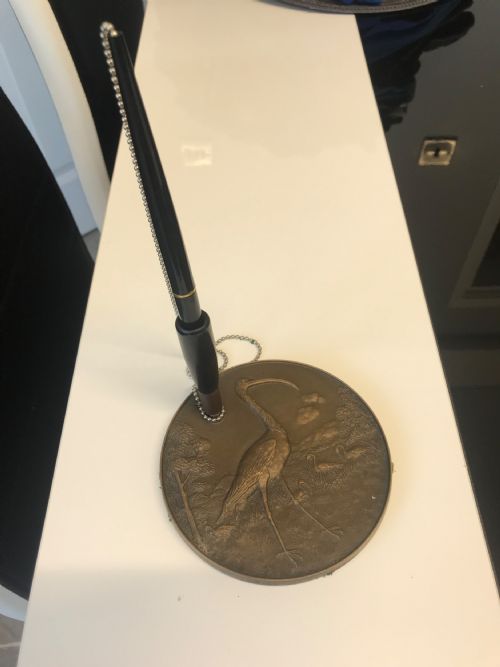
Metal accessories relied on casting and cold painting, as seen in bronze pen rests and iron or silver-plated desk tidies. Artisans also worked with glass for inkwells and applied marble, bakelite, and papier-mâché to create varied desktop surfaces.
Vintage Desk Organiser Retail Price Guide 2026
Typical asking prices for vintage desk organiser among the pieces listed under this phrase on Sellingantiques today, from the lower quarter to the upper quarter. They describe what is for sale here now, not the wider market.
Materials range from traditional golden oak and silver plate to rarer amber bakelite and cold-painted bronze.
Assessing craftsmanship
Quality rests in the precision of the joinery and the selection of timber grain, particularly in mahogany and oak stationery cabinets where dovetailed corners and matched veneers dictate the standard. Finer pieces display careful inlay work, substantial brass mountings, and fully functioning locks with matching keys.
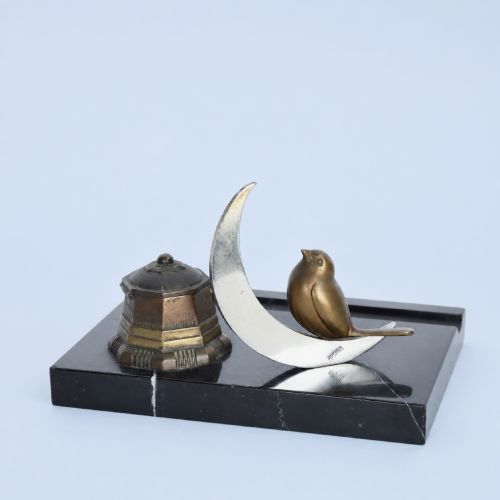
The weight and detail of cast metal components, such as bronze bird figures or ormolu mounts, distinguish superior desk tidies from mass-produced items. Original fitted interiors, complete with glass ink inserts and undamaged velvet or leather linings, elevate the standing of a piece.
Elkington·A.Cohen & Co Ltd London·Hermes
The Vintage Desk Organiser Glossary
- Stationery box
- A desktop cabinet featuring a sloping lid or fall front designed to store writing paper and envelopes neatly. These enclosures often contain tiered wooden partitions inside.
- Desk tidy
- A tray or stand incorporating troughs, pen rests, and inkwell compartments to keep writing implements contained. They appear in brass, marble, and polished wood.
- Book slide
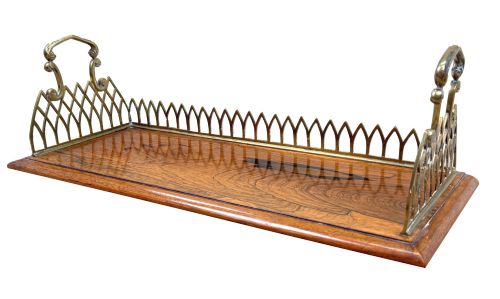
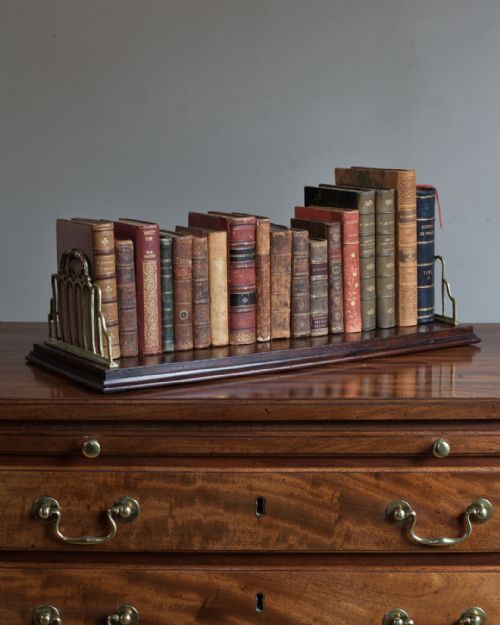
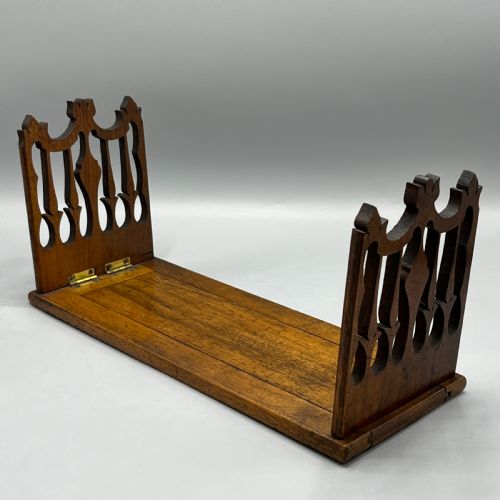
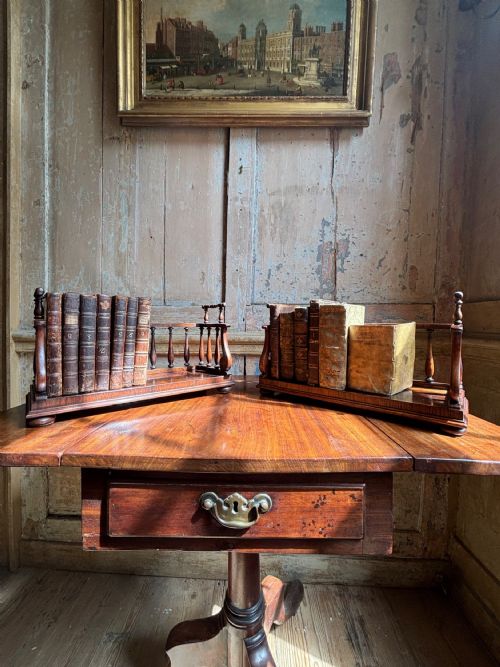
- An adjustable rack with expanding ends to hold a row of reference books upright on a desktop. They frequently feature hinged wooden or metal sides.
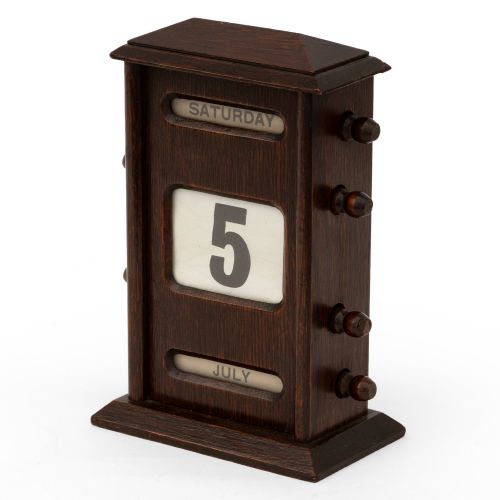
- Perpetual calendar
- A mechanical desk accessory with rotatable drums or sliding panels to display the date month after month without resetting. They are often mounted in oak or silver.
- Vide poche
- A small tray or shallow receptacle placed on a desk to empty pockets into or hold small loose items. The term translates directly from French as empty pocket.
Vintage Desk Organiser: Frequently Asked Questions
What is a vintage desk organiser used for?
These items keep correspondence, writing paper, pens, and stamps sorted on a desktop or writing table. Their various compartments accommodate letters, inkwells, and calendars.
Historically, they maintained order in domestic studies and offices before the advent of digital communication. Today, they serve a similar practical function while displaying period materials.
How do I date a wooden stationery box?
Dating relies on observing timber choices, construction techniques, and hardware styles across different periods. Victorian and Edwardian examples often utilise solid oak or mahogany with brass hinges and locks.
Earlier pieces from the 19th century may display hand-cut dovetailing and richer grains like coromandel or rosewood. Maker marks and patent stamps can also narrow down the year of manufacture.
Are inkwells usually included with desk tidies?
Many antique desk tidies and inkstands retain their original glass or ceramic inkwell inserts with hinged metal lids. Some pieces show missing inserts due to breakage over decades of use.
Replacements can be sourced, but finding a piece with its matching factory inserts adds completeness. The presence of dried ink residue often confirms period use.
Where should I place a desk organiser?
These pieces suit home offices, studies, or entrance halls where mail and small items accumulate. Larger stationery cabinets require a stable desk or side table with sufficient depth.
Smaller bronze trays and letter holders sit comfortably on narrower ledges or sideboards. Direct sunlight should be avoided to protect antique wood finishes and leather details.