


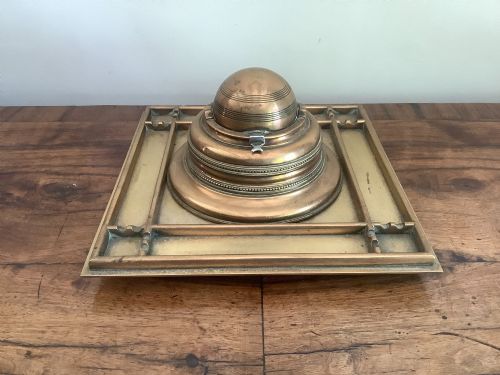


Antique Pen Stand
When you search for an antique pen stand, you uncover desktop pieces designed to hold writing instruments alongside ink and stationery.
Antique Pen Stand
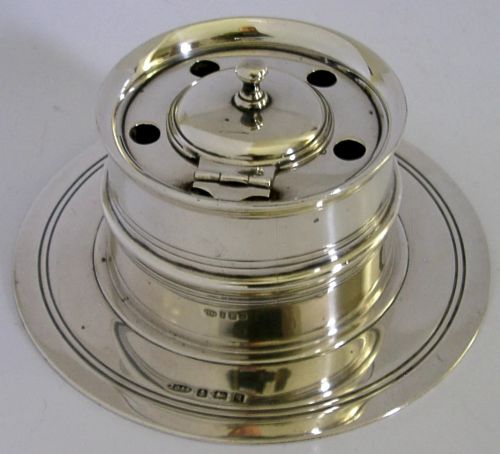
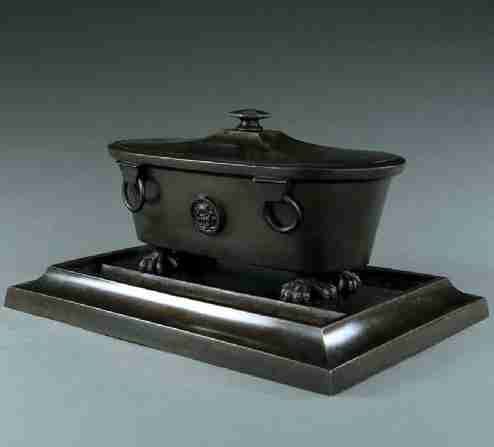
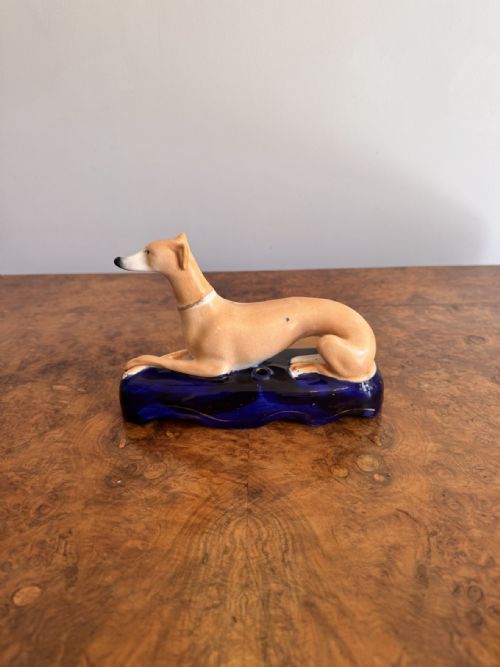
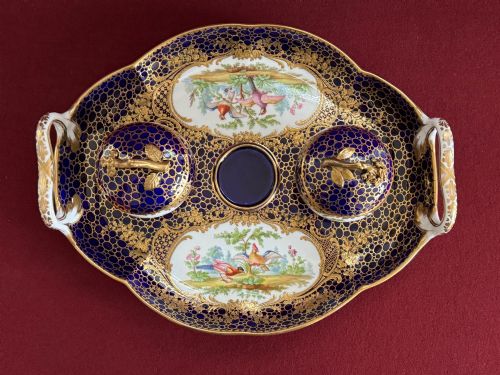
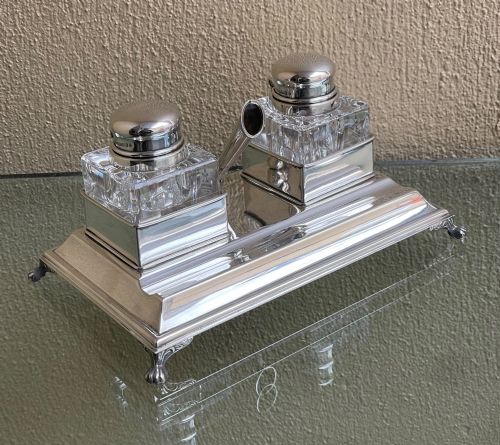
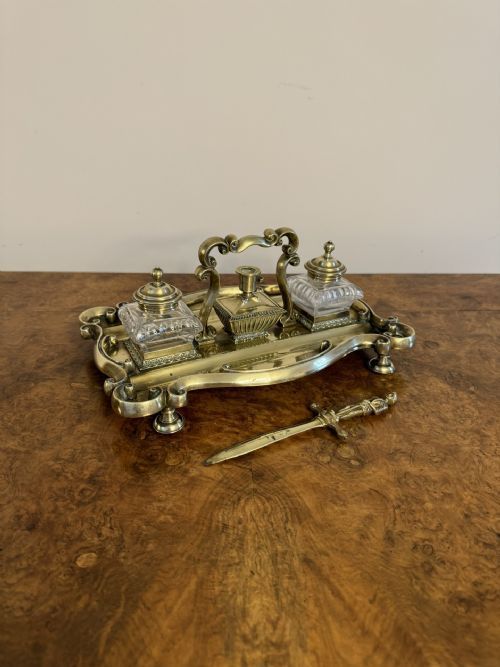
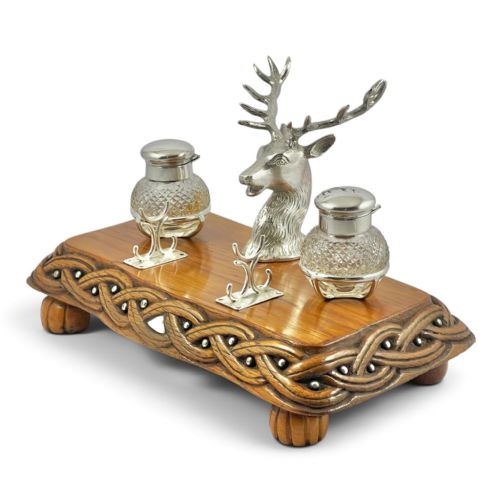
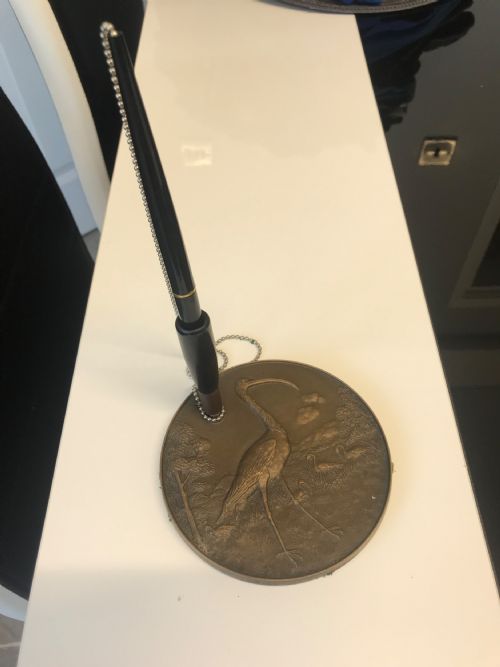
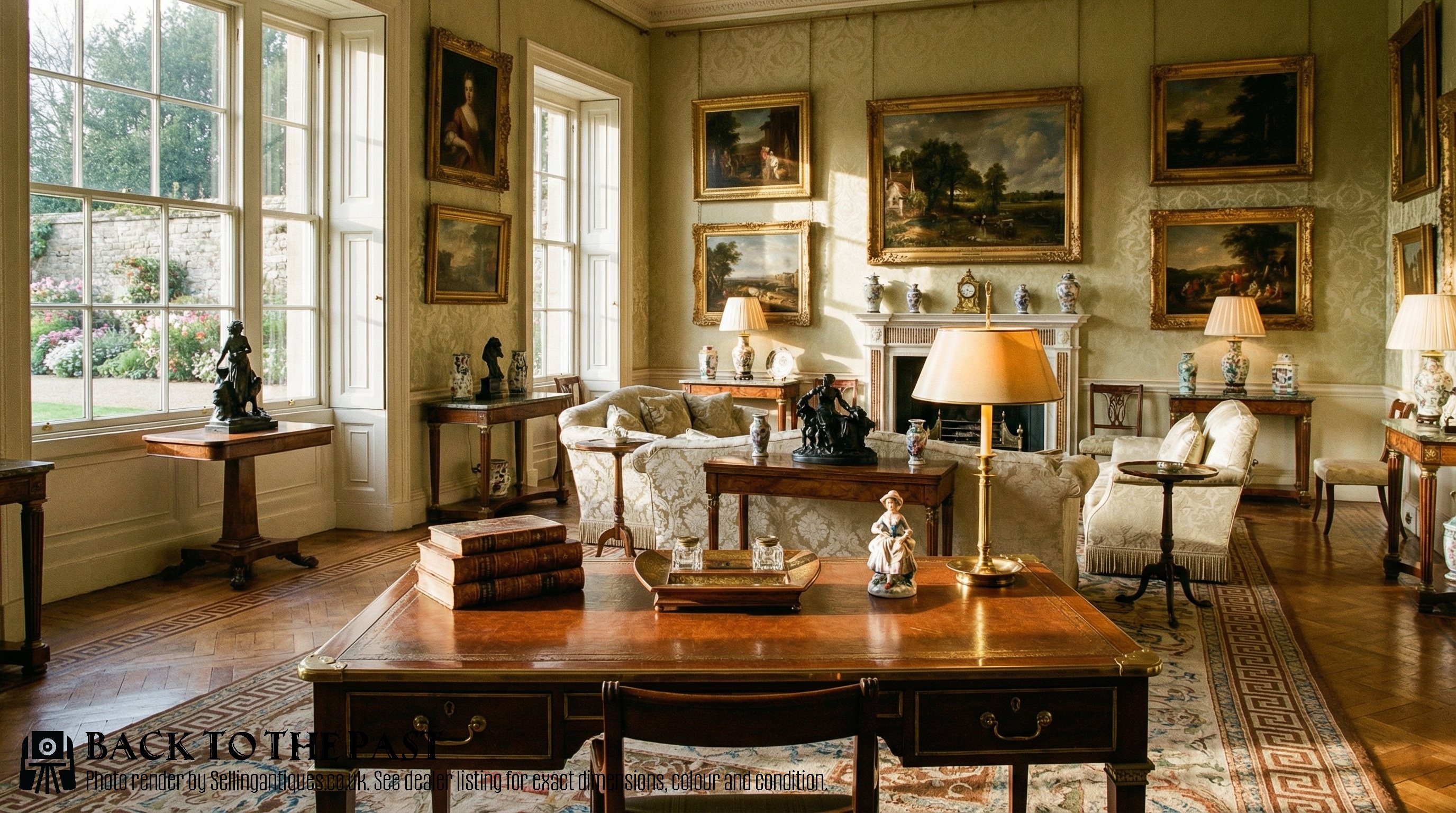
An antique pen stand forms part of a broader family of desk accessories, inkstands, and inkwells intended to organise writing desks from the Georgian, Victorian, and Edwardian eras. These items appear in various configurations, ranging from simple porcelain or bronze rests to substantial fitted trays equipped with glass inkwells and compartments.
The objects frequently encountered on this page date predominantly from the nineteenth century, reflecting the heavy reliance on hand-written correspondence during the Victorian period. Alongside dedicated quill holders and pen rests, many examples integrate chambersticks, clocks, or space for blotting paper to serve multiple desktop functions.
Makers utilised a wide range of materials to construct these desks accessories, matching the prevailing aesthetic tastes of periods such as Regency, Art Nouveau, and the Arts and Crafts movement. Whether formed from solid silver, polished pewter, or exotic timbers like coromandel and walnut, each stand reveals the design priorities of its decade of manufacture.
How They Were Made
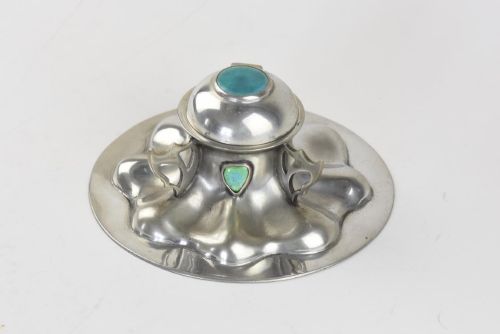
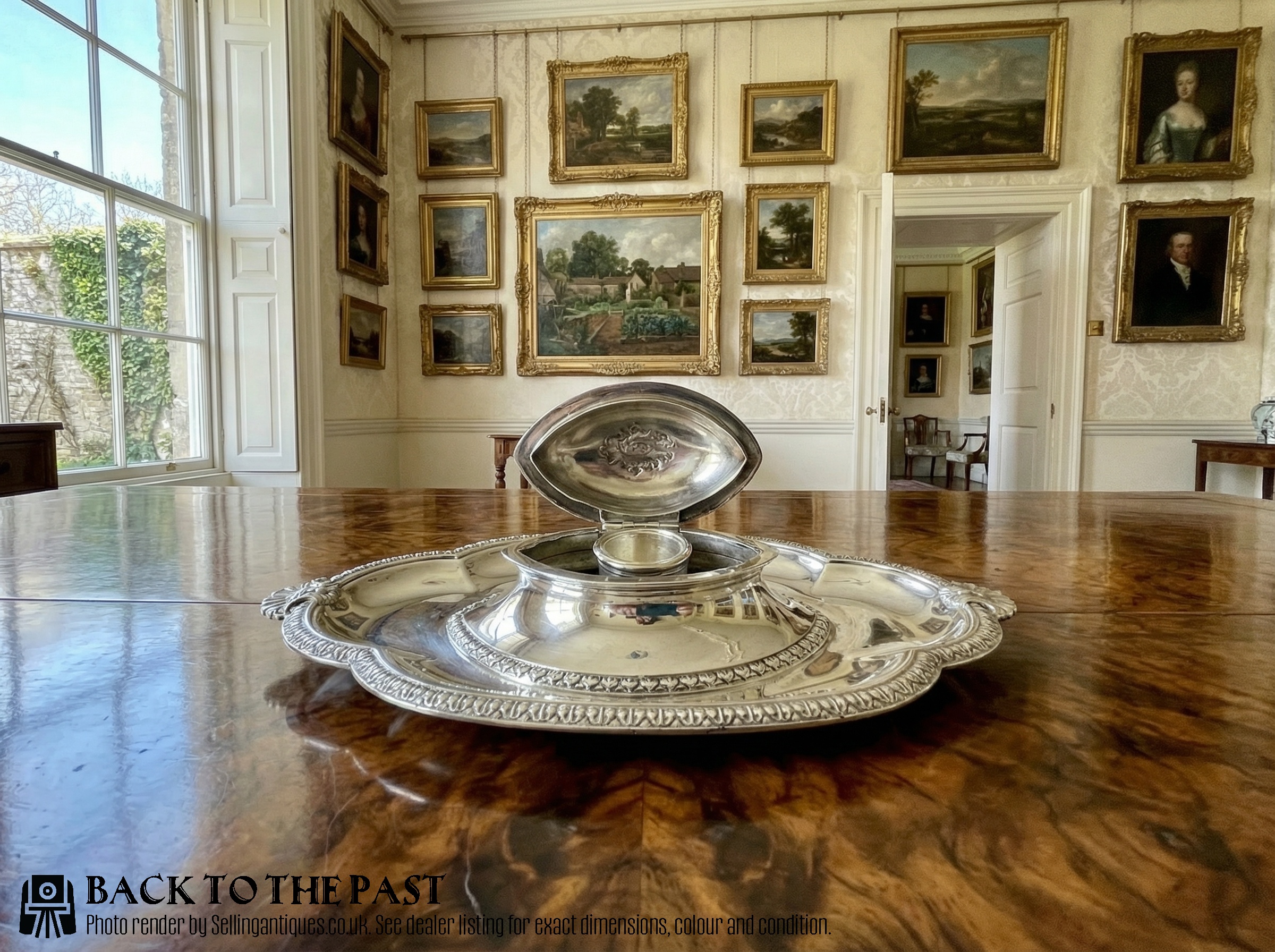
Metals such as brass, bronze, sterling silver, and silver plate were cast, chased, or repoussé-worked to form the structural trays and decorative mounts of many writing stands. Pewter and ormolu also appear frequently, often paired with Ruskin cabochons or patinated finishes.
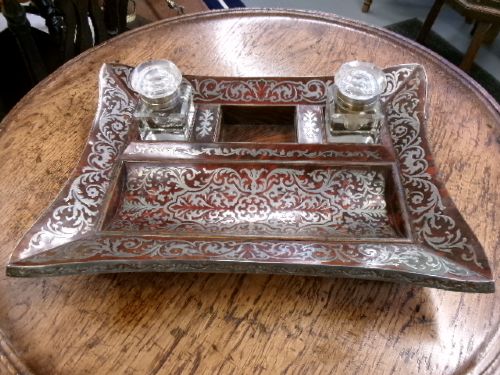
Woodworking traditions dictated the construction of timber bases, utilising rich veneers of mahogany, rosewood, coromandel, and walnut, frequently enhanced with mother-of-pearl inlay, brass stringing, or Boulle work. Papier-mâché and Kashmiri painted constructions introduced lightweight alternatives, sometimes decorated with gold leaf.
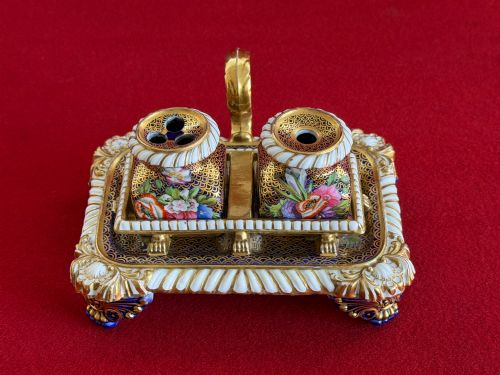
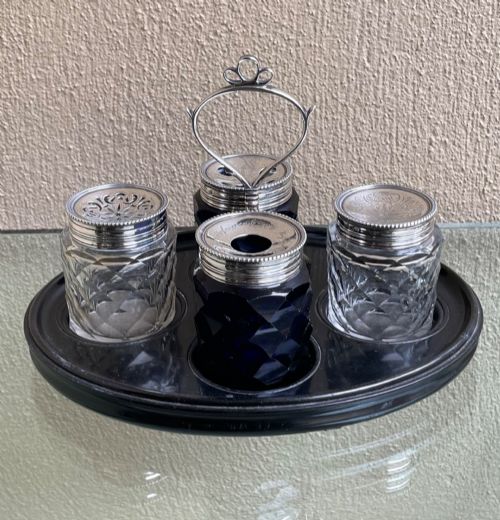
Glassmakers contributed heavy cut-glass or plain glass reservoirs for ink, usually fitted with hinged metal lids to prevent evaporation. Earthenware, porcelain from factories like Spode, and Dutch Delft blue and white faience provided ceramic components for glazed inkstands and quill holders.
Antique Pen Stand Retail Price Guide 2026
Typical asking prices for pen stand among the pieces listed under this phrase on Sellingantiques today, from the lower quarter to the upper quarter. They describe what is for sale here now, not the wider market.
A bronze lizard occasionally lurks beside an inkwell to startle the unwary writer.
What Varies in Quality
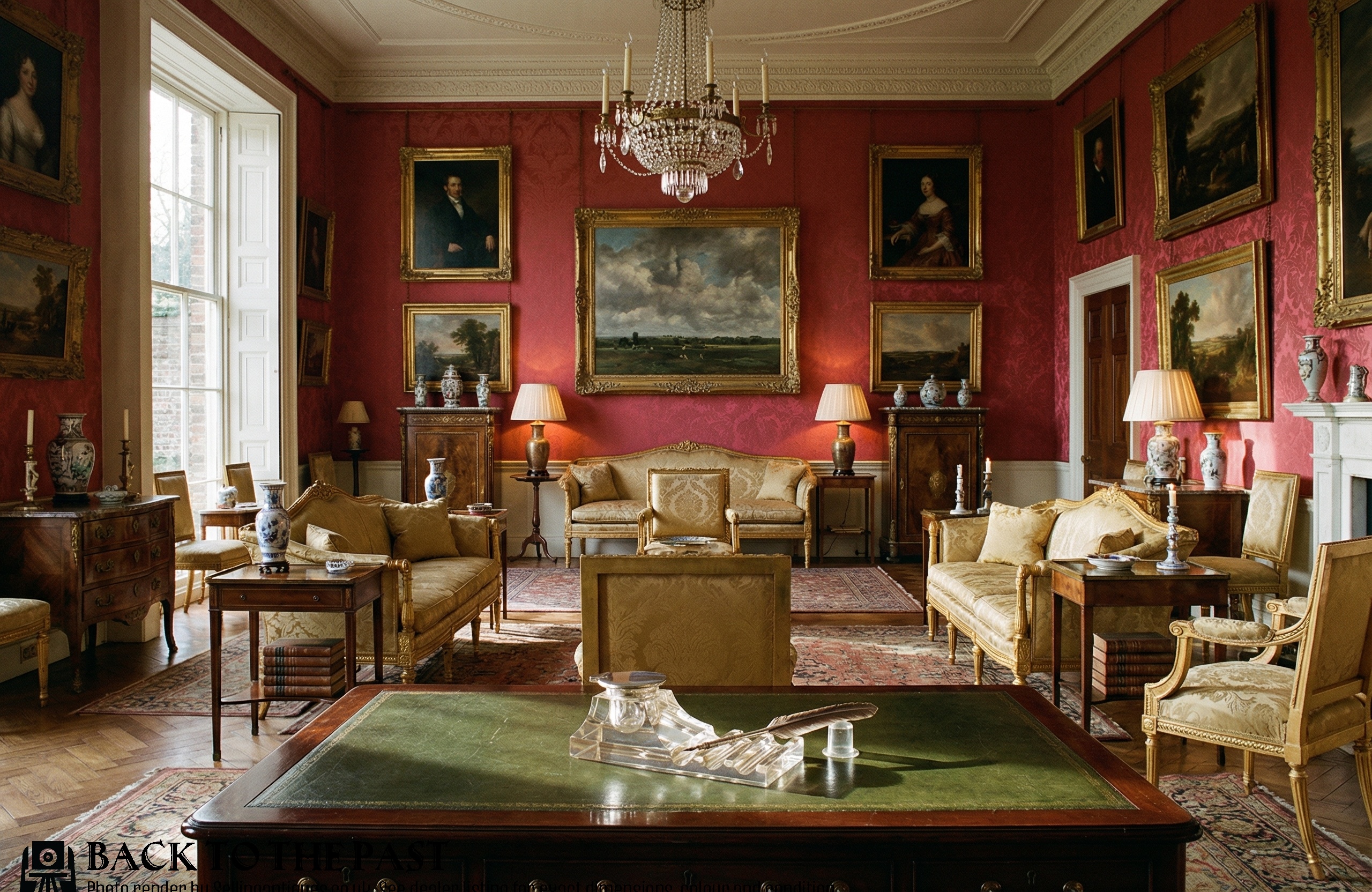
The calibre of an antique pen stand often depends on the ambition of its design and the integration of its components, such as matching inkwell inserts and dedicated pen channels. Finer examples combine multiple costly materials, including solid silver mounts, lapis lazuli, or finely inlaid tortoiseshell, rather than relying solely on plated metals or plain secondary timbers.
Execution of detail separates standard desk accessories from exceptional ones, particularly in cast bronze animal figures, hand-painted papier-mâché, or chased silver ornamentation by notable silversmiths. The weight of the metal and the precision of the joinery on wooden bases reveal the original standard of workshop production.
A.Cohen & Co Ltd London·Walker And Hall·Peter and Anne Bateman·Robert Garrard
The Antique Pen Stand Glossary
- Inkstand
- A portable tray or stand holding inkwells, pen rests, and sometimes sanders or wafer boxes. It forms the central apparatus of nineteenth-century desk organisation.
- Boulle Work
- An elaborate form of marquetry consisting of tortoiseshell and brass inlaid in scrollwork patterns. It adorns luxury French desk stands from the mid-nineteenth century.
- Quill Holder
- A specific support designed to cradle feather quills or early dip pens before steel nibs became universal. They often take sculptural ceramic or metal forms.
- Ormolu
- Gilded bronze applied as decorative mounts on furniture and desk accessories. The technique creates a bright gold appearance on cast metal surfaces.
- Papier-Mâché
- A composite material made from paper pulp or layers of paper reinforced with glue, then lacquered and painted. It provided a smooth dark ground for inlaid mother-of-pearl.
Antique Pen Stand: Frequently Asked Questions
What is the difference between an inkstand and an inkwell?
An inkstand is the complete desk tray that accommodates one or more inkwells along with pen rests and accessory compartments. An inkwell is simply the individual lidded vessel that holds the ink.
Many antique sets feature removable glass or ceramic inkwells that drop securely into fitted recesses within a larger silver, brass, or wooden stand.
How do I date a Victorian pen stand?
Dating relies on a combination of material fashions, structural styles, and any accompanying hallmarks found on silver or plated mounts. Victorian pieces span from the early nineteenth century to the opening years of the twentieth century, evolving from heavy Regency influences to ornate Rococo Revival and later Arts and Crafts simplicity.
Maker's marks and date letters stamped onto silver components provide the most precise chronological indicator, while secondary woods and decorative techniques help narrow down unmarked examples.
Were these stands meant to be portable?
Many nineteenth-century desk accessories were designed to be easily moved around a large house or carried during travel. Campaign styles and compact stands allowed writers to maintain their correspondence away from a fixed library table.
Heavier marble, bronze, and extensive wooden desk tidies remained stationary fixtures in studies, whereas lighter papier-mâché or fitted silver stands were frequently relocated.
How do I care for antique brass and silver stands?
Metal components require gentle maintenance to preserve their patination without removing historical character. Avoid harsh chemical dips on antique silver and plated items, using soft cloths and mild cleaning agents instead.
Wooden and papier-mâché bases should be kept away from direct sunlight and excessive moisture to protect delicate veneers, tortoiseshell inlay, and hand-painted surfaces.