
Victorian Inkwell
When you search for a victorian inkwell, you enter a diverse world of desk accessories shaped from glass, brass, silver, and wood.
Victorian Inkwell
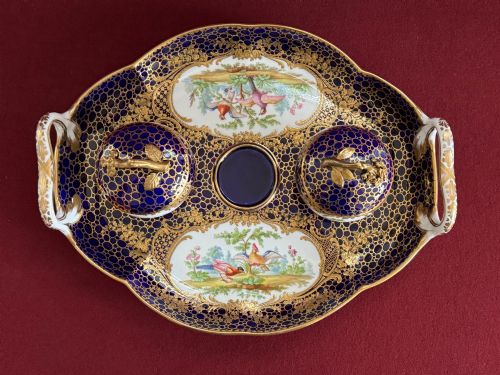
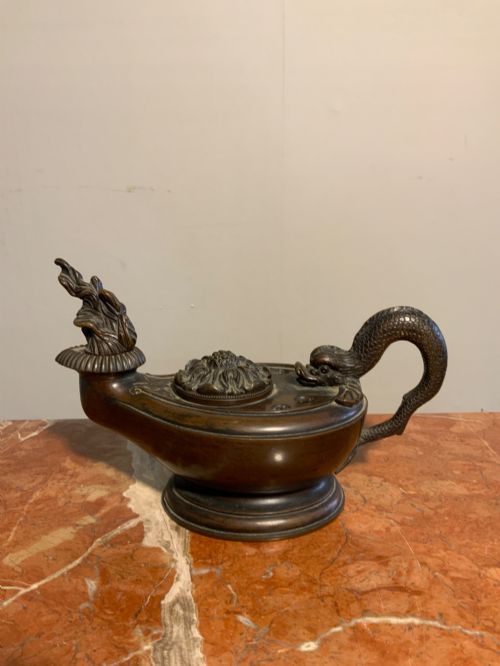
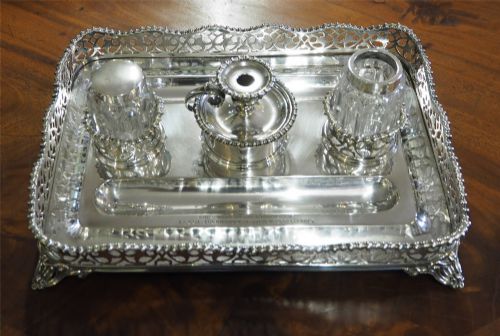
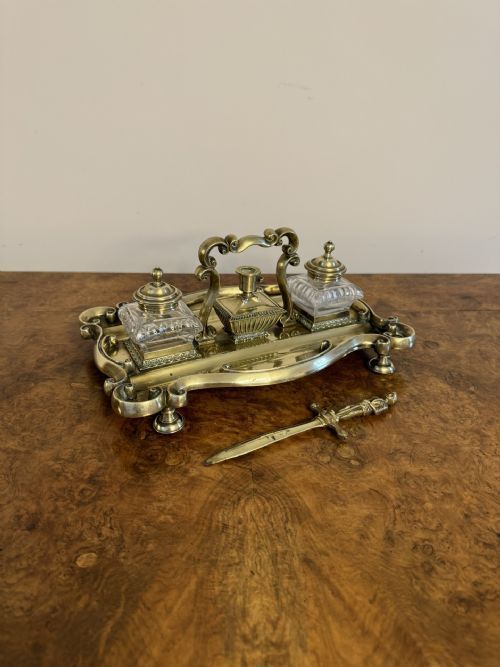
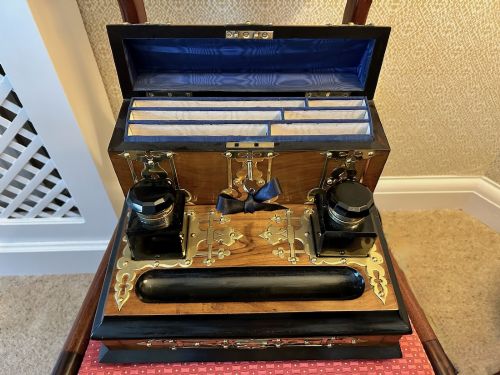
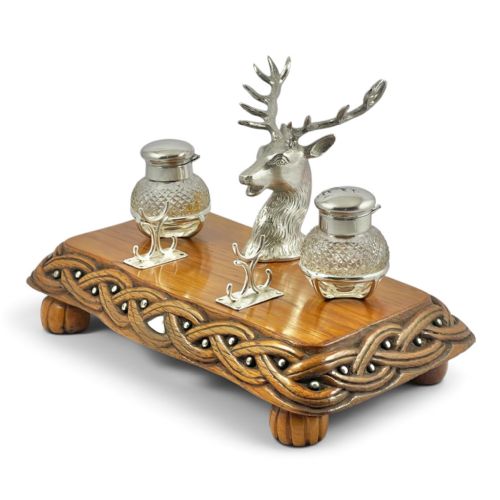
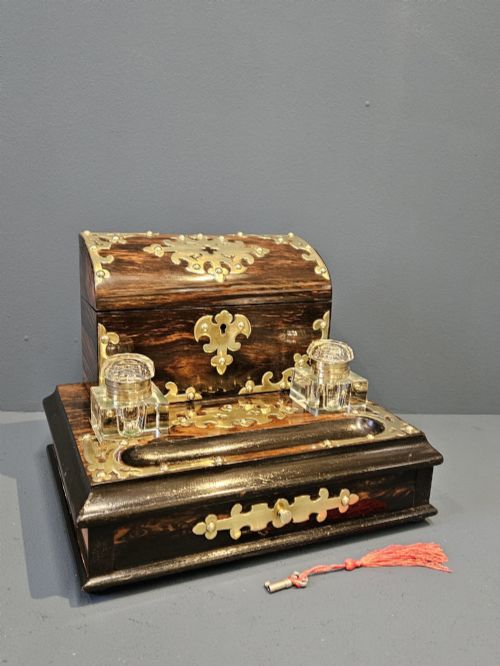
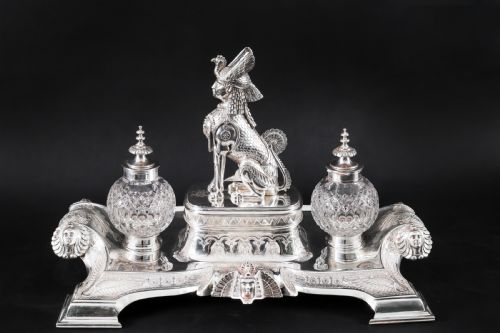
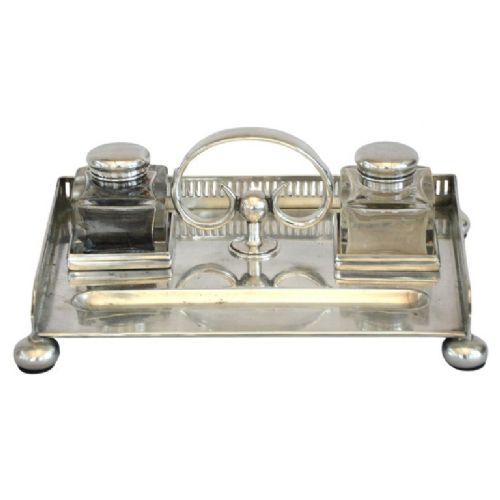
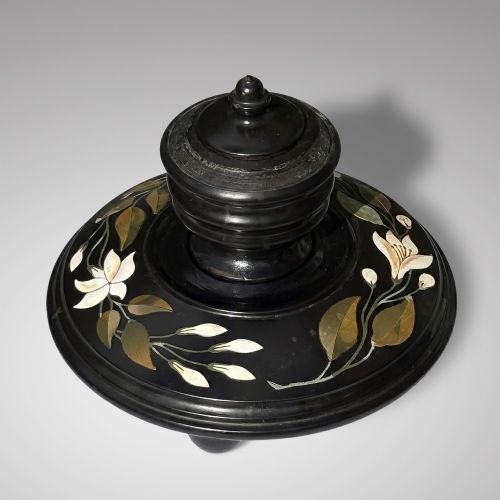
A victorian inkwell encompasses a wide range of desk accessories designed to hold ink for writing, appearing as single pots, paired glass inserts, or elaborate stands holding pens and stationery.
The objects on this page originate primarily from the nineteenth century, spanning periods from early Victorian to Edwardian, alongside French Second Empire and Grand Tour examples.
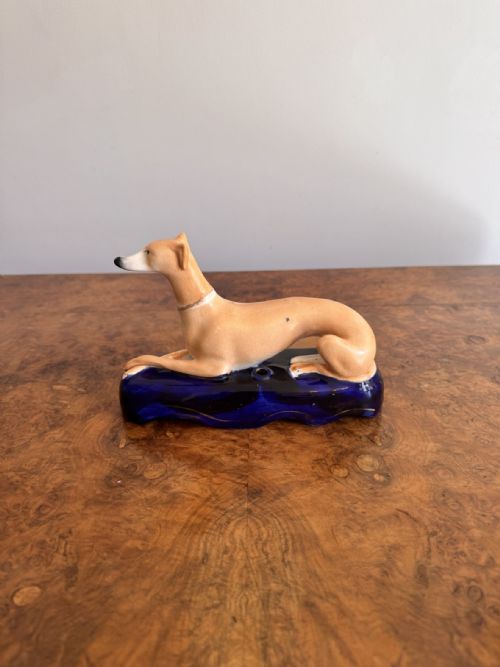
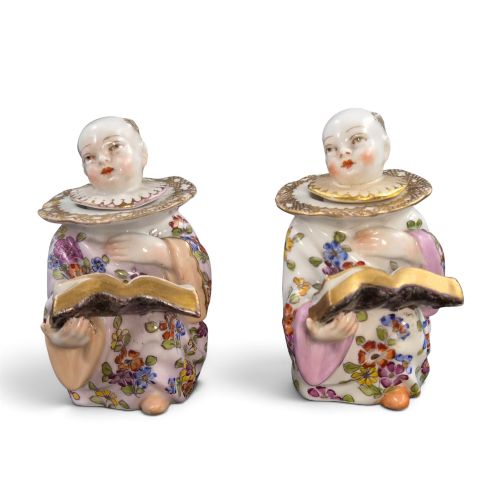
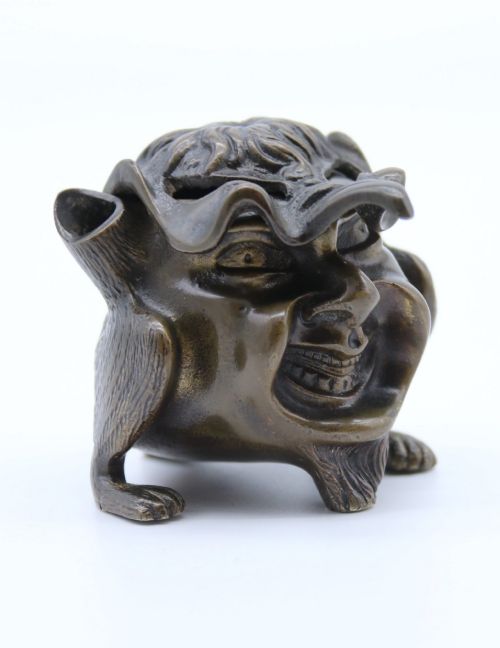
Forms vary from simple glass and brass ink pots to large multi-piece desk stands, travelling containers with secure lids, and novelty animalier carvings.
How they were made
Makers utilised a combination of metals such as brass, bronze, silver plate, and sterling silver, often mounted onto bases of oak, walnut, coromandel, or marble.
Glass elements range from heavy cut glass and amber glass to simple ink pots, frequently fitted with hinged metal caps of silver or brass.
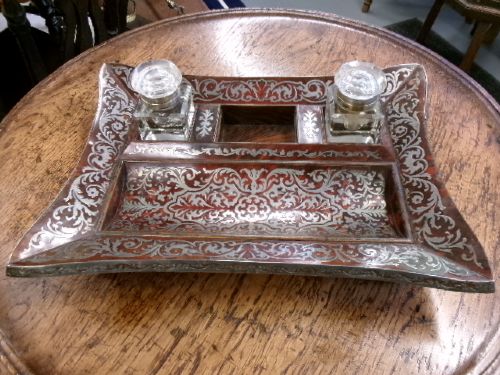
Decorative techniques recorded include champleve enamel, boulle work inlay, guilloche enamel, and detailed hand-carved wood or taxidermy mounts.
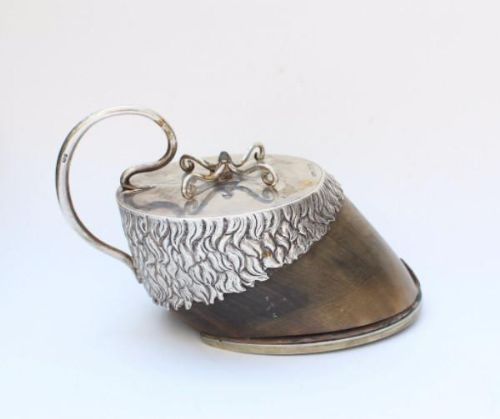
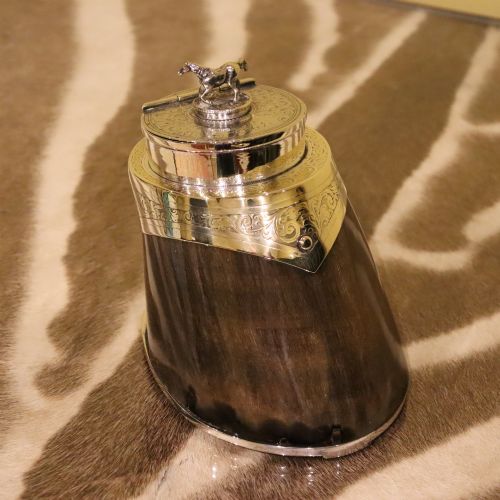
Several pieces creatively incorporate real horse hooves and animal shells directly into the inkstand design.
What varies in quality
Quality rests upon the weight and purity of the materials, distinguishing solid sterling silver mounts and heavy cast bronzes from lighter silver-plated or base metal alternatives.
The execution of detail defines the superior pieces, visible in crisp chased ornamentation, precise marquetry inlay, and well-fitted hinged lids that seal correctly.
Provenance and maker attribution elevate certain works, particularly pieces bearing hallmarks from established silversmiths or documented Parisian and English workshops.
Edmé Samson·Wilkinson And Co·Walker And Hall·Harrods·William Comyns·J Grinsell And Sons·John Grinsell And Sons·George Fox·Hukin And Heath·A And J Zimmerman
The Victorian Inkwell Glossary
- Inkstand
- A complete desk stand holding one or more inkwells alongside space for pens, sanders, and wafers.
- Inkwell
- A small vessel designed specifically to hold liquid ink for a dip pen on a desk.
- Desk Tidy
- A larger desk accessory combining compartments for stationery, letters, and integrated ink receptacles.
- Animalier
- A nineteenth-century artistic style focusing on the realistic portrayal of animals, frequently seen in figural inkwells.
- Boulle Work
- The technique of inlaying brass and tortoiseshell into wooden furniture and desk surfaces, popular in French-influenced design.
Victorian Inkwell: Frequently Asked Questions
What is the difference between an inkwell and an inkstand?
An inkwell is simply the individual pot that holds the liquid ink for writing.
An inkstand is a larger desk set that incorporates one or more inkwells alongside dedicated rests for pens and compartments for other writing tools.
How do I use a travelling inkwell?
Travelling inkwells were engineered with secure screw-down or tightly hinged lids intended to prevent leaks while moving.
Users should check the internal washer or seal before adding ink to ensure the vintage mechanism still closes tightly.
How do I care for antique brass and glass?
Brass components benefit from gentle dusting and occasional cleaning with a soft cloth to preserve the natural patina.
Glass ink inserts should be washed carefully by hand in warm water, avoiding harsh abrasives that might scratch the vintage material.
How can I tell the period of an inkstand?
Dating relies on examining the materials, decorative styles, and any accompanying hallmarks stamped onto the metal mounts.
Silver components often feature clear date letters and maker marks, while woods like coromandel and styles like Art Nouveau point to specific decades within the nineteenth and early twentieth centuries.