
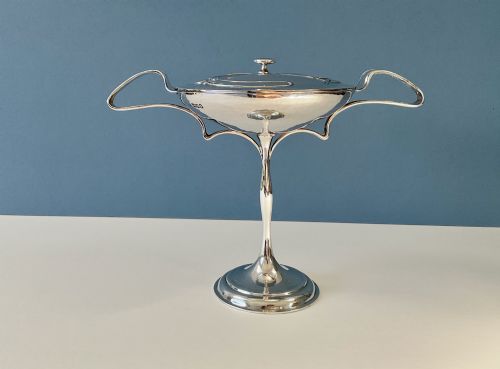


Edwardian Silver Tureen
These Edwardian silver tureen pieces are substantial dining vessels from the early twentieth century designed for serving food with elegance.
Edwardian Silver Tureen
An edwardian silver tureen is a covered serving dish meant for presentation at the formal dining table. These vessels originate primarily from the nineteen hundreds and the Edwardian period, functioning as practical tableware for entertaining.
The pieces appearing on this page take the form of entree dishes, rectangular serving dishes, oval entree dishes, covered bowls, and serving tureens. Buyers frequently encounter matched pairs alongside single larger serving vessels.
Origins and styles span the Edwardian era alongside influences from the Art Nouveau period and occasional Victorian survivals. The dominant forms rely on silver plate and electroplated nickel silver rather than solid metal.
How they were made
Production centres on base metals like nickel silver or EPNS which receive a coating of silver through electroplating techniques. This method allowed workshops to manufacture durable serving vessels with the appearance of solid silver at a lower cost.
Silversmiths shaped the bodies through rolling and pressing sheet metal into rectangular or oval moulds. Handles, feet, and decorative borders were cast separately and soldered onto the main body of the tureen.
Listings demonstrate that Edwardian serving dishes rely almost exclusively on silver plate and electroplated nickel silver, with solid silver appearing rarely.
What varies in quality
Quality rests upon the thickness of the silver plating and the crispness of the chased or cast decorative details. Heavier gauge base metals prevent warping and provide a more substantial weight in the hand during service.
The reputation of the maker influences desirability, with established firms applying superior finishing techniques to hinges, lids, and handles. Surviving crispness in Art Nouveau motifs or borders indicates minimal wear from polishing over the decades.
Mappin and Webb·Hamilton and Inches
The Edwardian Silver Tureen Glossary
- EPNS
- Electroplated nickel silver. This serves as the primary base metal composition for the vast majority of Edwardian serving dishes.
- Entree dish
- A shallow covered vessel used for serving specific courses at the dining table. These rectangular or oval pieces often feature removable handles to allow the lid to double as a secondary shallow dish.
- Silver plate
- A thin layer of pure silver bonded to a base metal core. This technique provided households with durable tableware during the Edwardian period.
- Tureen
- A deep serving bowl equipped with a lid, traditionally used for soups, stews, or main dishes. Edwardian examples frequently adopt elongated oval or rectangular formats.
Edwardian Silver Tureen: Frequently Asked Questions
What is an edwardian silver tureen used for?
These vessels were created for presenting food at the dining table, specifically holding dishes like vegetables, meats, or entrees during formal meals. The tight-fitting lid helped retain heat while dishes were brought from the kitchen to the dining room.
Today, many buyers utilise them as decorative centrepieces or functional serving dishes for modern dinner parties. Their period aesthetic adds character to a traditional dining room setting.
Are these pieces made of solid silver?
The vast majority of pieces from this period are silver plated over nickel silver rather than being manufactured from solid silver. Manufacturers used electroplating to create durable dining vessels that offered the visual appeal of solid silver at a more accessible cost.
Solid silver versions do exist in the archive records but appear much less frequently on the market. Hallmarks or stamps on the base typically indicate whether a piece is solid or plated.
How do I clean silver plated tureens?
Cleaning requires a soft cloth and a specialised silver polish formulated for plated items to avoid wearing away the thin silver layer. Gentle circular motions remove tarnish without applying excessive pressure to raised decorative motifs.
Storing the vessels in a dry environment away from direct sunlight helps minimise future tarnish build-up. Regular dusting is usually sufficient for pieces kept purely on display.
How can I tell an Edwardian piece apart from a Victorian one?
Edwardian designs often exhibit lighter, more restrained ornamentation compared to the heavier, ornate styles typical of the Victorian era. The presence of flowing, organic Art Nouveau lines also points toward the early twentieth century.
Maker marks and registration numbers stamped on the base provide definitive clues for dating a piece accurately. Examining the typography and style of these stamps helps narrow down the period of manufacture.