
Silver Table Bowl
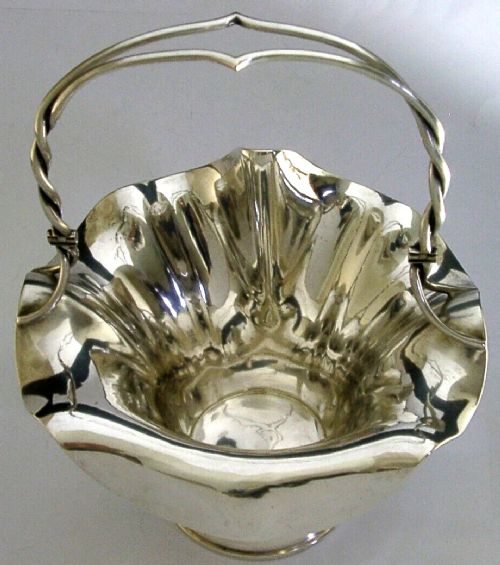
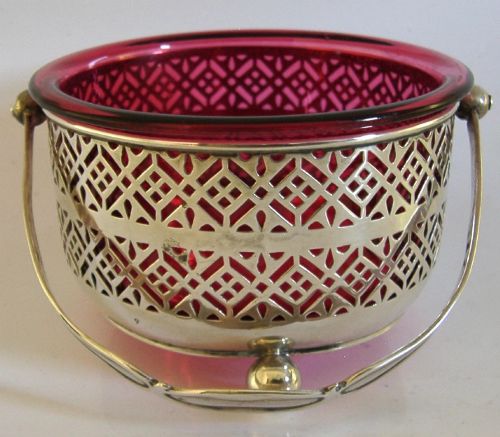
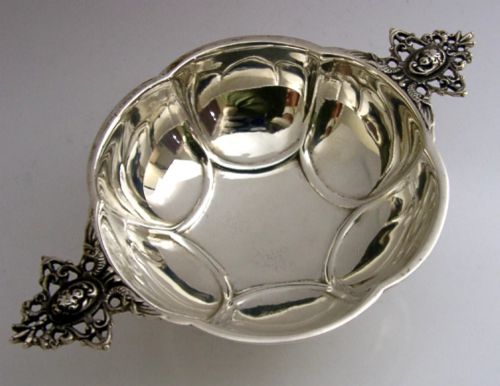
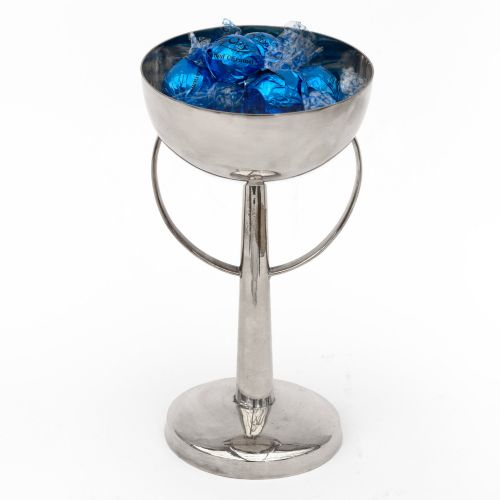
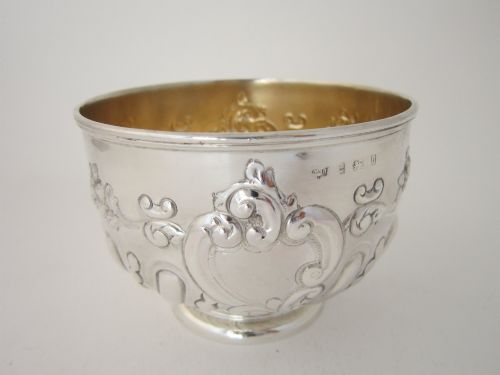
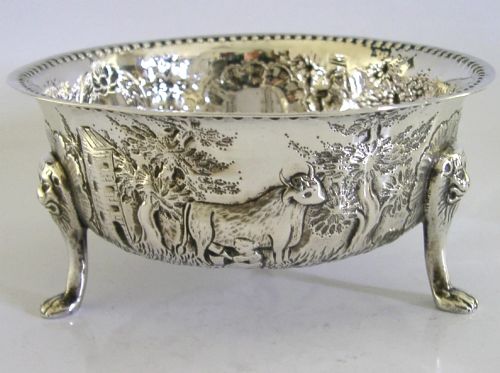
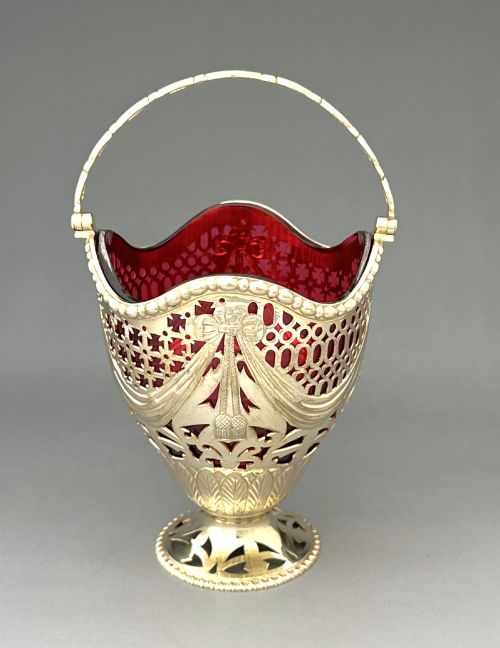
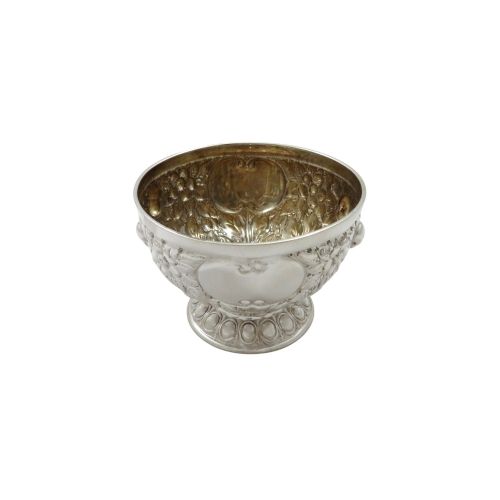
These silver table bowl examples range from Georgian Rococo to Arts and Crafts, offering substantial sterling silver forms for collectors.
Identifying silver table bowl pieces
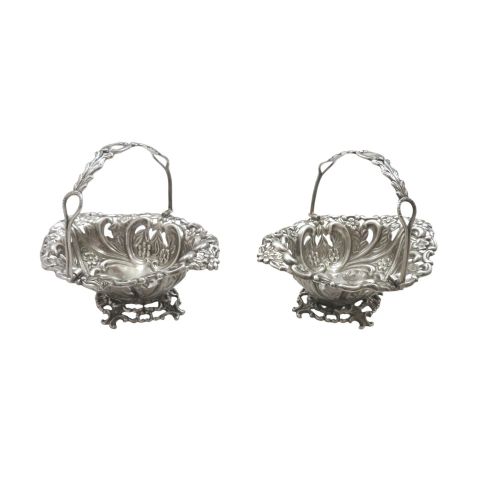
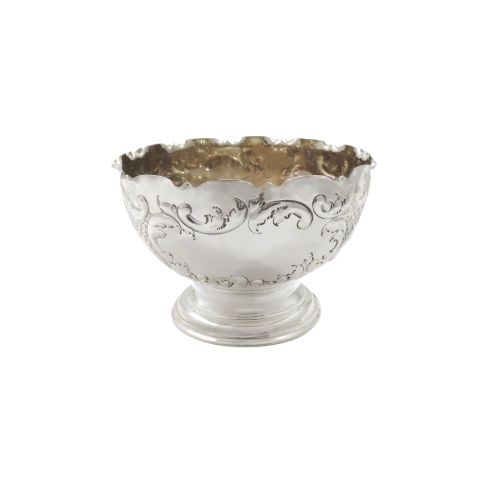
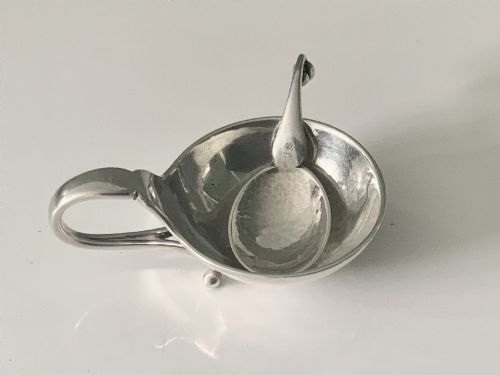
A silver table bowl search uncovers decorative bowls, sugar bowls, and bowls and dishes made from sterling silver across several eras. The pieces recorded span Victorian, 1930, 1750, and nineteenth century periods.
Buyers frequently encounter Victorian and Arts and Crafts examples, alongside Georgian Rococo and William IV variants. Forms include sugar bowls, basins, and general decorative table vessels.
Materials and construction
Items in this category consist of sterling silver. Makers shaped these metals into distinct table bowls using traditional smithing techniques.
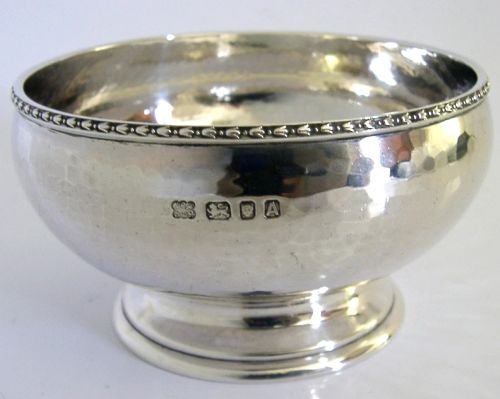
Surviving pieces display specialised surface treatments, such as the planished hammered textures seen on Arts and Crafts examples.
Retail Price Guide 2026
Typical UK retail prices for silver table bowl, calculated from the Sellingantiques database of over a million retail prices indexed since 2003. This retail price guide relies exclusively on Sellingantiques data; no external sources or auction records are used, so the figures do not describe the wider market.
Assessing quality in silver table bowl pieces
Quality differences emerge through the execution of period styles, from Georgian Rococo ornamentation to the distinctive surface work of Arts and Crafts pieces. The crispness of detail on sterling silver surfaces distinguishes finer items.
The weight and gauge of the sterling silver utilised in each vessel dictate its substantial feel and durability over centuries of handling.
Tiffany & Co
The Silver Table Bowl Glossary
- Sterling silver
- A silver alloy containing 92.5 percent pure silver by mass and 7.5 percent other metals, usually copper. This standard alloy provides the durability required for table vessels.
- Planished
- A metalworking technique involving light hammering with a polished tool to smooth the surface and create a characteristic faceted texture. Arts and Crafts makers utilised this finish extensively.
- Georgian Rococo
- An ornate design style characterised by asymmetrical scrolls, floral motifs, and shell work popular during the Georgian era. This style appears on mid-eighteenth century items in the collection.
- Sugar bowl
- A small open or lidded vessel designed to hold sugar for tea service. These domestic objects form a distinct subset within table bowl categories.
Frequently Asked Questions
What periods do these silver table bowl pieces date from?
The recorded items span multiple eras, including Georgian, Victorian, William IV, and the 1930s. Individual pieces reflect the distinct design characteristics of their respective decades.
Specific dates range from mid-eighteenth century examples up through early twentieth century modernist and traditional designs.
What materials are used in these items?
Every piece recorded in this category is constructed from sterling silver. The metal provides both the bright finish and structural integrity expected of fine antique tableware.
Surface finishes vary according to the period style, ranging from smooth polished silver to hammered textures.
How do I identify an Arts and Crafts silver bowl?
Arts and Crafts pieces often feature hand-worked surfaces, such as planished hammer marks that show the maker's manual labour. These items depart from mass-produced factory decoration in favor of visible craftsmanship.
The style prioritizes honest materials and simple, robust forms over excessive applied ornamentation.
What was the original use for a silver table bowl?
These vessels served various domestic functions, from holding sugar and serving food to displaying floating roses on a dining table. Their placement in formal rooms reflected the owner's social status.
Many survived as decorative centrepieces rather than utilitarian kitchenware due to their precious material.