




Engraved Silver Vessel
An engraved silver vessel brings functional historic metalwork into daily spaces, offering enduring craftsmanship from Georgian, Victorian, and Edwardian eras.
Engraved Silver Vessel
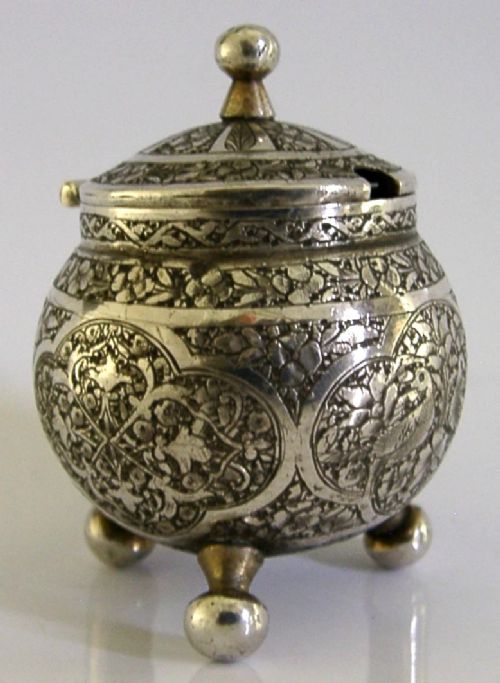
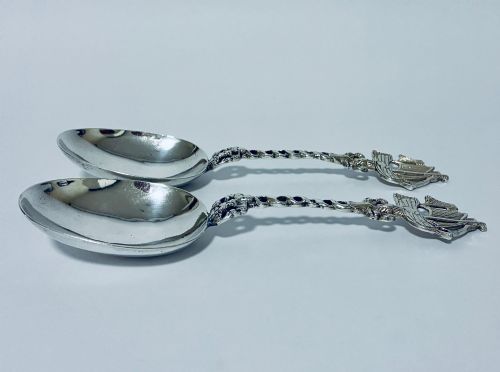
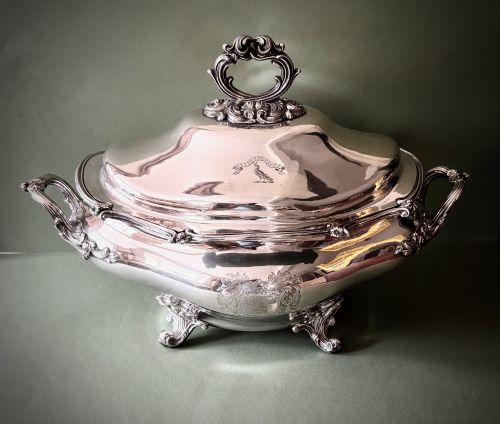
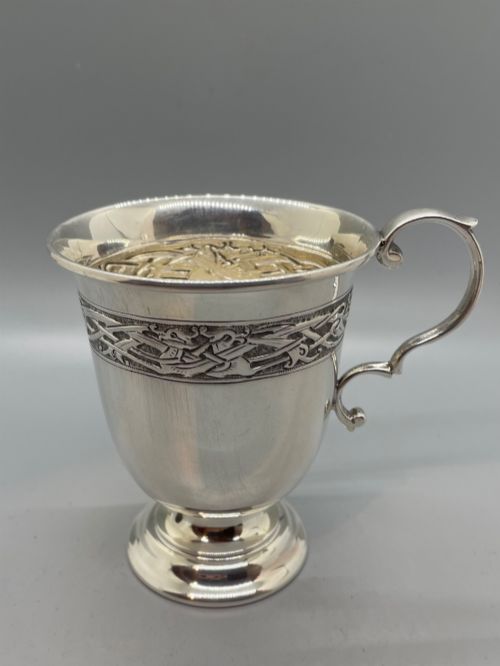
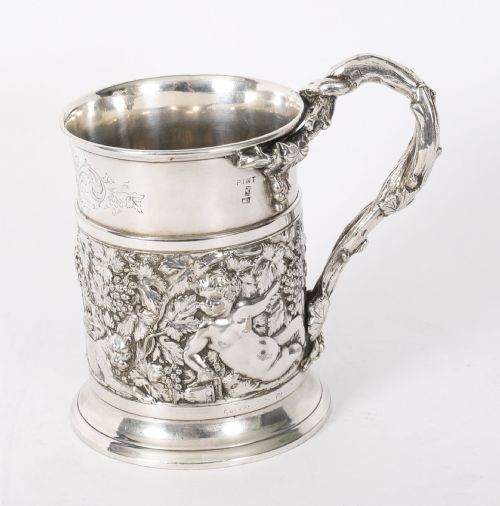
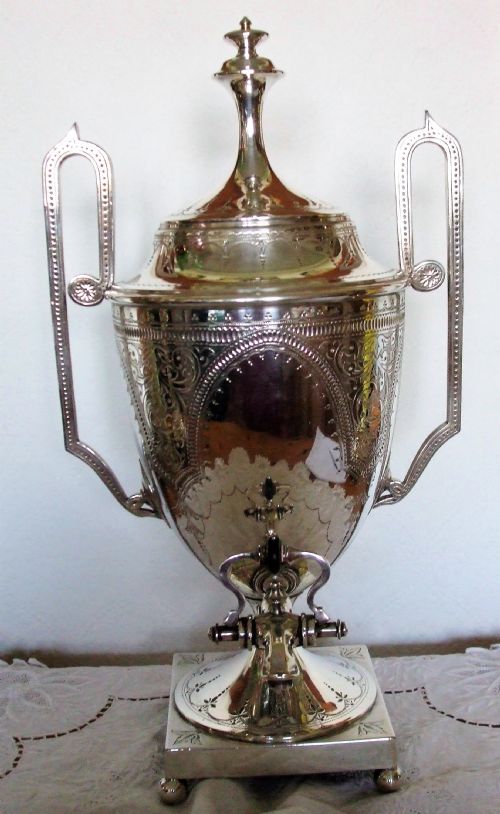
An engraved silver vessel encompasses functional domestic and ceremonial items, ranging from small mustard pots and christening mugs to large teapots, tankards, and samovars.
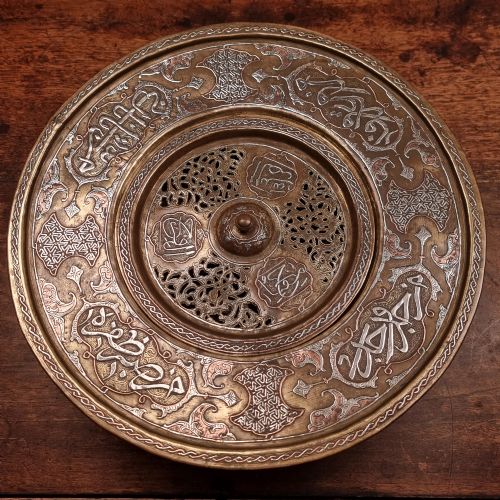
The selections span multiple eras, including Georgian, Victorian, and Edwardian periods, alongside Islamic, Ottoman, and Dutch regional styles.
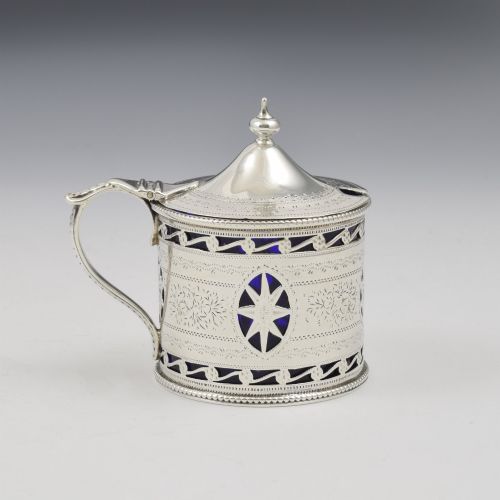
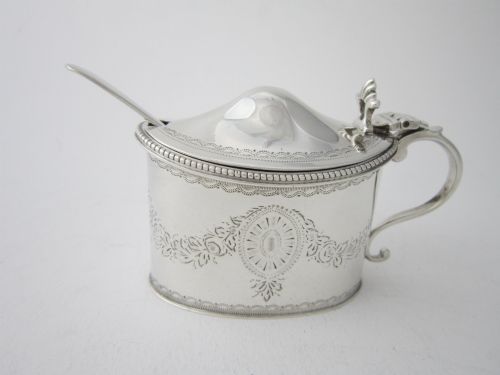
Smaller tabletop vessels like mustard pots with pierced designs or cobalt glass inserts appear alongside larger drinking vessels such as loving cups, chalices, and jugs.
What varies in quality
The distinction between standard domestic items and superior examples lies in the crispness of the hand-engraving and the depth of the metalwork relief.
Heavier gauge metal and balanced proportions elevate certain pieces, alongside the presence of clear hallmarks recording the maker and city of origin.
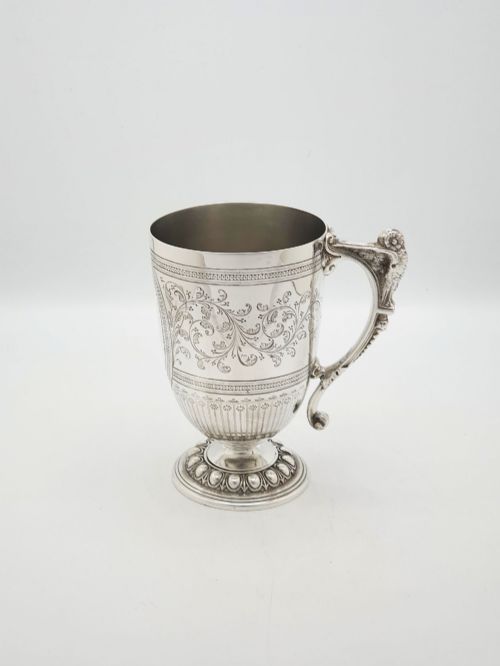
Several Victorian drinking vessels feature novelty owl handles that peer back at anyone raising a toast.
Nathan and Hayes·G R Collis·Walker and Hall·Padley Parkin and Staniforth·Robert Hennell I·George Unite·Elkington Mason·Charles Stuart Harris·Bernard Muller
The Engraved Silver Vessel Glossary
- Sterling silver
- An alloy containing a high proportion of pure silver combined with other metals for durability. British pieces frequently bear standard hallmarks for authenticity.
- Old Sheffield plate
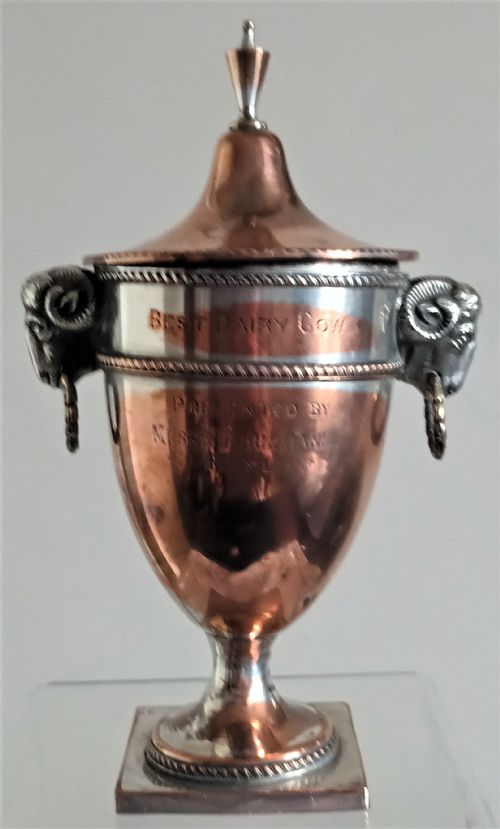
- A composite material formed by fusing a thin sheet of silver onto a heavier copper base. This technique predates modern electroplating.
- Mustard pot
- A small lidded container designed for serving table condiments, frequently fitted with a coloured glass liner. They often feature pierced silver walls.
- Chalice
- A stemmed sacramental cup used in religious ceremonies. These vessels often display substantial proportions and careful decorative detailing.
- Tankard
- A large drinking vessel featuring a single handle, produced in both solid silver and silver-plated metal. Early versions often incorporate glass bases or lids.
Engraved Silver Vessel: Frequently Asked Questions
How do I clean engraved silver vessels?
Use a soft cloth and a gentle, non-abrasive silver polish formulated for antiques. Avoid harsh scrubbing that can wear down fine hand-engraving.
Take care around fitted glass inserts and inlaid sections, keeping moisture away from vulnerable joints and wooden or mixed-metal components.
What is Old Sheffield plate?
Old Sheffield plate is an early manufacturing method where a thin layer of silver is fused to a thicker copper core. Pieces made this way often show subtle traces of copper along exposed edges.
This technique produced durable tableware before modern electroplating methods were introduced in the nineteenth century.
How do I date an antique silver vessel?
Examine the stamped hallmarks, which typically include maker marks, city assay offices, and date letters corresponding to specific years. Stylistic clues like Georgian proportions or Victorian pierced motifs also help narrow the period.
Comparing the engraving style and vessel form with documented pieces from makers like Robert Hennell or Walker and Hall provides further chronological context.
Are these vessels safe for daily use?
Many solid silver and plated pieces remain sturdy enough for serving beverages or condiments, provided they are hand-washed promptly after use. Items with delicate piercing or historic linings require more careful handling.
Decorative vessels such as chalices or ewers are best reserved for display rather than active service.