
Silver Sugar Dish
When you handle a silver sugar dish, you hold a piece of dining history designed to bring refinement to the table.
Silver Sugar Dish
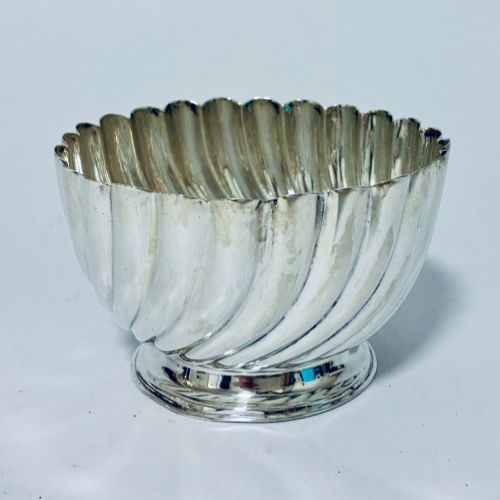
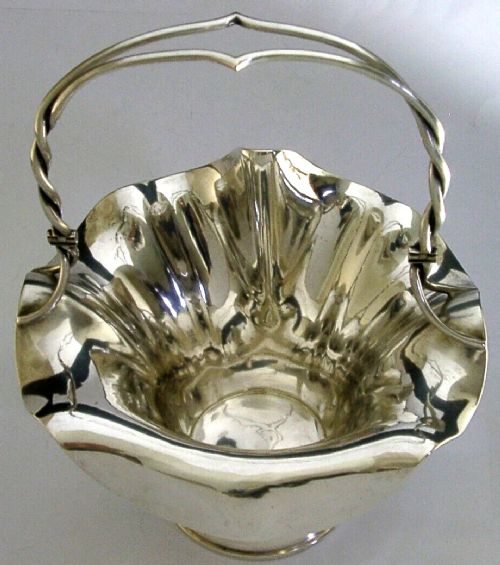
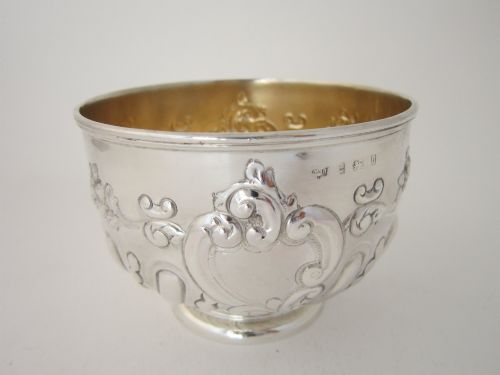
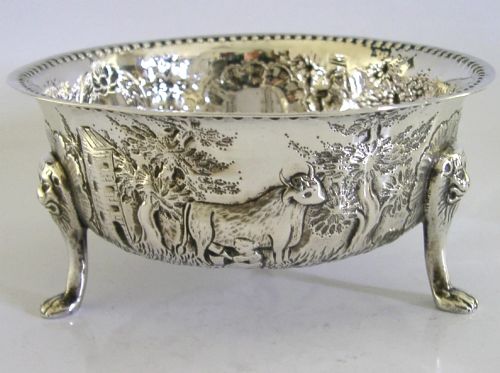
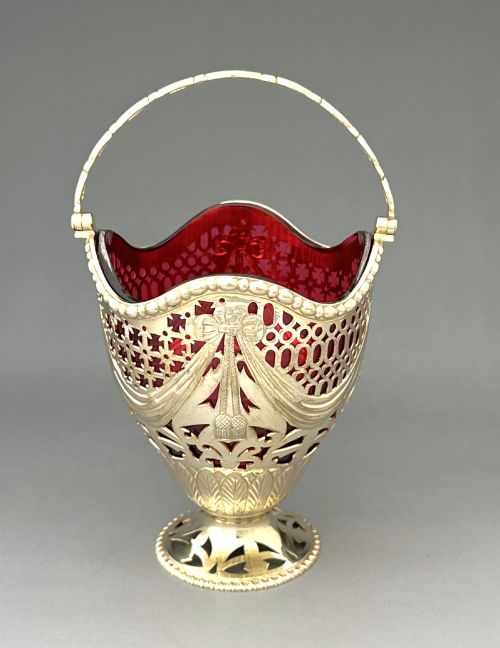
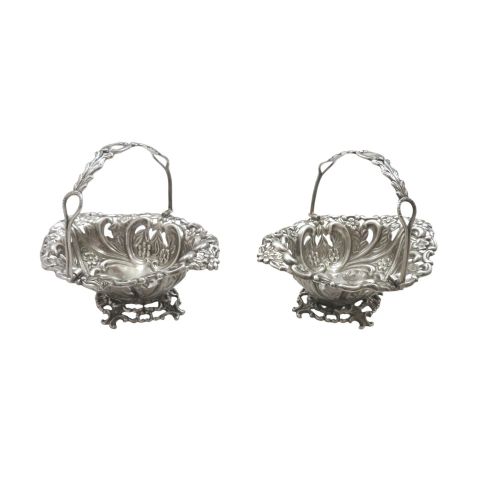
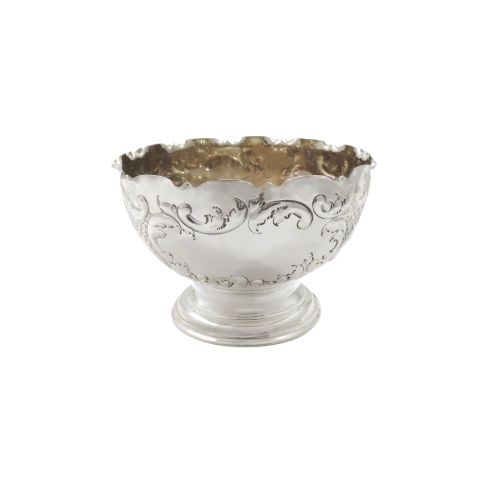
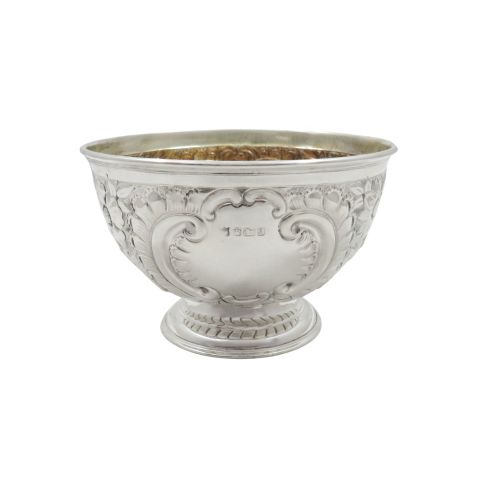
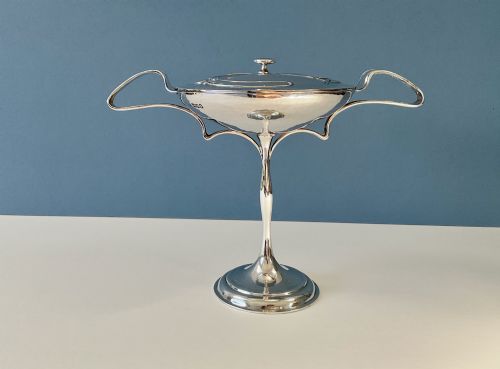
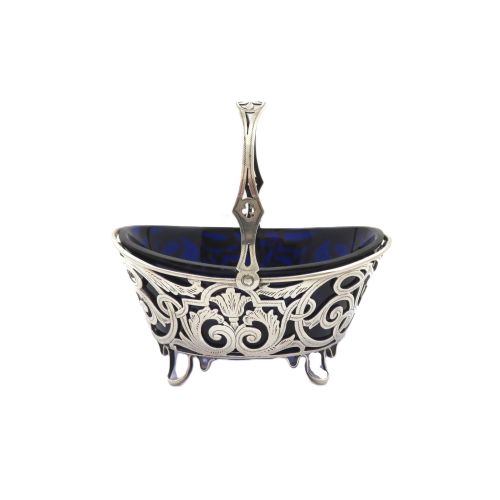
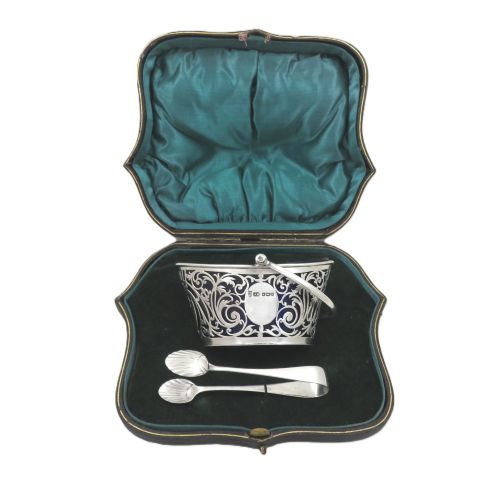
A silver sugar dish encompasses open bowls, pedestal forms, and swing-handled baskets designed to hold lump or loose sugar for the tea table. On this page, you will most frequently meet Victorian and Edwardian examples alongside Georgian pieces, ranging from simple sterling bowls to elaborate pierced baskets.
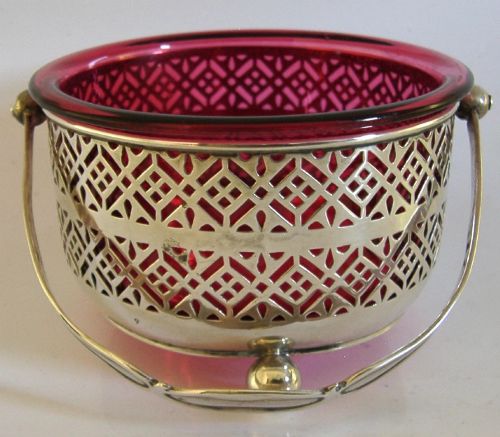
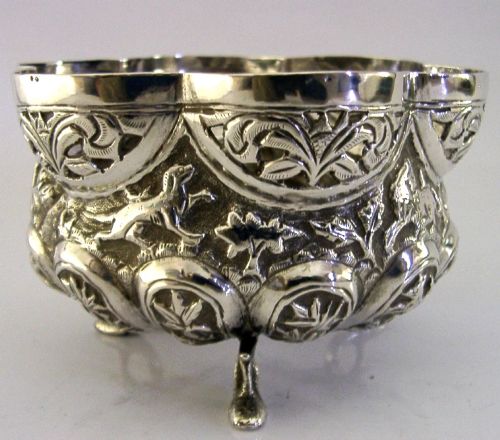
The assortment includes regional variations such as Anglo-Indian, Austro-Hungarian, and Imperial Russian pieces, alongside domestic English and Scottish works. Forms vary from plain rounded bowls to footed dishes fitted with coloured glass liners in cranberry, amber, ruby, and blue.
Makers utilised diverse techniques including casting, planishing, piercing, and hammering to shape these vessels. Whether handling a heavy solid silver George III basket or a silver-plated Edwardian dish, the selection reflects the shifting tastes of the eighteenth, nineteenth, and twentieth centuries.
How they were made
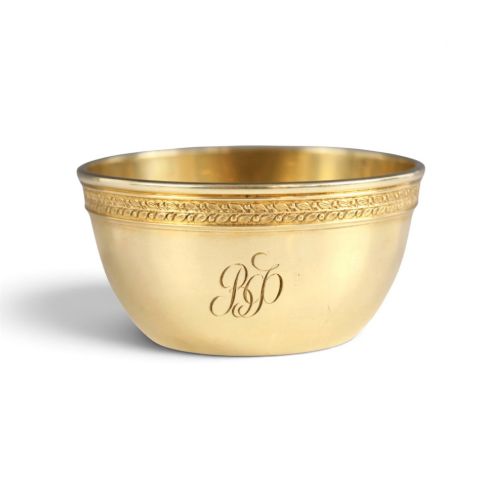
Silversmiths worked primarily in sterling silver, solid silver, and silver plate, often employing silver gilt for interior enrichment. Many vessels incorporate contrasting elements such as amber, vaseline, ruby, and cranberry glass liners held within pierced or lattice silver frameworks.
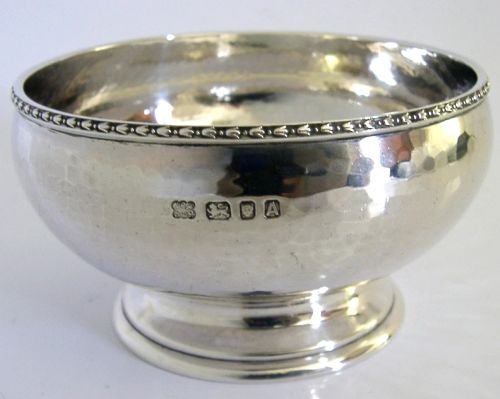
Manufacturing methods range from the heavy gauge hand-hammered and planished surfaces of Arts and Crafts pieces to the intricate pierced work of the Edwardian period. Handles were frequently cast with floral motifs or made as movable swing handles attached to structural bands.
The listings combine British sterling silver and Old Sheffield plate spanning from the eighteenth century through to the mid-twentieth century.
What varies in quality
Quality rests in the weight of the metal and the precision of the workmanship, visible in the depth of the piercing and the crispness of the cast decorative handles. Substantial gauge silver and intact, original coloured glass liners elevate an example significantly.
The distinction between standard commercial production and master craftsmanship shows in the finish of the metal, from smooth polished surfaces to deliberate planished hammer marks that demonstrate individual silversmithing skill.
Henry Chawner·Daniel Arter·Elkington·Fenton·William Bond
The Silver Sugar Dish Glossary
- Sterling silver
- A silver alloy containing 92.5 percent pure silver and 7.5 percent other metals, typically copper. This standard has been legally regulated in Britain for centuries.
- Silver gilt
- Silver that has been coated with a thin layer of gold on its surface. This technique was frequently applied to the interior of sugar bowls to prevent corrosion from sugar and moisture.
- Swing handle
- A movable handle attached to the rim of a basket or bowl by pivots. It allows the handle to lie flat when the vessel is stored or placed on the table.
- Pierced work
- Metal that has been cut through in decorative patterns to create openwork lattices. This technique lightened the visual weight of large silver baskets and bowls.
- Planishing
- A smithing technique using a flat-faced hammer to smooth and harden metal surfaces while leaving subtle, deliberate facets. It is particularly characteristic of Arts and Crafts metalwork.
Silver Sugar Dish: Frequently Asked Questions
What were silver sugar dishes used for?
These vessels held sugar for tea and dessert service in grand households and domestic dining rooms. They were positioned centrally on the table so guests could serve themselves.
Over time, their forms evolved from simple bowls to footed baskets with swing handles and removable glass liners to protect the metal.
Why do some sugar dishes have glass liners?
Glass liners protected the silver from moisture and sticky residue left by moist sugars and preserves. They also allowed makers to use delicate pierced silver lattice designs without compromising the vessel's function.
Coloured glass liners in cranberry, blue, or ruby tones added a striking visual contrast to the polished or gilded silver exterior.
How do I tell Victorian pieces apart from Edwardian ones?
Victorian silver sugar dishes often display heavier proportions, ornate cast floral handles, and deep, elaborate ornamentation reflecting historic revival styles. They feel substantial and follow established formal design rules.
Edwardian pieces frequently embrace lighter, airier forms with extensive piercing, Art Nouveau fluidity, or simplified neoclassical revivals that suit more relaxed dining habits.
How should I clean my silver sugar bowl?
Clean silver using a soft cloth and a reputable silver polish formulated to remove tarnish without abrading the metal surface. Avoid harsh chemical dips, especially on pieces with glass liners or gilt interiors.
Wash glass liners separately in warm soapy water and dry them thoroughly before returning them to the silver basket.