



Irish Sterling Silver Bowl
An irish sterling silver bowl brings weight and distinct Dublin character to the table, and collectors prize these pieces for their solid craftsmanship and chased forms.
Irish Sterling Silver Bowl
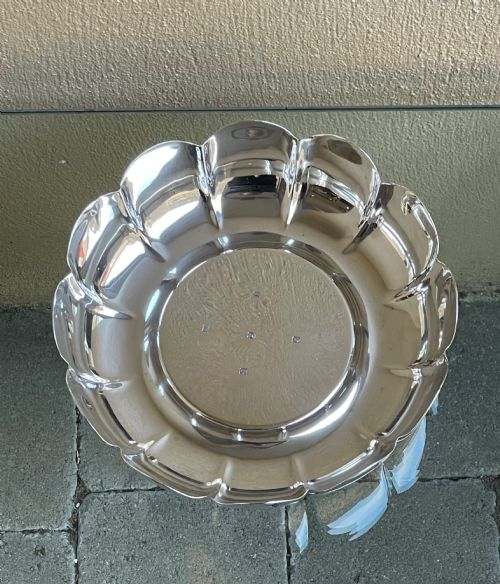
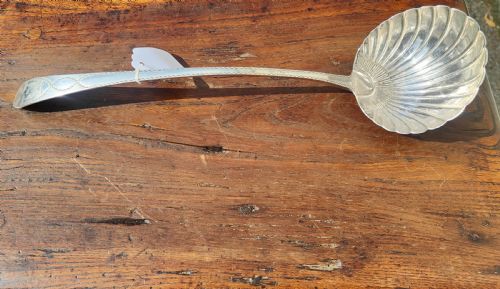
When you search for an irish sterling silver bowl, you encounter a range of forms spanning from Georgian sugar baskets and dish rings to mid-century strawberry dishes and two-handled porringers. These vessels carry distinct regional hallmarks and heavy gauges of silver that set them apart from standard mainland British tableware.
The pieces on this page lean heavily into Georgian and mid-century origins, alongside Victorian and Edwardian examples. You will frequently find footed bowls adorned with repoussé scenes or pierced lattice work, alongside simpler circular serving vessels.
Materials and construction
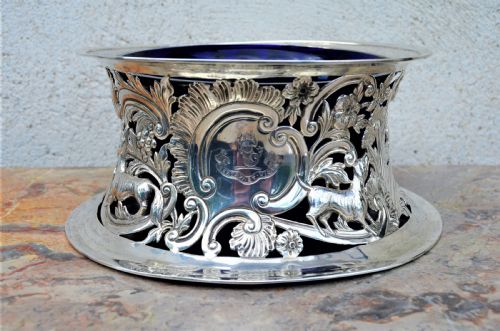
Silversmiths constructed these pieces using sterling silver, often working the metal into heavy gauges that gave bowls and baskets substantial physical weight. Many forms incorporate cobalt blue glass liners, creating a sharp visual contrast against the polished silver exterior.
Makers utilised traditional hammering, casting, and piercing techniques to shape decorative bowls and dish rings. Chasing and repoussé work frequently appear on the surface, pushing the metal from behind to form intricate raised scenes and motifs.
Listings span from seventeen thirty-seven through the mid-twentieth century, featuring sterling silver paired with cobalt blue glass.
The markers of quality
Quality rests in the crispness of the chased decoration and the physical gauge of the silver. Superior examples maintain deep, unrubbed relief work on their scenes and retain a thick, solid wall that resists flexing under pressure.
The clarity of the Dublin hallmarks and maker marks adds significant authority to a piece. Master silversmiths executed junctions, handles, and pierced galleries with absolute precision, ensuring the structural integrity matches the decorative ambition.
Michael Smith·William Bond·Egan of Cork
The Irish Sterling Silver Bowl Glossary
- Dish Ring
- A spool-shaped stand, often called a potato ring, designed to support a bowl on the dining table. These open-ended cylinders feature pierced and chased designs depicting rural scenes or mythological motifs.
- Repoussé
- A metalworking technique where the silversmith hammers the metal from the reverse side to create a raised design on the front. This method gives irish bowls their characteristic tactile depth.
- Sterling Silver
- An alloy of silver containing ninety-two point five percent pure silver and seven point five percent other metals, typically copper. This standard ensures the durability required for functional domestic tableware.
- Porringer
- A small, two-handled bowl used for porage, soups, or broths in earlier centuries. Irish variants often display cast scroll handles and heavy circular bowls.
Irish Sterling Silver Bowl: Frequently Asked Questions
What is a potato ring?
A potato ring is a spool-shaped stand placed in the centre of the table to hold a heavy bowl above the wood surface. These pierced silver rings were popular in Georgian and Edwardian homes.
They allow heat to pass safely while displaying intricate chased pastoral scenes around the dining room.
How do I date an irish bowl?
Irish silver carries official assay office hallmarks stamped directly into the metal. Dublin hallmarks include a figure of Hibernia and a harp crowned, alongside date letters that pinpoint the exact year of production.
Comparing these stamps against standard assay records reveals the precise period of manufacture.
Why do some bowls have glass liners?
Cobalt blue glass liners were manufactured to sit inside openwork silver baskets and dish rings. They held liquids or loose foods safely while adding a rich colour contrast behind the pierced silver lattice.
Original glass liners contribute significantly to the historical completeness of a piece.
How should I clean my silver bowl?
Sterling silver requires gentle washing in warm soapy water followed by thorough drying with a soft cotton cloth. Avoid harsh abrasive dips that strip away the natural patina accumulated over centuries.
Regular, light polishing preserves the sharp details of the chased scenes without damaging the metal surface.