

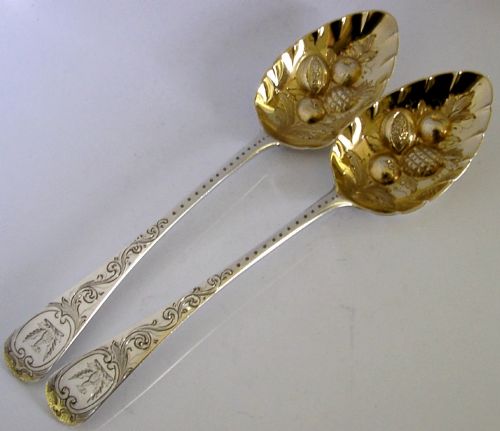


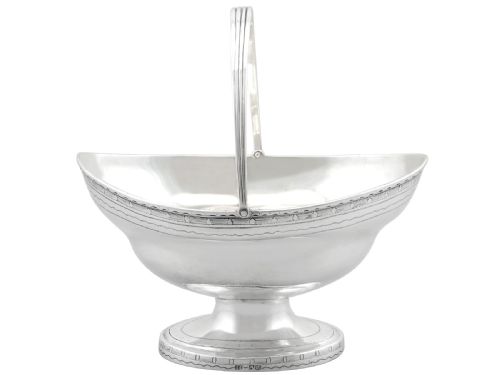

Georgian Sterling Silver Bowl
A georgian sterling silver bowl brings weight, heraldic engraving and domestic heritage from the eighteenth and early nineteenth centuries straight to the table.
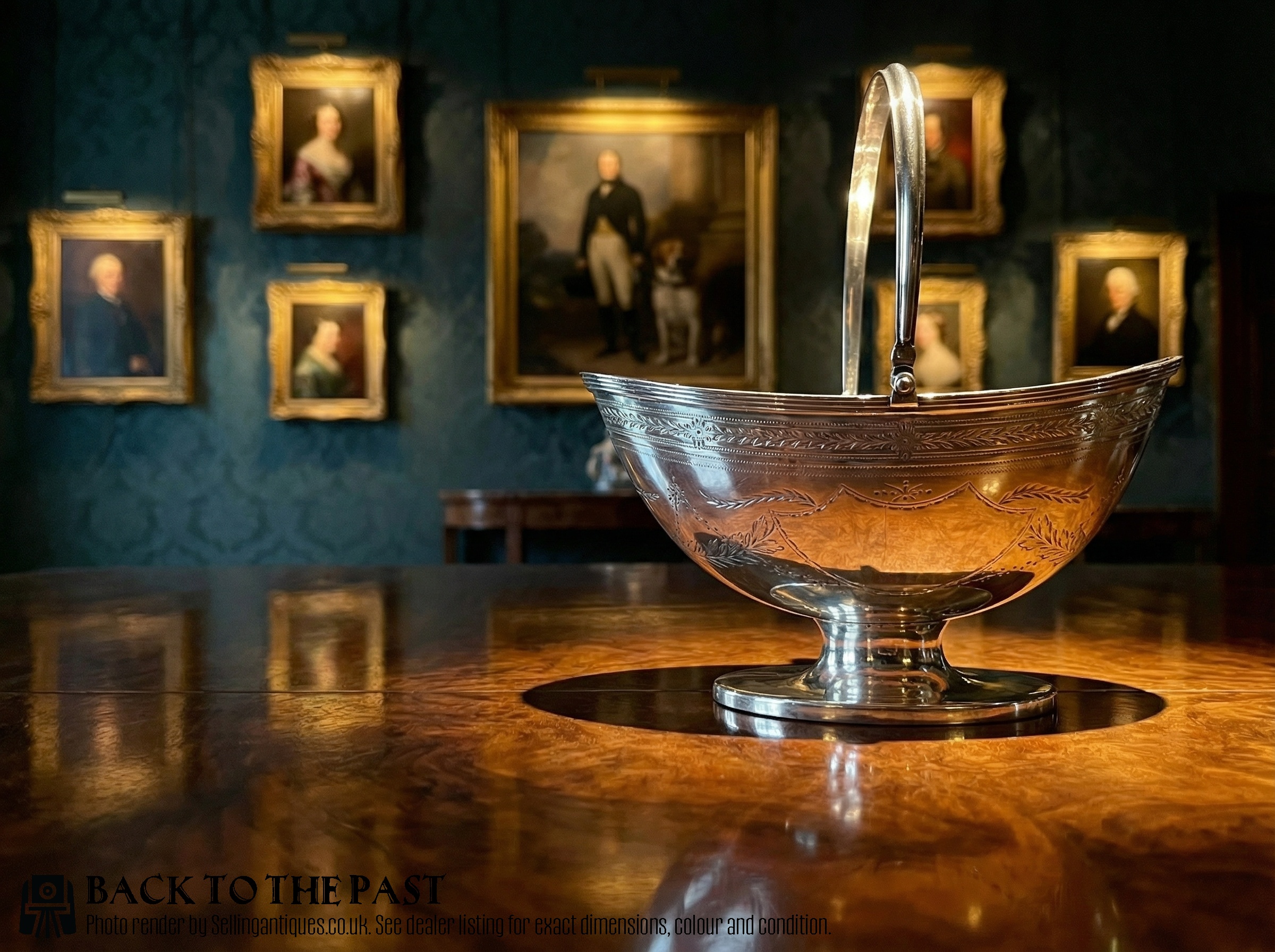
Georgian Sterling Silver Bowl
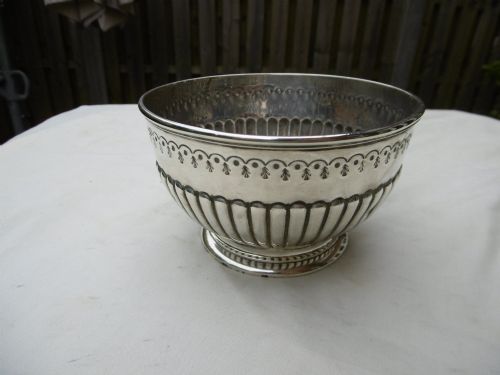
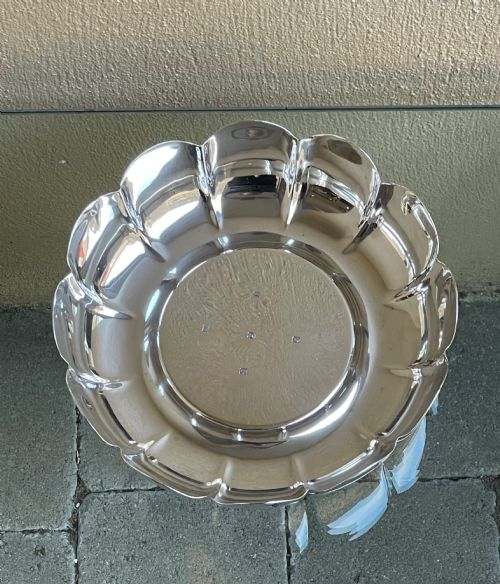
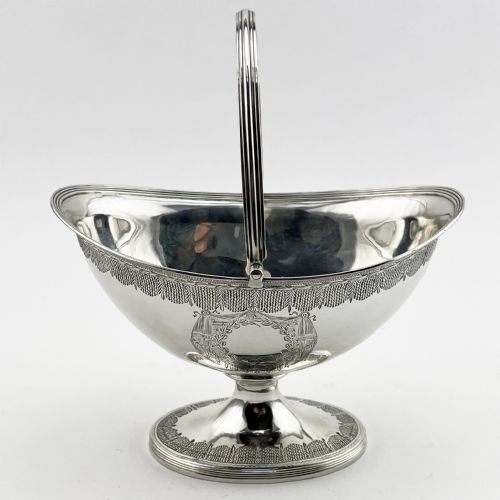
When searching for a georgian sterling silver bowl, collectors encounter various domestic forms dating from the eighteenth century into the early nineteenth century. The archive and current selection reveal two-handled sugar bowls, open centerpiece bowls, pedestal dishes, and sugar baskets.
Many examples originate from regional silversmiths in Ireland, Scotland, and England, demonstrating distinct provincial characteristics. These vessels frequently feature circular or oval profiles, sometimes resting on raised feet or paired with fitted covers.
Beyond standard bowls, related hollowware forms such as cream pails and tea services appear alongside smaller domestic items. The prevalent period spans the reigns of the Georges, extending into the Regency era.
What varies in quality
Distinction across the range depends on the weight of the metal and the crispness of the hand-chased or pierced decoration. Thicker gauge silver maintains structural integrity and supports deeper, more defined armorial engraving.
The provenance and maker mark heavily influence desirability, with identifiable silversmiths or regional Irish and Scottish pieces commanding particular attention. Surviving original components, such as matching covers or glass liners, elevate the standing of a piece.
Georgian Sterling Silver Bowl Retail Price Guide 2026
Typical asking prices for georgian sterling silver bowl among the pieces listed under this phrase on Sellingantiques today, from the lower quarter to the upper quarter. They describe what is for sale here now, not the wider market.
Several bowls retain their original mermaid or stag crests, reminding modern owners of the specific dining tables they once graced.
Aldridge and Green·Hamilton and Inches·Henry Chawner·William Chawner II·Jeremiah Lee·Michael Smith·Fenton·Joseph Craddock·William Bond·John Kincard·Benjamin Smith
The Georgian Sterling Silver Bowl Glossary
- Sterling silver
- An alloy consisting of 92.5 percent silver by mass, with the remainder composed of copper or other metals. This standard has governed British silver production for centuries.
- Silver-gilt
- Sterling silver that has been coated with a thin layer of gold through electrolysis or fire gilding. This technique provides a rich interior gold finish within bowls and chalices.
- Pierced work
- A decorative technique where metal is cut through to create openwork patterns such as lattices or geometric tracery. This method is common in sugar baskets and sweetmeat dishes.
- Hallmark
- A series of stamped official marks applied to precious metals indicating the maker, assay office, standard of purity, and date letter. These stamps serve as the primary tool for dating British silver.
- Hollowware
- Tableware items such as bowls, teapots, tureens, and baskets that possess volume for holding contents. It contrasts with flatware like spoons and forks.
Georgian Sterling Silver Bowl: Frequently Asked Questions
How do I clean a silver bowl?
Maintenance requires warm water, mild soap, and a soft cloth to remove everyday residue without abrading the surface. Harsh commercial dips strip away the natural patina accumulated over centuries of existence.
Storing the silver in anti-tarnish cloth prevents rapid oxidation between uses. Gentle application of specialist silver polish preserves both the metal and any delicate hand engraving.
Can I use these bowls daily?
These vessels were originally designed for functional domestic dining, serving sugar, fruit, or sweetmeats at the table. Modern use remains entirely practical provided acidic foods are not left in contact with the metal for extended periods.
Careful handling protects thin pierced sections and antique handles from accidental impact. Hand washing is mandatory, as dishwashers permanently damage the historic surface.
How do I identify a Georgian bowl?
Identification relies primarily on examining the stamped hallmarks for date letters and assay office symbols corresponding to the eighteenth or early nineteenth century. Stylistic indicators include neoclassical shapes, gadroon borders, and hand-engraved armorial crests.
Proportions tend to be heavier and more substantial than later Victorian reproductions. Comparing the construction methods against known examples from the same decade confirms authenticity.