





Engraved Sterling Silver Basket
An engraved sterling silver basket brings bright, reflective elegance to a table, offering both form and heritage in solid metal.
Engraved Sterling Silver Basket
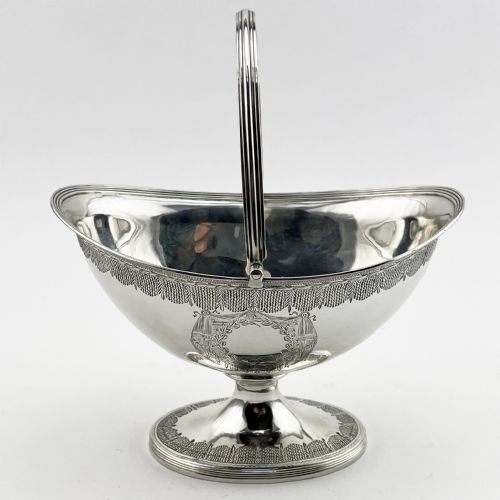
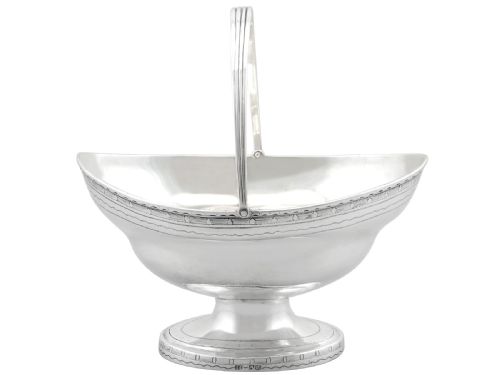
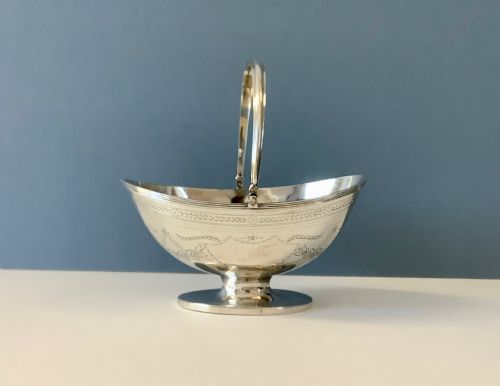
When you search for an engraved sterling silver basket, you encounter domestic tableware designed for sugar, bread, or cakes. These objects emerge from Georgian and Victorian workshops, shaped into oval vessels, bowls, and dishes.
The pieces on this page are most frequently sugar baskets and bread dishes produced across the eighteenth and nineteenth centuries. Makers employed sterling silver alongside silver gilt and gold gilding to create functional items for formal dining.
Styles range from restrained classical forms to exuberant Rococo Revival ornamentation. Each vessel demonstrates period manufacturing methods, bearing hallmarks and intricate surface decoration appropriate to its decade of origin.
How they were made
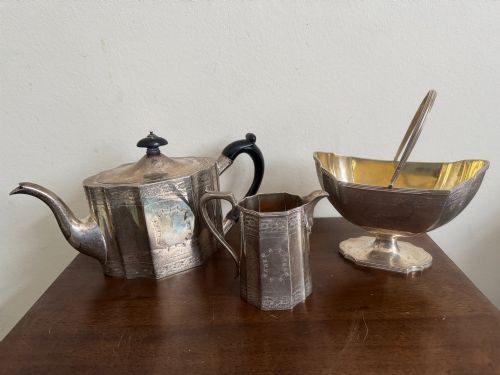
Silversmiths constructed these vessels from sterling silver, often applying gold gilding or silver gilt to the interior surfaces for contrast and protection against acidic foodstuffs. Selected examples incorporate ebony components for handles or fittings.
Decoration relied on manual engraving, where artisans cut fine lines and patterns directly into the metal surface. Piercing, casting, and raising techniques shaped the flat silver sheets into deep bowls and baskets before final polishing.
At least one past item combined silver with a compact mirror, ensuring that looking at your sugar basket also let you check your hair.
What varies in quality
Quality rests upon the crispness of the engraving and the structural integrity of the silver body. Superior pieces display deep, sharply defined surface work that remains clear and unblemished by heavy wear.
The weight of the silver and the balance of handles or pedestals distinguish finer examples from standard production. Maker execution, particularly the reputation of the silversmith and the clarity of the town and date hallmarks, elevates individual pieces.
Henry Chawner·Samuel Herbert·John Walton
The Engraved Sterling Silver Basket Glossary
- Sterling silver
- An alloy consisting of 92.5 percent silver by mass, with the remainder composed of copper or other metals. This standard ensures durability while maintaining the bright lustre prized by makers.
- Silver gilt
- Silver that has been coated with a thin layer of gold on its surface. This technique provides a rich two-tone appearance inside bowls and baskets.
- Hallmark
- An official stamp applied by an assay office to indicate the purity of the metal, the maker, and the year of production. These marks serve as the primary tool for dating British silver.
- Rococo Revival
- A design style popular during the nineteenth century that imitates the asymmetrical curves, scrolls, and natural motifs of the eighteenth-century Rococo movement. It frequently appears on ornate baskets and tableware.
- Pedestal
- A raised foot or base supporting a bowl or basket. This architectural feature elevates the vessel above the table surface.
Engraved Sterling Silver Basket: Frequently Asked Questions
What were engraved sterling silver baskets used for?
These vessels originally served refined dining functions, holding sugar lumps, bread, or cakes on formal tables. Wealthy households utilised them to display wealth and hospitality during tea and dinner service.
Over time, their domestic role shifted toward decorative display or holding smaller household items. Today, owners continue to use them for presentation or keep them as collectible examples of silversmithing.
How do I care for sterling silver baskets?
Maintenance involves gentle cleaning with dedicated silver polish and soft cloths to remove tarnish without abrading the engraved details. Avoiding harsh chemicals and abrasive pads preserves the original surface finish.
Storage in dry environments away from direct sunlight and humidity prevents rapid re-tarnishing. Handling the metal with clean hands or cotton gloves minimises oil transfer from skin to silver.
How can I tell a Georgian basket from a Victorian one?
Georgian pieces, produced roughly between the mid-eighteenth and early nineteenth centuries, often exhibit balanced neoclassical lines or early Rococo Revival ornamentation. Their hallmarks typically feature sovereign duty marks and distinct maker punches.
Victorian items, dating from the mid-nineteenth century onward, frequently display heavier casting and more eclectic stylistic revivals. Assay office marks from this era include specific date letters that pinpoint the exact year of manufacture.
What do the different silver marks mean?
British silver bears a series of stamps known as hallmarks that identify the assay office, the purity standard, and the year of manufacture. Additional maker marks indicate the specific silversmith or workshop responsible for the piece.
Reading these marks allows collectors to trace the geographic origin and exact age of a basket. Reference books and official assay records help decode unfamiliar symbols and date letters.