
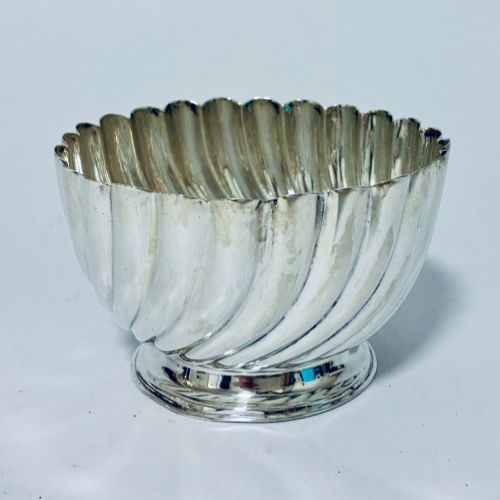
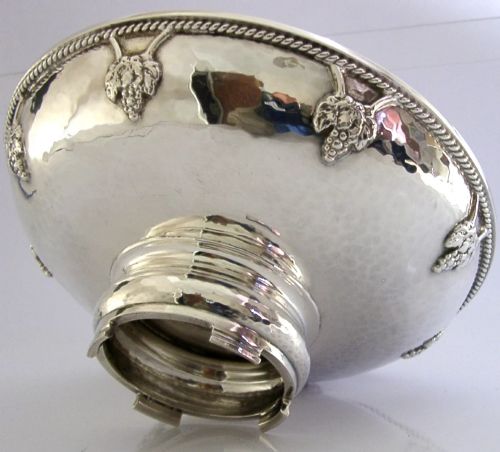
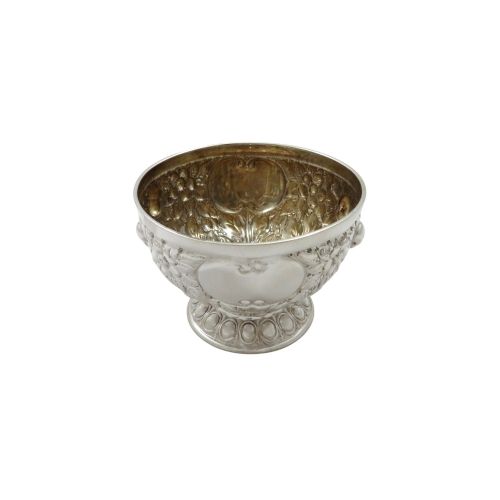
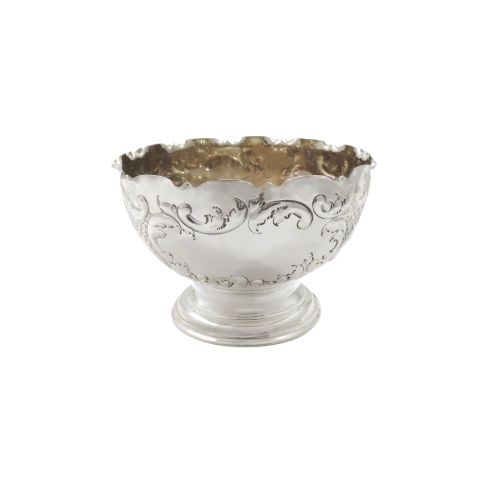


Sterling Silver Pedestal Bowl
A sterling silver pedestal bowl elevates its contents upon a raised foot, bringing distinction to dining tables through generations of silversmithing.
Sterling Silver Pedestal Bowl
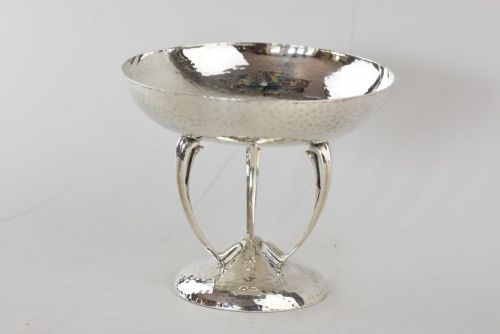
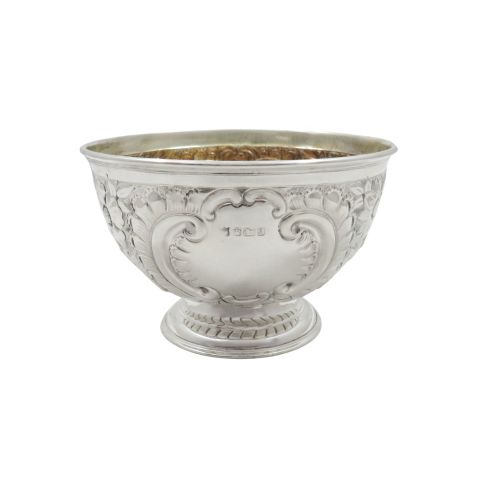
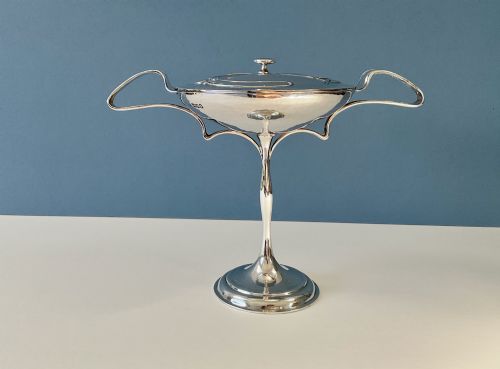
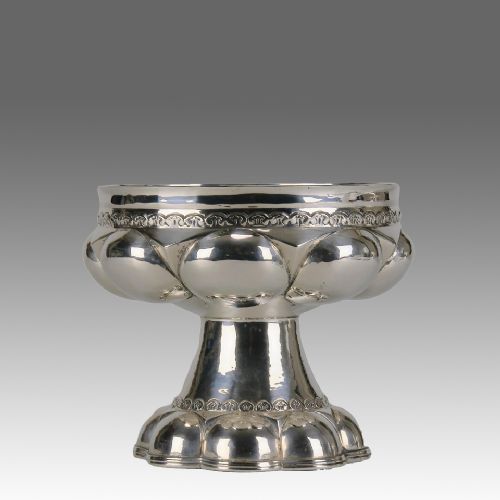
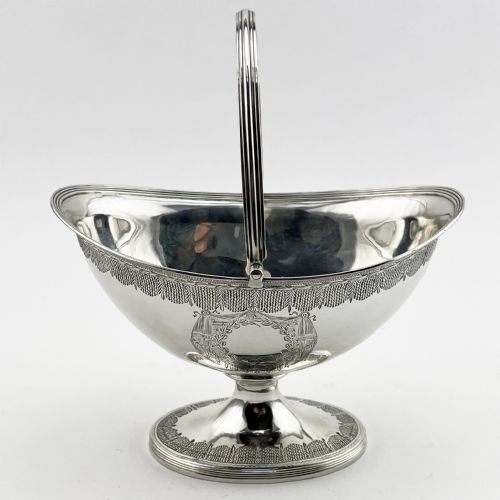
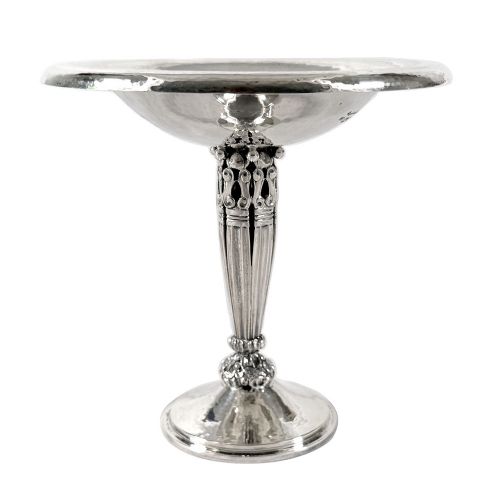
A sterling silver pedestal bowl stands elevated upon a foot, taking forms such as tazzas, sugar baskets, and large centrepieces. These vessels originate primarily from Victorian, Edwardian, and Art Deco periods, spanning the late eighteenth century into the mid-twentieth century.
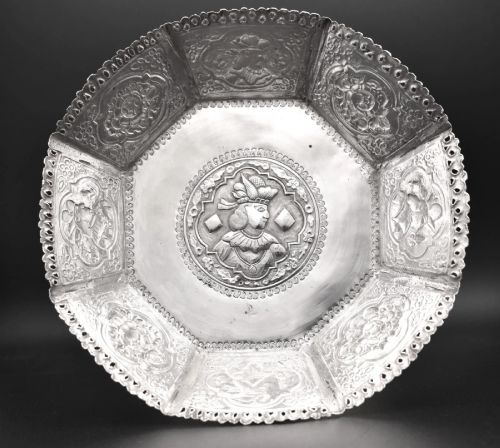
The assortment on this page draws from British, Scottish, and international workshops, presenting open fruit dishes alongside pierced sweet bowls and handled baskets. Buyers encounter domestic table accessories designed for display or service, frequently featuring gilt interiors or pierced lattice work.
Materials and Construction
Silversmiths constructed these vessels using sterling silver, solid silver, and occasionally gilt silver or vermeil, sometimes pairing the metal with glass liners. Fabrication methods combined traditional casting of the pedestal foot with hand-raising or spinning of the main body.
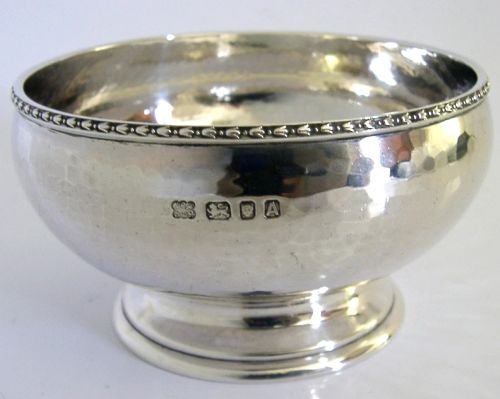
Makers achieved decorative surfaces through hammering, planishing, repoussé, and intricate fretwork or lattice piercing. Finished items bear hallmarks recording the assay office, standard, and date of manufacture.
Materials represented include sterling silver, solid silver, gilt silver, vermeil, and glass liners.
Factors of Quality
Quality rests in the weight of the metal and the crispness of the hand-executed details, such as hammered texturing or pierced fretwork. Substantial gauge silver resists distortion on the pedestal join and retains structural integrity.
Design complexity and maker reputation distinguish finer examples, particularly those bearing the marks of recognised guilds or prominent silversmiths. The precision of the engraving and the proportional balance between bowl and foot dictate the overall refinement of the piece.
A E Jones·Goldsmiths and Silversmiths Company·Nathan and Hayes·Henry Chawner·Charles Boyton·Joseph Rodgers·Viners·Walker and Hall·Hammond Creake and Co·Elkington and Co·Alexander Clarke and Co·Mappin and Webb·James Dixon and Sons
The Sterling Silver Pedestal Bowl Glossary
- Tazza
- A shallow bowl or cup mounted upon a stem and foot, often used for serving fruit or sweets.
- Repoussé
- A method of metalworking where the silversmith hammers the design from the reverse side to create a relief pattern on the front.
- Planishing
- A hammering technique utilising a smooth-faced hammer to refine the surface shape and create a characteristic faceted texture.
- Gilt Interior
- A thin layer of gold applied to the inside surface of a silver vessel, often used with sugar baskets to protect the metal from corrosion.
- Pierced
- Workmanship involving the cutting or piercing of negative spaces through the silver sheet to form geometric or floral lattice patterns.
Sterling Silver Pedestal Bowl: Frequently Asked Questions
What were pedestal bowls used for historically?
These vessels served various functions on formal dining tables, holding fruit, sweets, pot pourri, or sugar.
Sugar baskets typically included swing handles and glass liners, while larger tazzas and centrepieces functioned as decorative display pieces during meals.
How do I care for sterling silver?
Regular dusting and occasional washing with warm soapy water keep the metal clean. Avoid abrasive cloths that scratch the surface.
Store the bowl away from direct sunlight and damp environments to minimise natural tarnishing of the silver.
How can I date my silver bowl?
British pieces feature hallmarks that include a date letter indicating the exact year of assay. Additional marks reveal the assay office and the maker's registered stamp.
Matching these symbols against hallmarking records provides the production year.
What is the difference between a tazza and a bowl?
A tazza specifically denotes a shallow bowl supported by a distinct central stem and a wide foot. Standard bowls sit flat or possess a smaller integrated foot ring rather than a raised pedestal base.
Pedestal bowls bridge this distinction by elevating deeper bodies on a foot.