



Scottish Sterling Silver Bowl
These pieces of scottish sterling silver bowl heritage span Georgian sugar baskets to Arts and Crafts quaichs, offering a tangible link to northern silversmithing traditions.
Scottish Sterling Silver Bowl
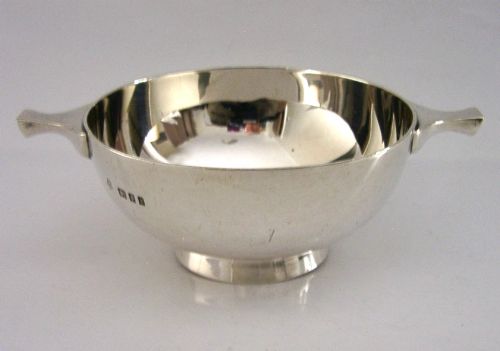
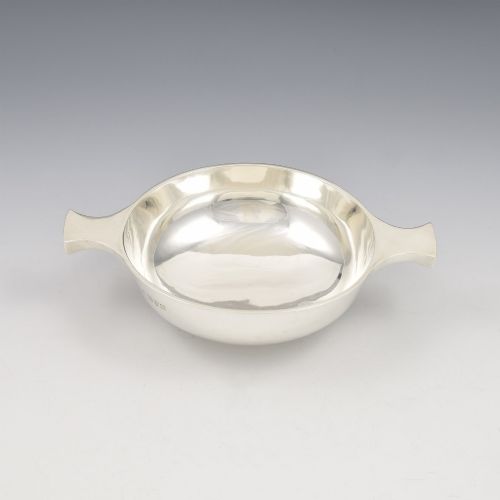
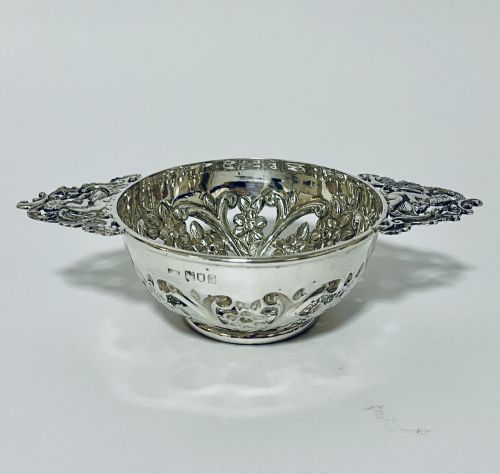
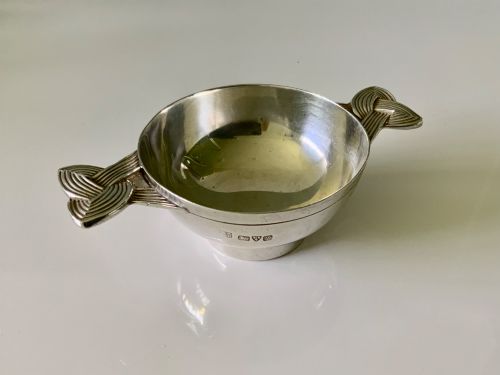
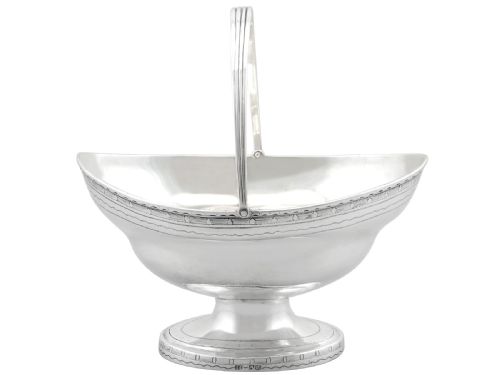
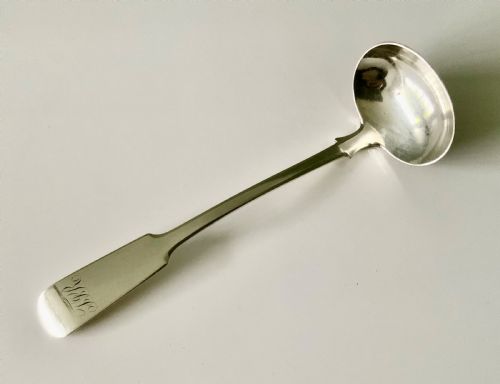
A scottish sterling silver bowl encompasses traditional quaichs, handled vessels, sugar baskets, and bread baskets found across multiple eras. Buyers seeking this phrase frequently encounter Edwardian and Victorian two-handled presentation pieces alongside earlier Georgian forms.
The regional distinctiveness often manifests in traditional shapes like the quaich, rooted in Highland heritage, or provincial sugar bowls bearing family crests. Edinburgh assay marks commonly appear alongside provincial town marks on these domestic and ceremonial items.
Materials and construction methods
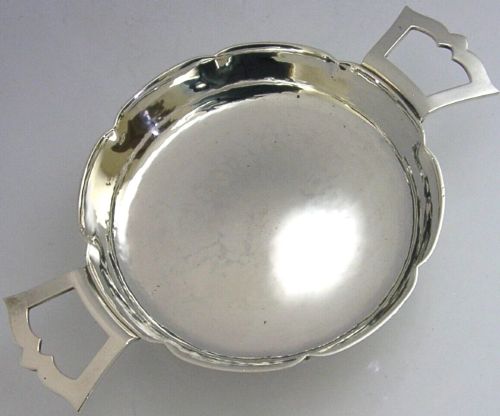
Silversmiths utilised sterling silver alongside specialist elements such as citrine stones, horn, and whalebone handles on specific quaich designs. Hammered surfaces reveal planished finishes typical of the Arts and Crafts movement.
Vessels take shape through raising and hammering techniques, with cast handles soldered securely to spun or beaten bodies. Hallmarks stamped directly into the metal record the assay office and date letter.
Assessing quality and craftsmanship
Superior examples display crisp hallmarks, balanced proportions, and substantial metal weight relative to their size. Master silversmiths executed engraved family crests and intricate Celtic revival motifs with precise hand-tooling.
Surface preservation defines value, where original planishing marks remain intact without excessive polishing that softens details. Structural integrity of applied handles and rims indicates the standard of original workshop assembly.
Nathan and Hayes·Hamilton and Inches·John McDonald·John Kincard·Mackay and Chisholm·R E Stone
The Scottish Sterling Silver Bowl Glossary
- Quaich
- A traditional Scottish two-handled drinking vessel, often adapted into a shallow bowl. It originates from wooden stave-built drinking cups before translation into silver.
- Planished
- A surface texture created by systematic hammering with a round-faced mallet. This technique hardens the silver while leaving a pattern of small, flat facets.
- Assay mark
- An official stamp applied to precious metals to guarantee standard of purity. Scottish marks typically include the thistle symbol and assay office town marks.
- Provincial silver
- Items made and marked outside the main assay towns of Edinburgh and Glasgow. These pieces carry distinct maker marks specific to regional Scottish burghs.
Scottish Sterling Silver Bowl: Frequently Asked Questions
What is a Scottish quaich?
A quaich is a traditional two-handled drinking vessel designed for welcoming guests or ceremonial toasts. Silver versions translate the form of older wooden stave vessels into precious metal.
These shallow bowls serve well on display or as presentation pieces, retaining a distinct profile rooted in Highland culture.
How do I read silver hallmarks?
British hallmarks typically show a standard mark for sterling silver, an assay office symbol, and a date letter indicating the year of testing. Scottish pieces often include a thistle mark alongside the town mark.
Matching these symbols against established reference tables reveals the exact year and city of manufacture.
Were these bowls used daily?
Many bowls and sugar baskets served functional roles in formal dining rooms during the Georgian and Victorian eras. Sugar baskets held loaf sugar for tea service, while larger vessels functioned as fruit bowls.
Over time, utility shifted toward presentation, collection, and display within private homes.
What distinguishes provincial pieces?
Provincial silver originates from makers working outside the major urban assay offices of Edinburgh or Glasgow. These pieces carry local maker marks and town marks unique to smaller burghs.
Collectors prize provincial items for their rarity and connection to regional Scottish silversmithing history.