


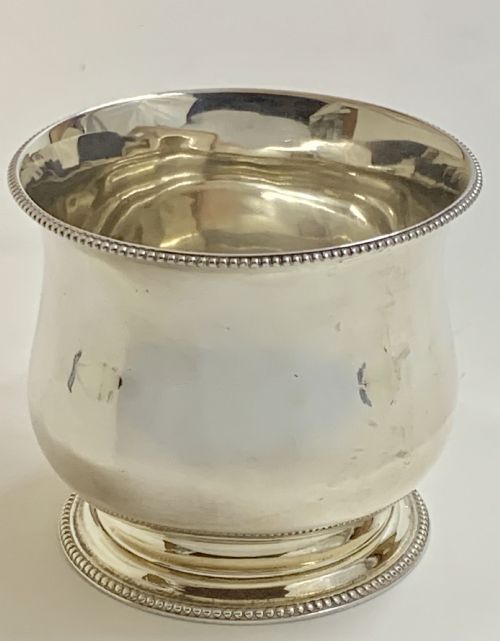
Georgian Silver Sugar Basin
These georgian silver sugar basin examples are functional vessels of sterling silver and glass, prized for their refined forms and historic character on the tea table.
Georgian Silver Sugar Basin
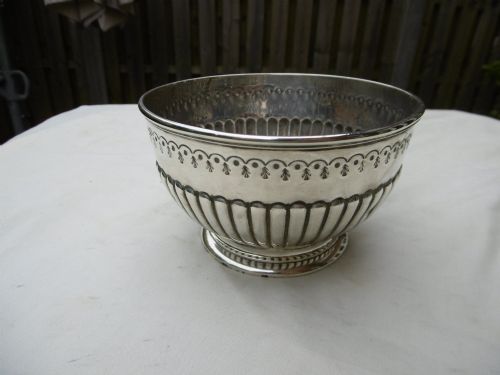
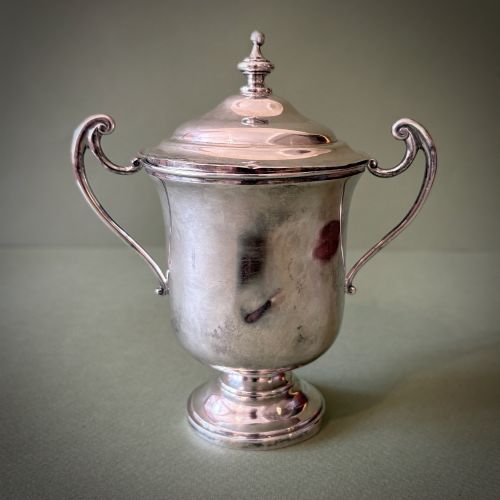
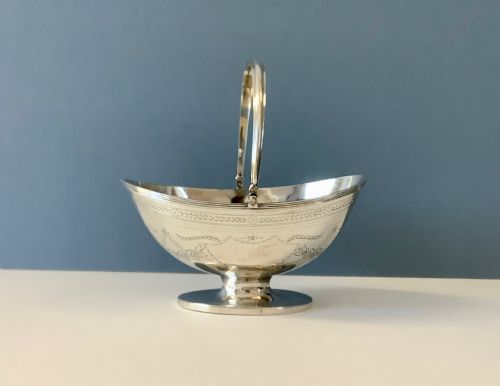
A georgian silver sugar basin takes the form of an open bowl, a swing handled basket, or a cup with a cover, designed for serving lump or granulated sugar during tea service. Buyers searching this phrase meet pieces spanning the eighteenth and nineteenth centuries, alongside later Edwardian and Victorian interpretations.
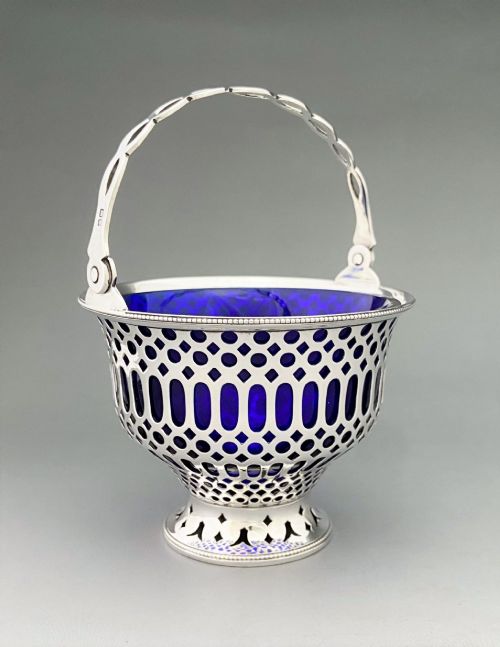
The dominant aesthetic draws upon Georgian, George III, and Georgian Neoclassical or Rococo styles, reflecting the formal dining habits of the period. Forms range from simple circular bowls to pierced oval baskets fitted with ruby glass liners.
Origin points vary across the British Isles, with London makers appearing alongside Scottish and Irish silversmiths. Early American silver cups and Sheffield plated wares also feature within this tradition of domestic silver.
Materials and construction
Silversmiths shaped sterling silver and silver-gilt through hammering, casting, and piercing, creating intricate reticulated patterns on swing handled baskets. Gold gilt finishes often line the interior of these vessels to protect the metal from the corrosive nature of stored sugar.
Listings feature sterling silver, silver-gilt, and glass, spanning periods from the mid eighteenth century through to the Edwardian era.
Judging quality and craftsmanship
Quality rests upon the crispness of piercing, the structural integrity of swing handles, and the weight of the silver relative to the size of the vessel. Heavier bowls and baskets demonstrate a more substantial use of metal by the maker.
The clarity of hallmarks stamped into the base or rim dictates historical certainty, while the presence of original gilding and undamaged glass liners elevates the integrity of the piece.
Peter and William Bateman·John Kincard·George Fox·Walter Brind·Alice and George Burrows
The Georgian Silver Sugar Basin Glossary
- Sterling silver
- An alloy consisting of ninety-two point five percent silver and seven point five percent other metals, usually copper. This standard ensures durability for domestic tableware.
- Swing handle
- A movable arched handle attached to the rim of a basket via pivots. It allows the vessel to be easily passed during tea service.
- Silver-gilt
- Silver that has been coated with a thin layer of gold on its surface. This technique prevents tarnishing in areas exposed to foodstuffs.
- Pierced work
- Metal pierced and cut through to create decorative openwork patterns. This technique lightens the visual weight of baskets and bowls.
- Hallmark
- Official stamps applied to precious metals indicating the maker, assay office, and year of production. These marks authenticate the origin of the silver.
Georgian Silver Sugar Basin: Frequently Asked Questions
How were sugar basins used?
These vessels sat upon the tea table to hold sugar loaves, lumps, or loose granules during formal afternoon tea services. Guests would use sugar tongs to select portions for their cups.
Over time, the form evolved from simple bowls to pierced baskets paired with coloured glass liners, reflecting changing dining fashions.
How do I clean antique silver?
Maintenance requires gentle washing in warm soapy water using a soft cloth, avoiding harsh chemical dips that strip the natural patina. Proper drying prevents water spots on the sterling surface.
Store the basin in a dry environment away from direct sunlight to minimise the rate of tarnishing.
Are glass liners original?
Many pierced baskets rely on fitted glass liners to contain loose sugar grains, and finding an undamaged liner matching the exact period adds significant authenticity. Replacements do occur due to the fragile nature of glass.
Inspect the rim and base of the glass insert for signs of age-related wear that match the metal basket.
How do I read silver hallmarks?
Hallmarks consist of a series of tiny stamped symbols indicating the maker's mark, standard mark, assay office city, and date letter. Reference books match these letters to specific years of production.
Locating these stamps usually requires examining the base, rim, or interior of the swing handle.