
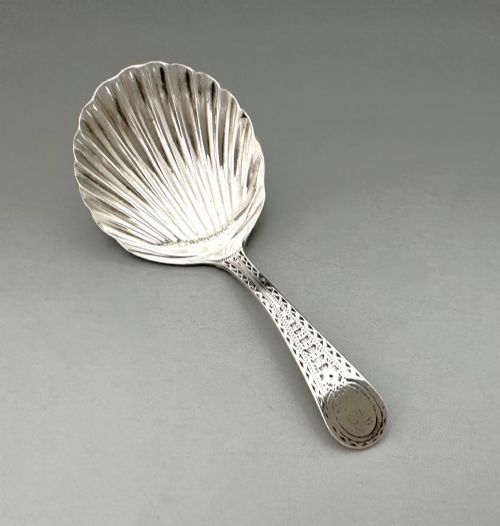

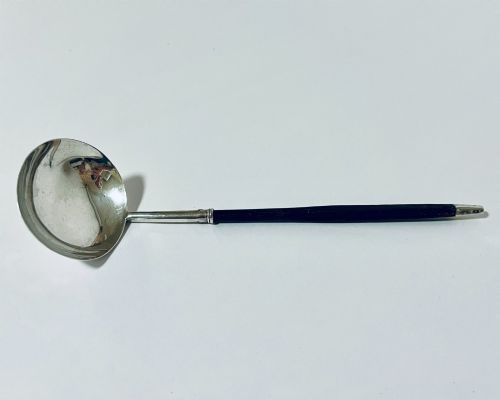
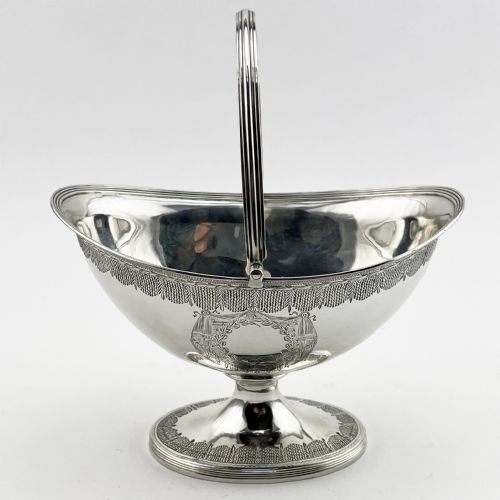

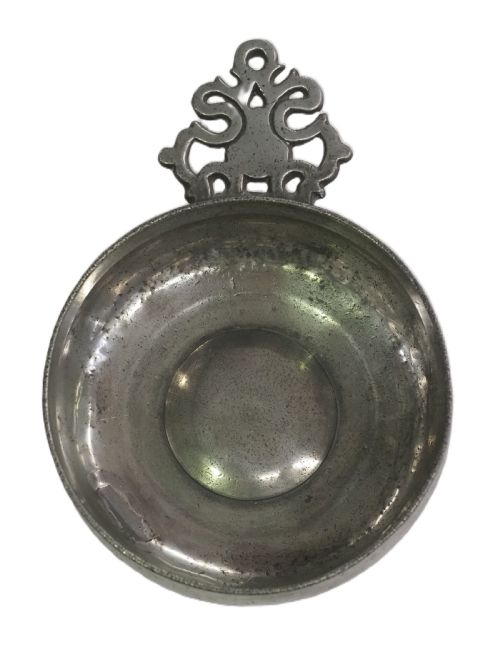


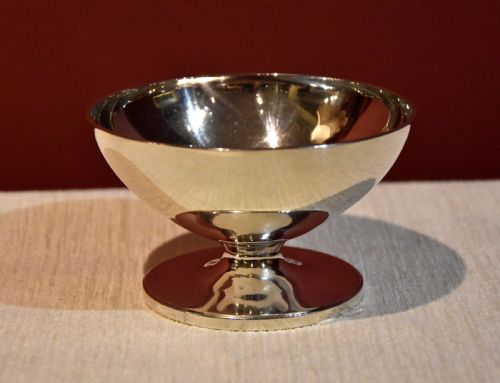

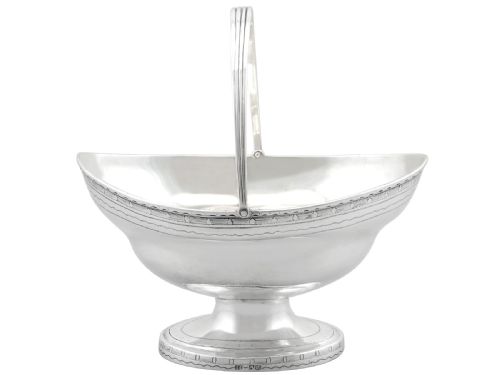


18th Century Silver Bowl
An 18th century silver bowl brings tangible Georgian craftsmanship to the table, offering lasting utility and period design.
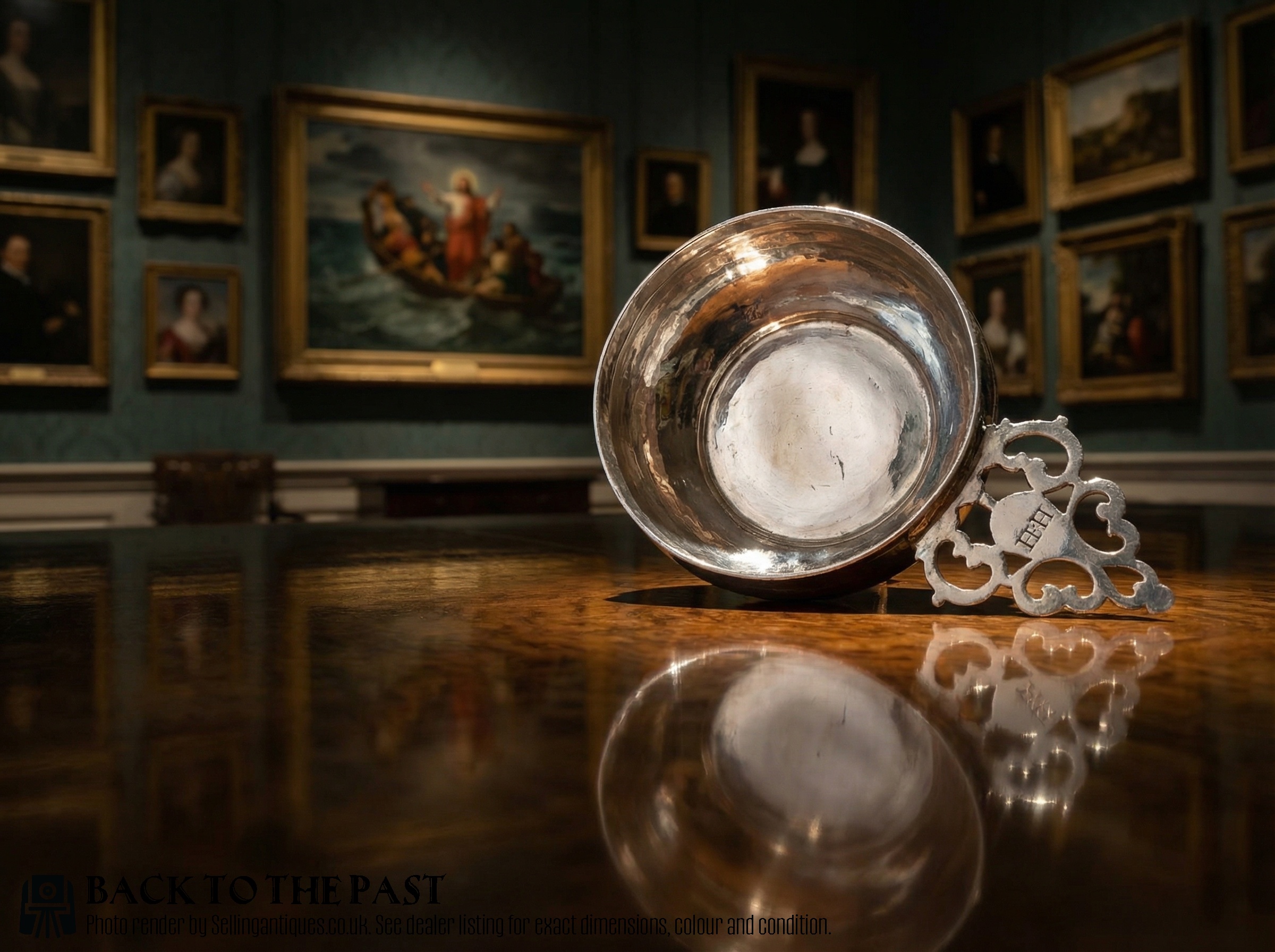
Identifying an 18th Century Silver Bowl
An 18th century silver bowl encompasses domestic vessels produced across the Georgian era, including decorative items, sugar bowls and bleeding bowls. These pieces reflect the prevailing aesthetics of their decades, moving from plain surfaces to ornate flourishes.
The versions most commonly met on this page span the reigns of Queen Anne, George II and George III, alongside specific origins such as London, Ireland and Scotland. Forms range from heavy serving pieces to smaller specialised sugar containers.
Makers working within this span utilise specific regional styles, from Georgian Rococo ornament to clean Britannia Standard forms. Each piece carries the distinct marks of its origin, decade and maker.
Materials and Techniques
Silversmiths of this era worked primarily in sterling silver, silver-gilt and the higher-purity Britannia standard silver. These materials provided the necessary ductility for raising, hammering and shaping bowls from flat sheets of metal.
Techniques visible in the record include hand-raising, casting of feet or handles, and chased or engraved surface decoration. Goldsmiths employed punches to strike hallmarks, maker's marks and date letters directly onto the metal.
Retail Price Guide 2026
Typical UK retail prices for 18th century silver bowl, calculated from the Sellingantiques database of over a million retail prices indexed since 2003. This retail price guide relies exclusively on Sellingantiques data; no external sources or auction records are used, so the figures do not describe the wider market.
The recorded pieces originate from London workshops alongside Irish and Scottish makers active during the eighteenth century.
Assessing Quality and Merit
Quality in an 18th century silver bowl rests upon the crispness of its original chasing, the weight and gauge of the metal, and the legibility of its hallmarks. Heavier examples retain more of their original form and structural integrity.
The distinction between standard domestic production and exceptional output lies in the fluency of the maker's hand, particularly in Scottish and Irish pieces or those featuring complex Georgian Rococo detail.
Wakelin and Taylor·John Kincard·Walter Brind
The 18th Century Silver Bowl Glossary
- Britannia Standard Silver
- A compulsory higher purity standard of silver introduced in England, containing 95.84 percent pure silver. This alloy was used for plate between designated years in the early part of the period.
- Silver-Gilt
- Silver that has been coated with a thin layer of gold on its surface, often applied to the interior of sugar bowls. This technique protected the silver from corrosive foodstuffs.
- Hallmark
- A series of official marks stamped on items to indicate the standard of silver, the maker, the assay office and the year of production. These stamps provide the primary evidence for dating.
- Sugar Bowl
- A vessel designed for holding refined sugar at the tea table, reflecting the growing consumption of imported commodities during the Georgian era.
- Bleeding Bowl
- A shallow medical bowl with a single flat handle, historically used for bloodletting but valued today as a distinct form of early silver.
Frequently Asked Questions
What is a Britannia standard silver bowl?
A Britannia standard silver bowl is made from an alloy containing a higher proportion of pure silver than standard sterling. This softer metal was legally required for a specific period.
Items from this time often display a distinct lustre and specific hallmarks indicating the higher purity content.
How do I date an 18th century silver bowl?
Dating relies primarily on the struck hallmarks, which include maker's marks, assay office symbols and date letters. Comparing these punches against historical registry records gives the exact year of production.
Stylistic indicators such as Georgian Rococo chasing or Queen Anne forms also help narrow down the decade.
Where were these silver bowls made?
The pieces originate from major British and Irish centres of silversmithing, most notably London, Ireland and Scotland. Regional makers applied distinct stylistic preferences and local assay office marks.
Items from Scottish and Irish workshops often display unique regional characteristics that set them apart from London work.
How were sugar bowls used in the 18th century?
Sugar bowls formed part of the expanding tea service as sugar became an increasingly prized commodity in Georgian households. They sat on the tea table to serve refined loaf or lump sugar.
Their designs evolved alongside changing social rituals, matching the tea caddies and cream jugs of the period.