



Georgian Silver Table Decor
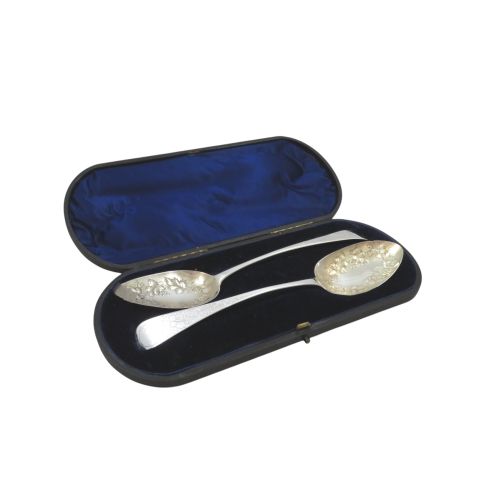
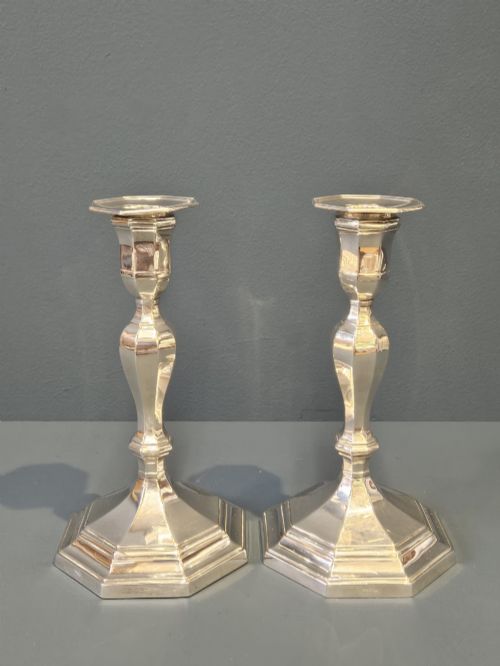
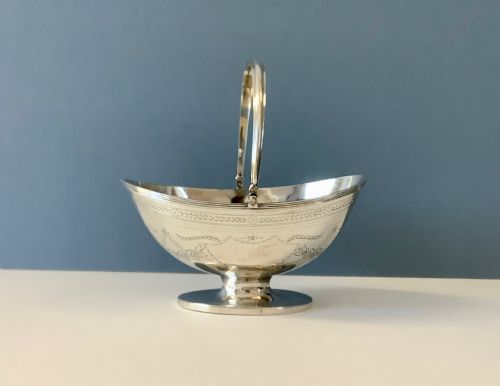
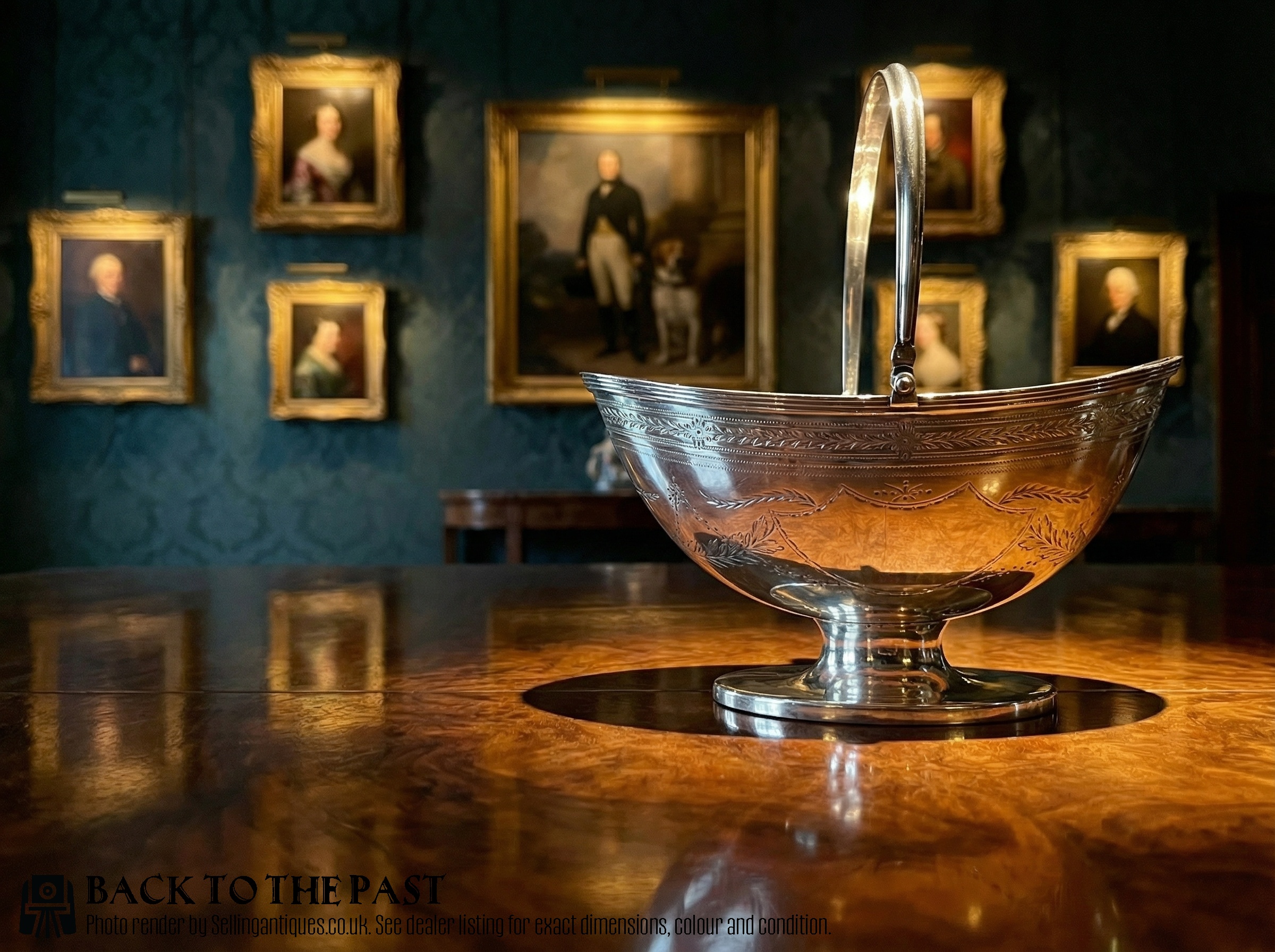
Georgian silver table decor encompasses candlesticks, serving spoons, sugar baskets and napkin rings designed to grace the dining room.
Georgian Silver Table Decor
When you search for georgian silver table decor, you encounter functional dining table accessories spanning the Georgian period alongside later revivals. Candlesticks form the most frequent sighting on this page, appearing in pairs and sets originating from the eighteenth century into the twentieth century.
Beyond lighting, the selections encompass serving spoons, napkin rings and sugar baskets in sterling silver, old Sheffield plate, paktong and silver plate. These items reflect the shifting domestic arrangements of dining tables across multiple eras, incorporating neoclassical and arts and crafts styles.
How they were made
Makers utilised sterling silver, copper fused with silver in old Sheffield plate, and paktong to shape these dining items. Metals were cast, hammered and hallmarked to meet the functional demands of the table.
Surface enrichment involved engine turned details, floral border decorations and berry spoon over-gilding. Craftspeople employed traditional silversmithing techniques to produce candlesticks, baskets and hollowware.
Berry spoons were often retrofitted decades after manufacture, with Victorian silversmiths aggressively embossing Georgian spoons with cheerful fruits.
What varies in quality
The standard of execution in chasing, casting and engraving separates standard items from superior pieces. Crispness in floral borders and engine turned patterns indicates attentive workshop practice.
The integrity of original plating on Sheffield pieces and the legibility of hallmarks provide key indicators of historical survival. Maker marks and clear silver standards distinguish distinguished commissions from mass production.
Thomas Bradbury And Sons Ltd·Guild Of Handicraft·John Cafe
The Georgian Silver Table Decor Glossary
- Old Sheffield plate
- A composite material made by fusing a thin sheet of silver to a thicker copper base. This technique preceded modern electroplating.
- Paktong
- A copper-nickel-zinc alloy originating from China, utilised in the eighteenth century for durable candlesticks. It resembles silver but possesses a distinct metallic tone.
- Berry spoon
- A serving spoon, often dating from the Georgian period, later embossed and engraved with fruit and foliage. These spoons were adapted for serving dessert.
- Sugar basket
- A tabletop container designed to hold loose sugar lumps or grains. These baskets frequently feature pierced metalwork and swing handles.
- Engine turned
- A mechanical method of ornamenting metal surfaces with precise geometric patterns. This decoration is achieved using a lathe.
Georgian Silver Table Decor: Frequently Asked Questions
What is georgian silver table decor used for?
These items served functional dining roles, from illuminating rooms with candlesticks to serving sugar and food at the table.
Napkin rings and spoons organised individual place settings and assisted with serving meals in formal households.
How do I identify paktong candlesticks?
Paktong is a heavy copper-nickel alloy that lacks the warm lustre of sterling silver. It feels substantial and exhibits a greyish-white metallic colour.
Candlesticks in this material date primarily to the eighteenth century and display crisp casting without traditional British silver hallmarks.
What is old Sheffield plate?
Old Sheffield plate involves fusing a layer of silver onto a copper core before shaping the metal into candlesticks or tableware.
Examining edges and undersides often reveals tiny lines where the underlying copper shows through the worn silver layer.
How should I care for silver table decor?
Keep silver items away from damp environments and rubber materials that accelerate tarnishing. Regular, gentle dusting preserves the surface.
Use non-abrasive silver polishes sparingly to maintain hallmarks and avoid wearing down fine engraved details.