



Antique Sterling Silver Basin
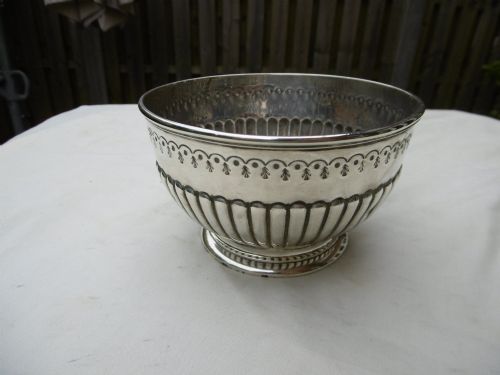
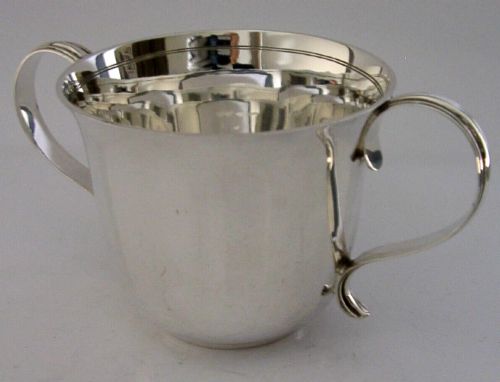
An antique sterling silver basin brings solid weight and tactile form to a table, offering deep bowls shaped for sugar, fruit or service.
Antique Sterling Silver Basin
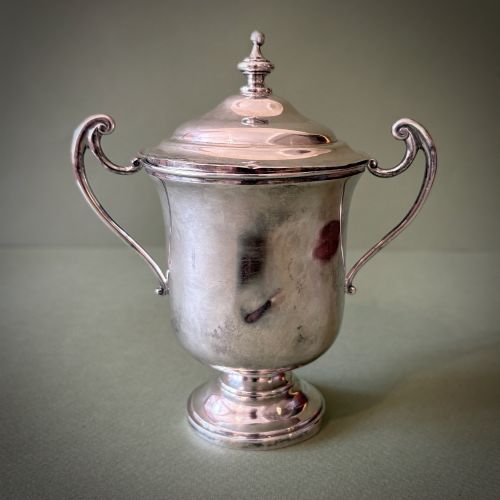
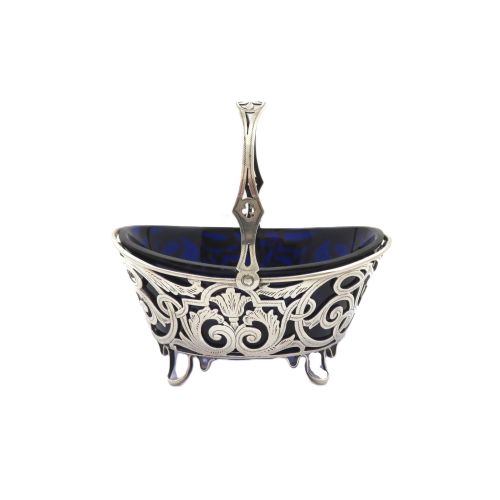
When you search for an antique sterling silver basin, you meet domestic vessels spanning Georgian, Victorian and Edwardian decades. Sugar bowls, sugar baskets with swing handles, tea caddies and footed bowls dominate the forms on this page, reflecting formal dining and tea service traditions.
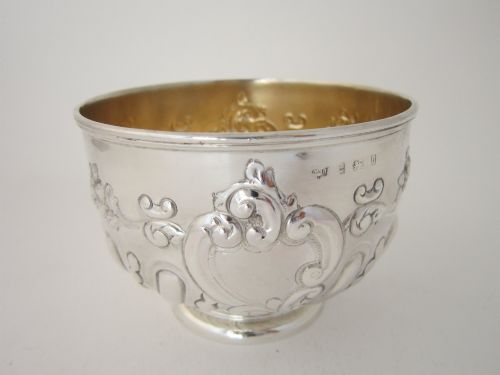
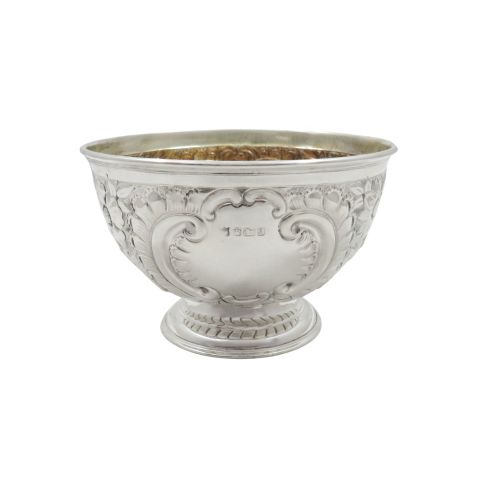
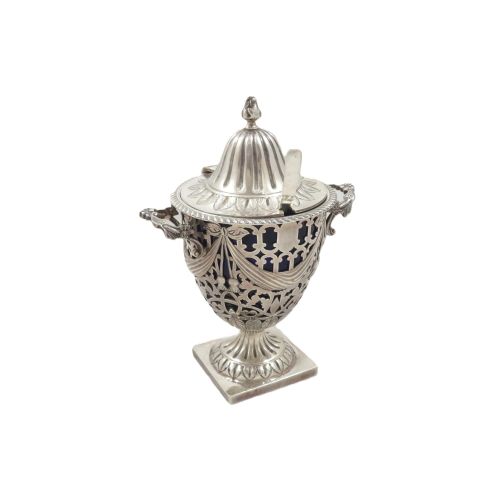
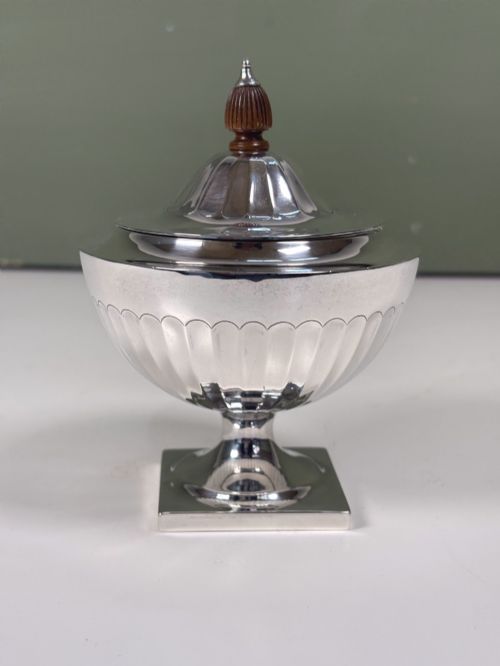
Victorian and Edwardian examples appear most frequently, often featuring pierced work, repousse decoration or pedestal feet. Pieces range from small sugar basins with sifter spoons to larger handled bowls and covered urns.
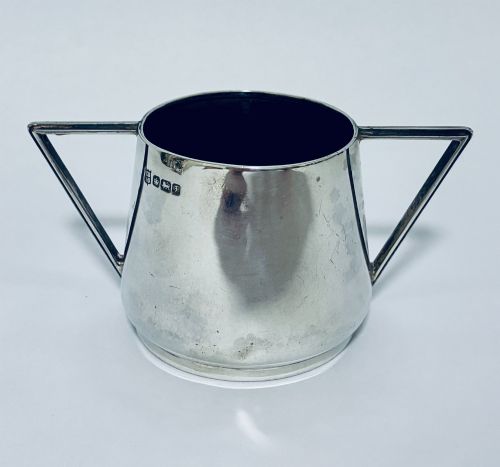
Earlier Georgian items from the eighteenth century emerge alongside twentieth-century Arts and Crafts and Art Deco interpretations. These vessels combine functional depth with decorative presence, shaped from solid silver or silver gilt.
How they were made
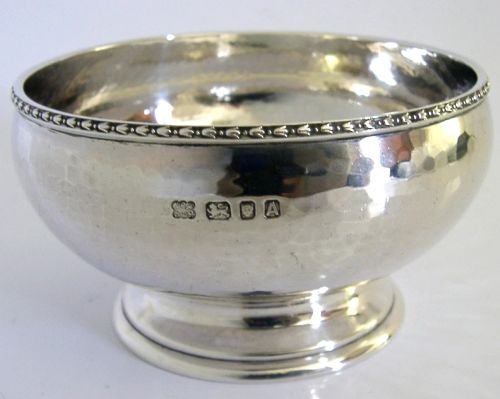
Silversmiths shaped these basins using traditional hammering, raising and casting techniques. Planished surfaces show direct hammer marks from Arts and Crafts makers, while earlier Georgian and Victorian vessels rely on smooth sheet silver or cast ornamental handles.
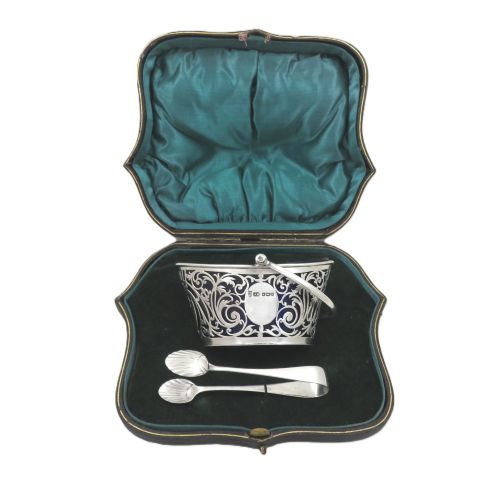
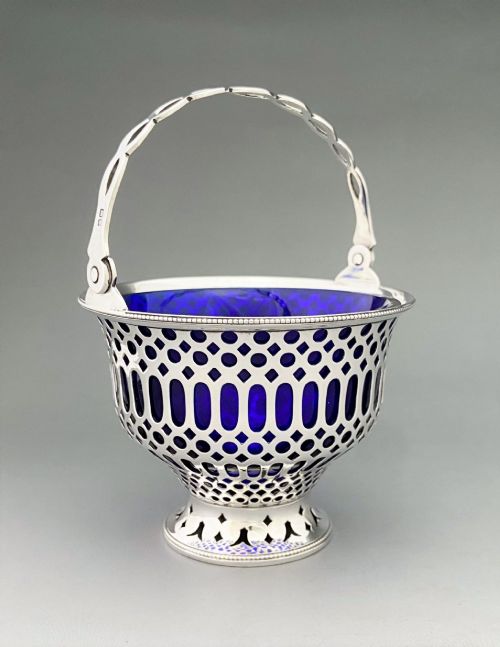
Many sugar baskets incorporate pierced galleries and swing handles, sometimes fitted with blue cobalt glass liners or silk and velvet interiors. Details like cast floral handles and repousse floral panels demonstrate skilled chasing and soldering.
Listings include sterling silver pieces spanning the Georgian, Victorian, Edwardian and Art Deco periods, alongside materials like cobalt glass and silver gilt.
What varies in quality
Quality rests on the crispness of the silversmith's work, from the depth of repousse chasing to the balance of a cast handle. Well-executed piercing maintains structural integrity while creating intricate patterns, and maker marks confirm established workshop standards.
The presence of original fitted cases, matching sifter spoons or intact glass liners adds completeness. Superior examples display substantial metal weight and clean maker stamps without heavy wear to the underlying design.
Peter and William Bateman·Mappin and Webb·Paul Storr·John Kincard·George Fox·Walter Brind·Robert Hennel·S Kirk and Son Company
The Antique Sterling Silver Basin Glossary
- Repousse
- A metalworking technique where the artisan hammers the design from the reverse side to form raised relief on the front. This method creates tactile floral and scroll motifs on Victorian vessels.
- Pierced work
- Openwork patterns cut through the silver wall to lighten the structure and create decorative borders. This technique often appears on swing-handled sugar baskets.
- Silver gilt
- Sterling silver coated with a thin layer of gold on the interior or exterior surface. This finish protects the metal and adds a rich two-tone appearance.
- Planished
- A surface finish showing flattened hammer marks left intentionally by the silversmith. Arts and Crafts makers utilised this technique to display hand craftsmanship.
- Caddy
- A small container originally designed for storing loose tea leaves before blending. These vessels often feature fitted lids and secure locks.
Antique Sterling Silver Basin: Frequently Asked Questions
How were silver basins used?
These basins served primarily at the tea table to hold loose sugar lumps, loose tea or soft fruits. Wealthy households utilised them during formal service alongside cream jugs and sifter spoons.
Over time, many adapted to general decorative display or held small items on sideboards and dressing tables.
How do I clean sterling silver?
Wash silver gently in warm water with a mild liquid soap, then dry thoroughly with a soft microfibre cloth. Avoid harsh chemical dips that strip away desirable patination built up over centuries.
Store pieces away from rubber and damp environments to prevent tarnishing and preserve the polished surface.
What is a sugar basket?
A sugar basket is an open or lidded basin equipped with a swing handle, designed to hold sugar lumps on the tea table. They frequently include removable blue glass liners to protect the silver from moisture.
Silversmiths often paired these baskets with matching sifter spoons for dusting powdered or lump sugar.
How do I date a silver basin?
British pieces feature hallmarks stamped directly onto the metal, including a city mark, a standard mark and a date letter code. Consulting official hallmarking charts reveals the exact year of assay and the workshop responsible.
Stylistic cues such as Georgian neoclassical lines or Edwardian pierced decoration also point toward specific decades of manufacture.