



Eighteenth Century Silver
Eighteenth century silver combines functional domestic utility with exquisite Georgian craftsmanship, offering collectors tactile links to the domestic routines of the period.
What eighteenth century silver is
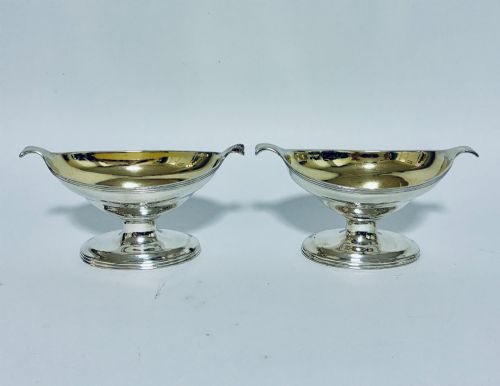
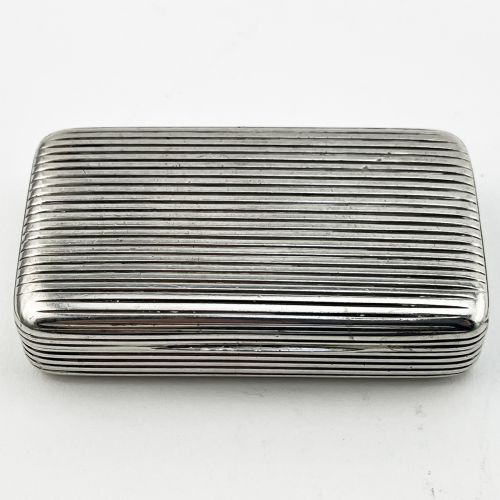
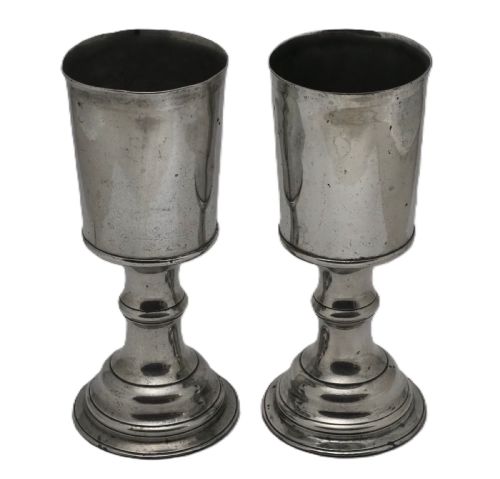
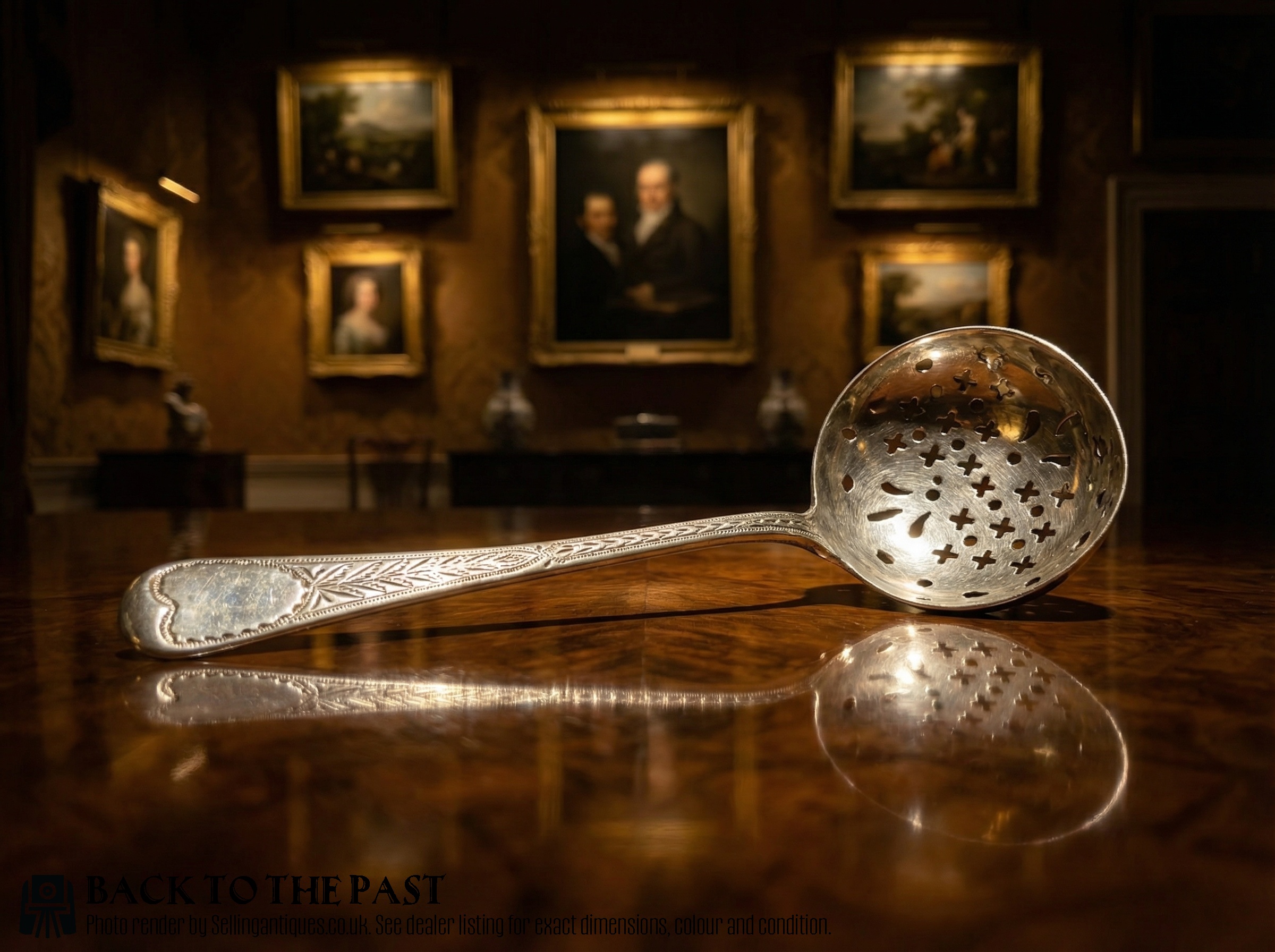
These eighteenth century silver pieces comprise domestic items such as salt boats, cream jugs, sugar sifters, spoons, tea caddies, and cups fashioned during the Georgian era. Buyers encounter forms ranging from paired salt cellars to bright cut serving spoons, reflecting the refined dining habits of the period.
The objects stem from English and Irish workshops, demonstrating the regional variations in hollowware and flatware production. Surviving examples include both sterling silver items and those featuring gilt finishes.
The selection on this page centres predominantly on Georgian salt cellars, cream jugs, silver flatware, and spoons. Each surviving object bears the distinct stylistic traits of eighteenth century silversmithing.
How they were made
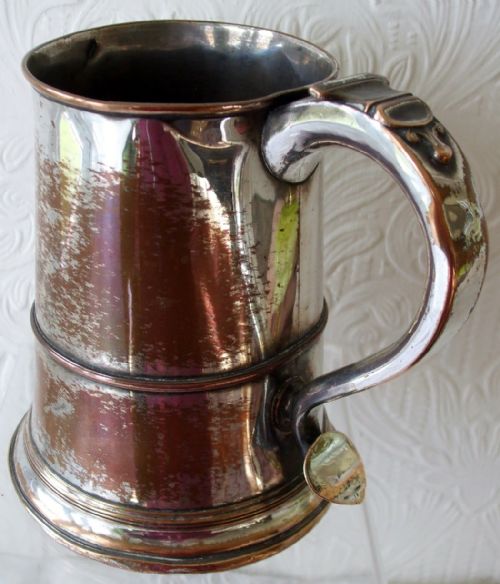
Silversmiths utilised sterling silver and gilt to shape vessels and utensils, employing traditional hammering and casting techniques. Horn was occasionally incorporated alongside sterling silver in composite drinking vessels.
Decoration relied on hand engraving techniques such as bright cutting, which produced faceted geometric patterns across the surface of jugs and teaspoons. Surface finishes range from polished sterling silver to select areas of gilding.
Listings feature sterling silver and gilt materials across Georgian periods, encompassing hollowware forms like tea caddies alongside flatware.
What varies in quality
The refinement of hand-cut decoration sets finer items apart, particularly the crispness of bright cut engraving on jugs and spoons. Subtlety of form and balance in domestic hollowware distinguish superior Georgian pieces from standard utilitarian gear.
The integration of mixed materials, such as horn combined with sterling silver on drinking cups, demonstrates higher manufacturing ambition. Preservation of original gilding and clear hallmarks further separate exceptional survivals from heavily worn examples.
The Eighteenth Century Silver Glossary
- Bright cut
- An engraving technique utilising faceted V-shaped cuts to create glittering geometric patterns on silver surfaces. It became particularly popular on tea wares and flatware during the Georgian period.
- Sterling silver
- An alloy consisting of silver and other metals, traditionally copper, standardised for durability and purity in British plate. This material forms the primary substance of eighteenth century domestic items.
- Gilt
- Silver objects that have been coated with a thin layer of gold, often applied to the interior bowls of spoons or salt cellars. This technique protected the silver from acidic foodstuffs.
- Hollowware
- Tableware items such as jugs, sugar sifters, tea caddies, and cups that possess volume rather than being flat. Eighteenth century silversmiths raised these vessels from flat sheets of metal.
Frequently Asked Questions
How were eighteenth century silver spoons used?
These spoons served various dining and beverage functions, including serving food, stirring tea, or sifting sugar. Sets of teaspoons and larger serving spoons formed essential parts of wealthy households.
The inclusion of bright cut engraving or Dublin hallmarks indicates their specific regional origin and period style. They were handled daily and passed down through generations.
What is a bright cut jug?
A bright cut jug is a Georgian container used for cream or water, decorated with hand-cut geometric patterns. The engraving reflects light from multiple angles to create a sparkling surface effect.
Silversmiths used specialised gravers to carve these precise patterns directly into the sterling silver. Such pieces represent the decorative ambitions of eighteenth century metalworkers.
How do I care for eighteenth century silver?
Maintaining these objects requires gentle cleaning using non-abrasive cloths and traditional silver care products. Avoiding harsh chemicals preserves the integrity of the antique metal and any surviving gilding.
Displaying pieces away from direct sunlight and damp environments protects composite materials like horn. Regular, careful handling prevents the accumulation of harmful tarnish without wearing down delicate hallmarks.