
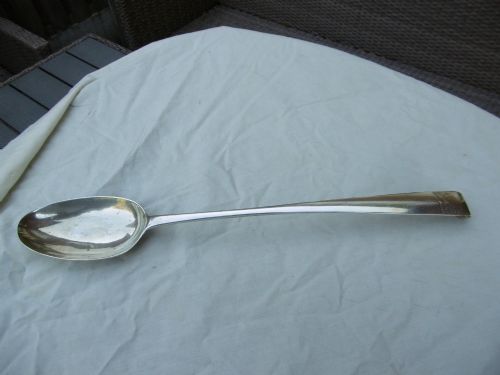


Dublin Silver Spoons
Dublin silver spoons bring distinct provincial weight and crisp hallmarking to the table, uniting centuries of Irish silverware.
Dublin Silver Spoons
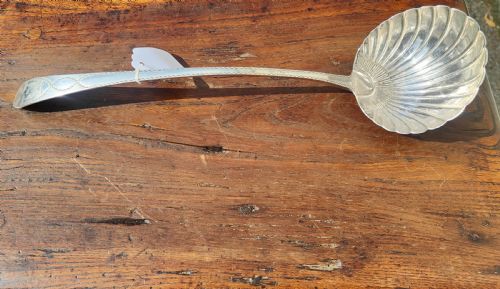
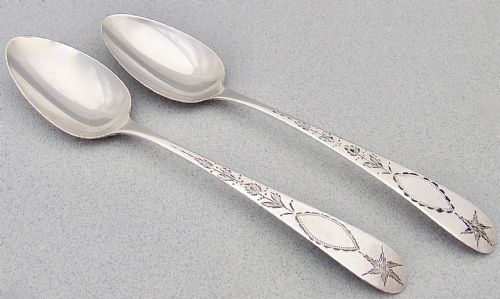
Dublin silver spoons span the eighteenth and nineteenth centuries, taking forms from small tea and condiment spoons to large soup ladles and basting spoons. These utensils emerge from Georgian, Victorian, and William IV periods, showing regional patterns shaped by local silversmiths.
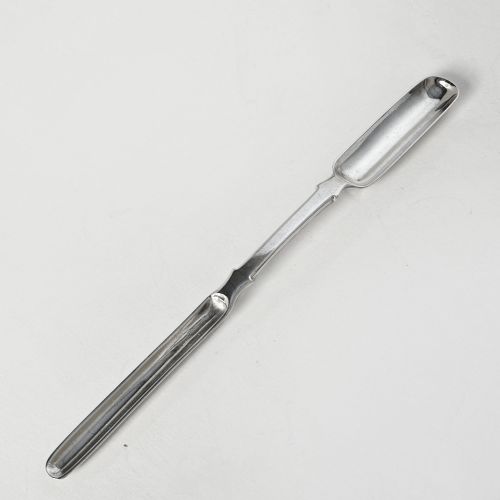
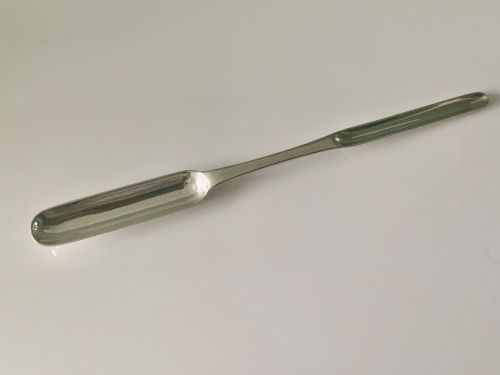
The pieces on this page lean heavily towards Georgian examples, alongside nineteenth-century marrow scoops, caddy spoons, and dessert sets. Buyers will find both individual serving utensils and paired or matched sets housed in fitted cases.
Marrow scoops and basting spoons appear alongside smaller teaspoons and condiment pieces, demonstrating the breadth of domestic silver production in Dublin. Cased presentation sets and individual heritage items both feature in the available selection.
Materials and construction
Sterling silver forms the primary substance of these pieces, beaten and shaped into sturdy flatware, ladles, and specialised scoops. Makers utilised traditional forging techniques to balance durability with fine detail.
Cases accompanying certain sets feature linings of velvet and silk, protecting the silver work inside fitted boxes. Metalwork relies on solid sterling construction, often finished with gilding on specific dessert or presentation spoons.
Listings feature sterling silver pieces spanning the eighteenth and nineteenth centuries, including Georgian and Victorian eras.
Quality variations
The standard of Dublin silver spoons rests on the clarity of the Dublin hallmarks and the crispness of any engraved crests or monograms. Heavier gauge silver provides a more substantial feel in the hand compared to lighter, more pliable domestic ware.
Execution of specialised forms, such as marrow scoops or pierced strainer spoons, demonstrates the maker's skill. Complete sets and cased pairs maintain greater collective cohesion than disparate gathered pieces.
John Pittar·John Craig·John Locker·Michael Smith·Edward Power·Samuel Neville·West and Sons
The Dublin Silver Spoons Glossary
- Hallmark
- Official stamps struck into precious metals to guarantee purity and origin. Dublin silver carries specific town marks alongside maker initials and date letters.
- Marrow scoop
- A double-ended utensil with narrow troughs designed for extracting marrow from bones. These elongated pieces form a distinct category of antique silver.
- Basting spoon
- A large spoon utilised in food preparation for pouring pan juices over meat. These substantial implements often feature engraved armorial crests.
- Caddy spoon
- A short-handled spoon created for measuring loose tea leaves from a caddy. They frequently display decorative bowls and patterned handles.
- Berry spoon
- Serving spoons featuring fruit motifs chased or embossed onto the bowl at a later date. These ornamental pieces were popular for dessert service.
Dublin Silver Spoons: Frequently Asked Questions
How do I identify Dublin silver spoons?
Check the interior or reverse for the Dublin assay office marks, which typically include a seated figure of Hibernia alongside a harp crowned. Maker initials and date letters help pinpoint the exact year of production.
Matching these stamps against historical hallmarking records confirms the origin and period of manufacture.
What were marrow scoops used for?
Marrow scoops were dining utensils designed to extract marrow from animal bones during formal meals. The dual-ended design accommodated both narrow and wide bone cavities.
Today, collectors value these items as specialised examples of Georgian and nineteenth-century silverware.
Are cased spoon sets original?
Cased sets often pair fitted velvet or silk-lined boxes with the silver spoons inside, though boxes sometimes date to retail presentation rather than initial manufacture.
Examine the interior contours of the case to see if the spoons fit snugly within the designated indentations.
How should I care for antique silver?
Clean sterling silver gently with a microfibre cloth and specialised polish only when necessary to remove tarnish. Avoid harsh abrasives that can wear down engraved crests and maker marks.
Store pieces in dry conditions, using anti-tarnish rolls or lined boxes to protect the metal from atmospheric oxidation.