




Old English Pattern
Old english pattern pieces are traditional silver tableware items and ceramics that bring classic dining heritage to the modern table.
Old English Pattern
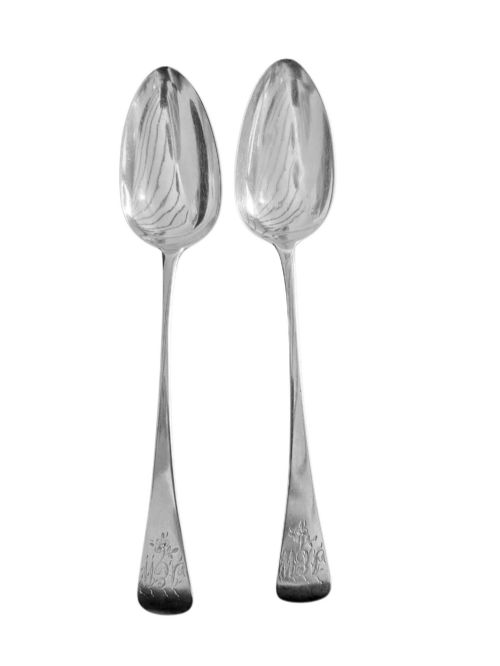
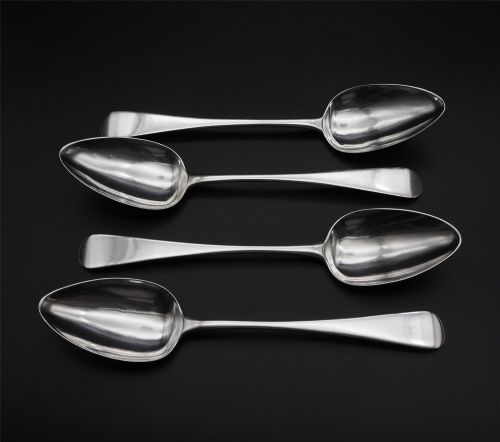
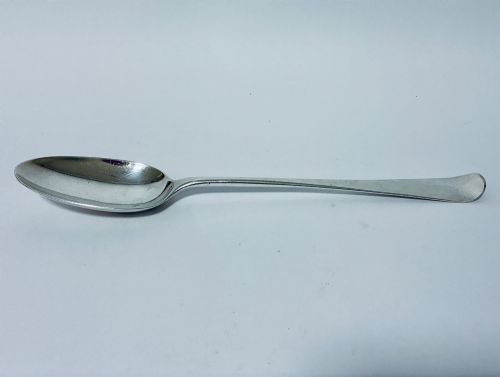
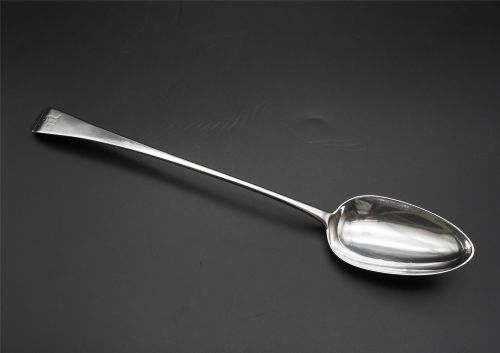
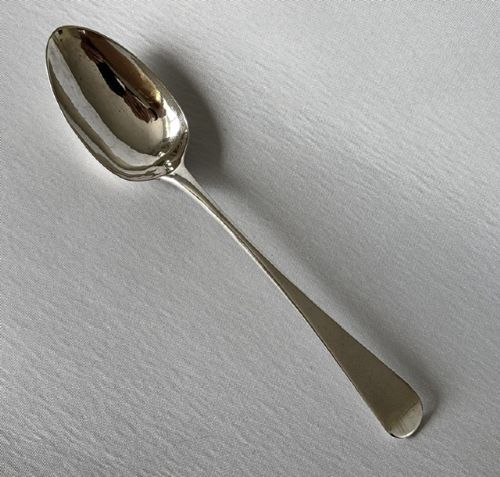
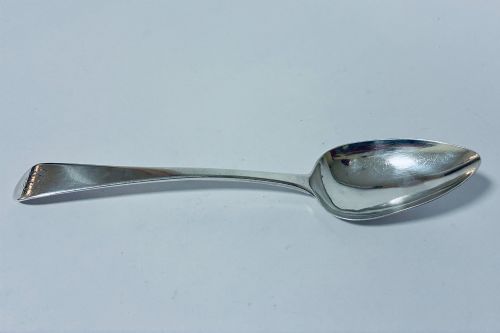
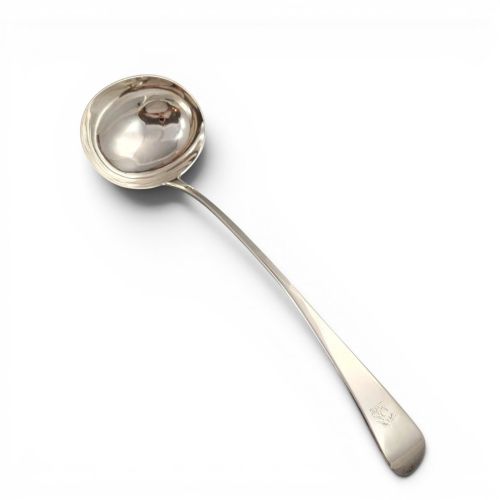
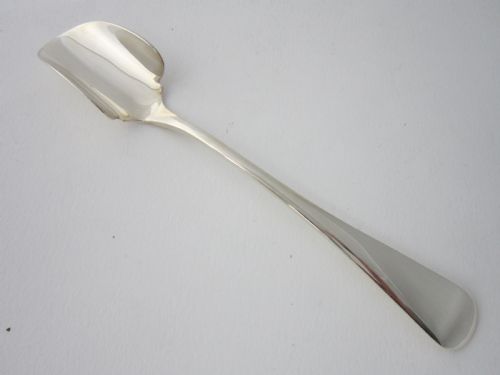
When you search for old english pattern, you encounter a selection dominated by sterling silver flatware and cutlery alongside select porcelain and ironstone pottery. The flatware ranges from serving spoons and soup ladles to cheese scoops, salt spoons, and table forks forged across the Georgian, Victorian, and later periods.
Silver items frequently display the characteristic clean, tapered handle and subtle drop associated with the traditional flatware design. Alongside these metal items, ceramic pieces appear from factories like Derby and New Hall, demonstrating that the term occasionally spans decorative porcelain and transferware pottery.
How they were made
The metal objects rely on solid sterling silver, shaped through hammering, casting, and hand-finishing by provincial and metropolitan silversmiths. Many pieces bear clear hallmarks indicating their assay office of origin, such as London, York, or Edinburgh, alongside makers' marks.
The ceramic counterparts utilise porcelain, ironstone china, and earthenware bodies decorated with hand-painting, gilding, or blue and white transfer printing. These diverse materials reflect the traditional craftsmanship of 18th-century and 19th-century British workshops.
A rosewood chess set hides among the silver spoons, proving that old english pattern applies beyond the dining table.
What varies in quality
Quality in these items rests on the crispness of the maker's mark, the retention of original weight in the silver bowl or handle, and the balance of the piece in the hand. Earlier Georgian examples often show deeper hallmarks and heavier gauge metal than later 20th-century equivalents.
For ceramic pieces, the clarity of the transfer print or the vibrancy of the hand-applied enamel colours distinguishes finer works. The preservation of surface detail without excessive polishing wear dictates the overall standard of surviving silver flatware.
Peter and Jonathan Bateman·Hester Bateman·Hampston and Prince·George Wintle·Emile Viner·Deakin and Francis·Robert Pringle·Josiah Williams and David Landsborough Fullerton
The Old English Pattern Glossary
- Old English pattern
- A traditional style of flatware featuring a smooth, plain stem that curves gently downwards at the terminal, popular from the late 18th century onwards.
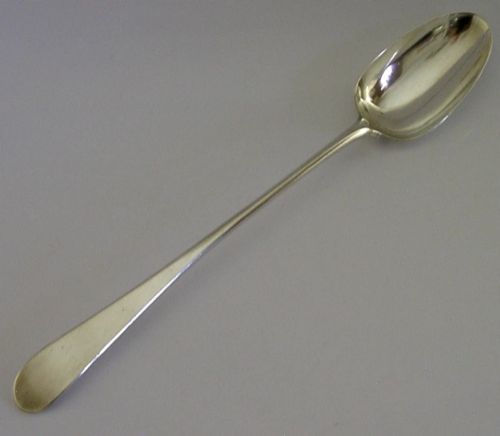
- Basting spoon
- A large kitchen or serving spoon used in traditional dining for moistening roasting meat with pan juices. These often measure significantly longer than standard tablespoons.
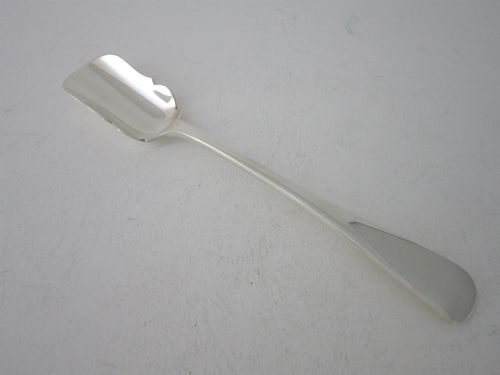
- Stilton scoop
- A specialised utensil with a half-cylindrical blade designed for digging into hard cheeses like Stilton. They frequently feature turned handles or sterling silver shafts.
- Hallmark
- A series of official stamps applied to precious metals indicating the standard of purity, the assay office, and the year of manufacture. These marks provide definitive dating evidence for silver items.
- Ironstone china
- A type of durable earthenware patented in the 19th century that bridges the gap between pottery and porcelain. It forms the body of many heavy dinner service pieces.
Old English Pattern: Frequently Asked Questions
What is old english pattern flatware?
Old english pattern flatware is a classic British cutlery design characterised by a rounded stem and a downward-curving end. It developed during the Georgian era and became a staple of formal dining tables.
The design's understated elegance allowed it to remain popular across the Victorian period and well into the 20th century. Today, collectors find these spoons, forks, and ladles in both matched sets and individual serving pieces.
How do I date silver spoons?
Dating silver spoons involves reading the stamped hallmarks located on the reverse of the stem or handle. These tiny symbols indicate the assay office, the maker, and a specific date letter.
Additional clues come from the shape of the bowl and the weight of the silver. Earlier 18th-century examples often feature more elongated bowls compared to later Victorian and Edwardian variations.
Were these pieces used daily?
Many of these items served practical functions in upper-class and middle-class British households for food preparation and dining. Basting spoons tended kitchen roasts, while ladles served soups and sauces at the table.
Over decades of use, high-quality sterling silver developed a soft patina from washing and handling. Surviving pieces show the physical evidence of generations of domestic service.
How should I clean silver spoons?
Cleaning antique silver requires mild soap, warm water, and a soft cloth to protect the metal and any engraved crests or initials. Harsh chemical dips strip away the natural ageing and can damage delicate surfaces.
Storing pieces in tarnish-resistant cloth helps maintain their appearance between uses. Regular, gentle handling keeps the metal bright without wearing down the original hallmarks.